

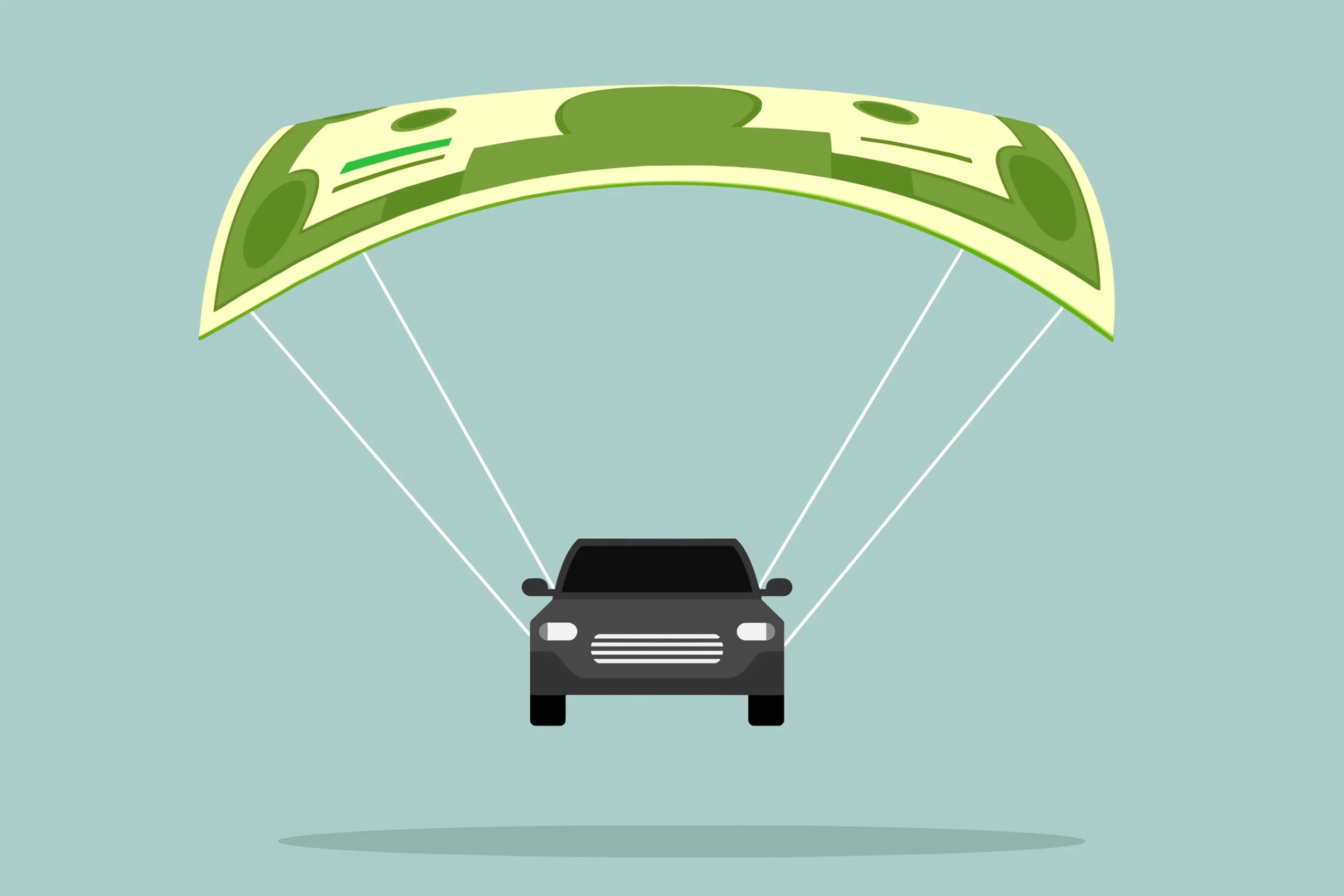
Car insurance represents a significant and often unavoidable cost associated with vehicle ownership, and recent trends indicate that these expenses are climbing rapidly. The rise in car insurance premiums is outpacing many other common financial obligations.
If you find your premium to be high, it might stem from fixed factors such as your age or geographic location. However, variables within your control—like your deductible, coverage levels, and credit score—offer opportunities for potential savings on your auto insurance expenses.
12 Strategies to Reduce Car Insurance Costs
Here are twelve methods to help lower your auto insurance premiums. Many of these strategies will require a bit of effort but can lead to substantial savings over time.
1. Seek Multiple Quotes
As with other financial services, comparing offers from various companies is one of the most effective methods to reduce car insurance costs. By requesting several quotes, you may uncover options that can offer you considerable savings by changing car insurance providers.
You can obtain quotes by engaging directly with insurance companies through their websites or by contacting them via phone. Independent agents and brokers can also assist you in gathering multiple options.
Many major insurers provide online tools to estimate potential costs based on your selected coverage limits. Keep in mind, these estimates may not reflect your final rate accurately and require personal information, such as your driver’s license number and vehicle identification number (VIN), for precise quotes.
If contacting multiple insurance carriers feels daunting, consider these two alternatives: enlisting the help of an independent agent or using an insurance comparison website to summarize multiple policies simultaneously. Additionally, reading online reviews and seeking recommendations from trusted friends or relatives can be beneficial.
2. Bundle Your Insurance Policies
Purchasing car insurance from a provider with whom you already have coverage, such as home insurance, can lead to savings. You might also explore bundling auto insurance with other types, including renters insurance, life insurance, or pet insurance.
Commonly, these discounts are referred to as multi-policy, multi-product, or multi-line discounts, depending on the insurer.
3. Raise Your Deductible
Your car insurance deductible represents the amount you pay out-of-pocket before your insurer covers the remaining claim costs. Generally, selecting a larger deductible that you can comfortably afford in the event of an accident will result in lower premiums.
Adjusting your deductible is often as simple as contacting your insurer or agent, and some providers allow you to make these changes online.
4. Review Your Coverage
There are several types of auto insurance, and reassessing your coverage options may reveal areas for potential savings. Liability insurance, which nearly all states mandate, covers damages and injuries to other parties, while collision insurance protects your vehicle after a deductible is paid. Comprehensive insurance, though optional, offers additional coverage for theft and damages from various risks.
In certain states, extra coverage may be required for personal injury protection or uninsured/underinsured motorist property damage. If you are aiming for lower car insurance rates, a liability-only policy might be a more economical choice, but it carries increased risk, especially if your vehicle’s value equals or exceeds your deductible.
5. Explore Usage-Based Insurance
With the rise of telematics—technology that allows auto insurers to adjust premiums based on driving habits—many impactful insurers now offer usage-based car insurance programs. This system combines actual mileage driven with data on driving behavior to help determine premiums.
Participating in telematics often provides immediate discounts or monetary rewards during initial trials. Over time, customers may experience ongoing savings through usage-based insurance programs, provided they drive responsibly. However, some critics caution that these programs could invade privacy and potentially end up increasing premiums for risky drivers.
6. Enhance Your Credit Score
While it might not seem related, your credit score can substantially influence your car insurance rates. Industry experts such as the Insurance Information Institute suggest that an individual’s financial management can be indicative of their likelihood to file claims. Thus, lower credit scores often correlate with higher premiums.
While some insurers base rates on demographic data and driving records without factoring in credit scores, others do. Improving your score may take time, but as you enhance your credit history, you may eventually see a reduction in your insurance rates.
7. Utilize Anti-Theft Discounts
Some insurance companies offer discounts for vehicles equipped with anti-theft systems. Although the savings may be modest, certain insurers are still willing to provide meaningful reductions for these features, with participants in programs like Geico claiming discounts of up to 23% on comprehensive coverage.
If your vehicle is older and lacks these features, inquire about cost-effective installations that may qualify you for a discount.
8. Maintain Safe Driving Habits
A history of accidents and traffic citations can lead to higher premiums. By practicing safe driving, you can prevent incidents that would negatively impact your record and, in turn, your insurance rates.
9. Complete a Defensive Driving Course
Inquire with your insurer about potential discounts available for completing an accredited defensive driving course. Each state has unique regulations regarding these courses, so confirm that your training meets your insurer’s criteria and that it will translate into savings.
Completing such a course may also help you dismiss recent traffic violations or reduce points on your license.
10. Consider a Smaller, More Affordable Vehicle
If you are in the market for a new car, consider the associated insurance costs as a significant factor in your choice. Premiums fluctuate based on the vehicle’s size, type, and claim history. Typically, insuring larger luxury vehicles incurs higher charges than smaller and more economical counterparts, as they are generally more expensive to replace.
11. Take Advantage of Pay-in-Full Discounts
Many of the larger auto insurance companies offer discounts for customers who pay their premiums in full for six or twelve months, rather than on a monthly schedule. This could result in savings of 5%, 10%, or even more on your overall premiums.
12. Include Family Members on Your Policy
New drivers, like teenagers, can be added to existing family insurance plans, leading to increased costs due to the higher risk associated with those drivers. However, it is wise to search for available discounts for younger drivers to help offset the additional expenses.
Potential savings include multi-car discounts for families and good student discounts for those who maintain a particular GPA. Informing your insurer if a young driver is away at college and not using a vehicle can further reduce rates.
Current Car Insurance Costs
Insurance costs vary widely depending on various factors, including your location, the vehicle type, and your driving history. In 2023, car insurance prices surged more rapidly than any other major expenditure tracked by the Consumer Price Index (CPI).
When to Discuss Cost-Saving Measures
You have the right to approach your insurance agent or broker at any time to discuss potential cost-reducing strategies. There is no need to wait until your policy is up for renewal.
If you have improved your driving record or credit score, inquire about your eligibility for a lowered premium. During each renewal period, review how your premium is changing, and if it has increased, consider negotiations or switching to another provider to cancel your current policy.
It is advisable to compare insurance options approximately once a year.
Conclusion on Reducing Car Insurance Costs
Here is a concise overview of effective strategies to lower your car insurance payments:
- Compare different carriers as they employ varied pricing algorithms.
- Consider bundling policies with the same insurer, like combining auto and home insurance.
- Opt for a higher deductible if it is within your financial means, as that directly reduces your premium.
- Participate in usage-based insurance if you demonstrate safe driving behavior and low mileage.
- Improving your credit can lead to a lower rate, depending on state regulations.
- Practice safe driving, as it is the most reliable way to decrease your insurance costs.
- Shifting to a more compact vehicle usually lowers insurance costs due to the lower replacement value.
FAQs About Car Insurance Premiums
Why do car insurance premiums differ from one person to another?
The variation in insurance rates largely depends on your risk level, which is influenced by factors such as driving history, age, experience, and yearly mileage. Additionally, the nature of your vehicle, chosen policy options, and potential discounts can also significantly affect your rate.
How much can I save by bundling my insurance policies?
Potential savings from bundling depend on various factors, including the insurance types combined, your location, and the specific insurer. Some companies report discounts of up to 25%. However, always evaluate current pricing to ensure it makes financial sense to bundle.
How much can I save by increasing my deductible?
If your current deductible is set at a low threshold, raising it could result in savings of $250 or more for a six-month period. Assess your financial readiness to handle a higher deductible in the event of a claim.
