OpenAI acquires TBPN in a move that marks the AI leader’s first purchase of a media company. As a result, this deal is drawing intense scrutiny across the technology and media landscape. The Technology Business Programming Network will now report directly to Chris Lehane, OpenAI’s chief global affairs officer. Furthermore, the announcement landed just days after OpenAI revealed its record-setting $122 billion funding round at an $852 billion valuation, according to Axios. This timing raises important questions about how the world’s most valuable AI company plans to shape the conversation around artificial intelligence.
So what does this mean for the broader tech industry? The deal signals a new era where AI companies are no longer content to build products behind the scenes. Instead, they want to own the platforms where the narrative around their technology gets shaped. In many ways, the fact that OpenAI acquires TBPN mirrors a century-old playbook. CNN reported that the acquisition echoes RCA’s creation of NBC in 1926 to sell more radios.
Inside TBPN’s Rapid Rise to Influence
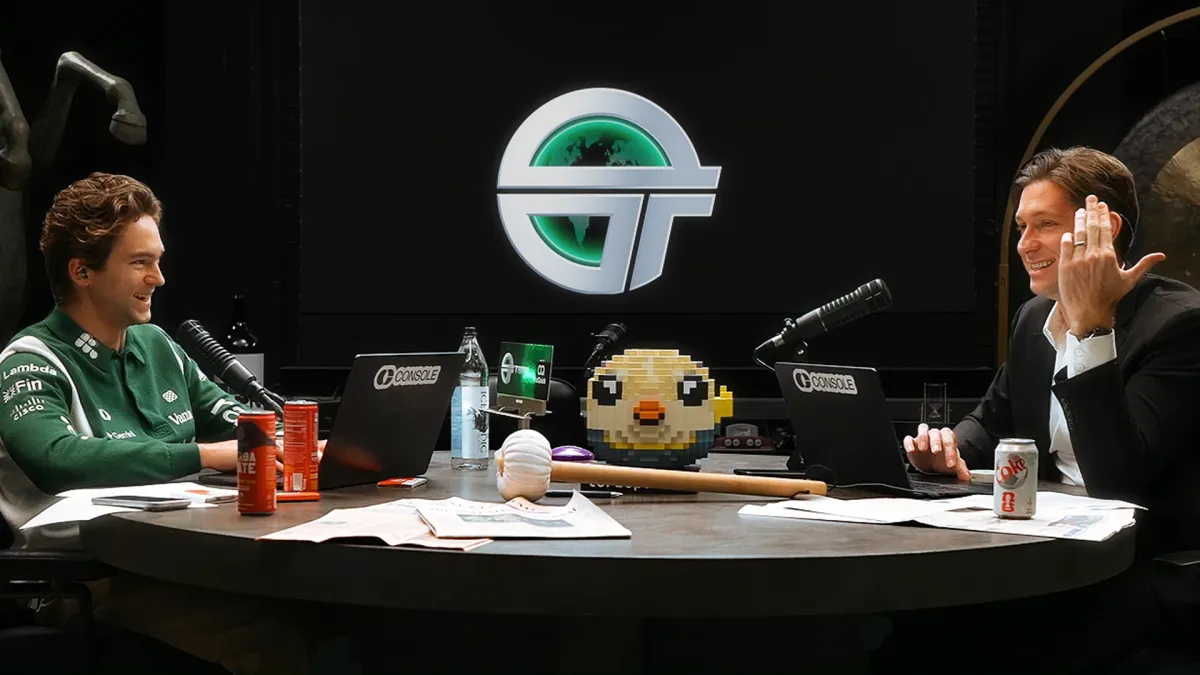
Before OpenAI acquires TBPN, the show had already carved out a unique position within Silicon Valley. Hosted by former tech founders John Coogan and Jordi Hays, TBPN broadcasts a three-hour live show every weekday on YouTube, X, and LinkedIn. Consequently, it became the go-to destination for tech leaders wanting to speak candidly about the news of the day.
The program covers technology, business, AI, and defense with a style that many have compared to a “SportsCenter” for the tech sector. More importantly, the show’s guest list reads like a who’s who of technology leadership. Figures such as Mark Zuckerberg, Satya Nadella, Marc Benioff, and Sam Altman himself have all appeared on the program. As a result, TBPN punches well above its weight relative to its modest subscriber count of fewer than 60,000 on YouTube.
What makes this even more notable is the show’s financial trajectory. According to CNBC, TBPN generated roughly $5 million in advertising revenue in 2025 and was profitable with no outside investors. The company hired former Postmates and HQ Trivia executive Dylan Abruscato as president to accelerate growth. Therefore, projected revenue for 2026 was already on track to exceed $30 million before the acquisition closed. This kind of financial momentum, combined with insider influence, made TBPN a compelling target.
Why OpenAI Acquires TBPN Now
The strategic rationale behind the deal becomes clearer when you consider OpenAI’s broader communications challenges. For over a year, the company has struggled with its public image. Meanwhile, the chief communications officer role at OpenAI has remained vacant since Hannah Wong departed earlier this year. Fortune noted that the TBPN acquisition was internally championed by Fidji Simo, OpenAI’s CEO of applications, who has been overseeing communications.
In her internal memo, Simo explained that OpenAI is not a typical company and that the standard communications playbook does not apply. As she put it, the responsibility that comes with building artificial general intelligence demands a space for constructive conversation about the changes AI creates. Accordingly, bringing TBPN in-house gives OpenAI a direct channel to reach founders, investors, and tech workers who are its core audience.
The timing of this purchase also aligns with a broader AI industry trend toward political and media engagement. Companies across the sector are realizing that shaping public perception is just as important as building better models. In this context, OpenAI acquires TBPN not merely as a media play, but as an infrastructure investment in narrative control.
Editorial Independence and the Skeptics
One of the most debated aspects of the deal centers on editorial independence. Simo promised that TBPN will continue to run its own programming, choose its own guests, and make its own editorial decisions. Similarly, TBPN president Dylan Abruscato posted on X that the show retains full control over all editorial decisions and branding. On its face, these assurances seem robust.
However, critics remain unconvinced. The Information’s Martin Peers argued that editorial independence is beside the point because TBPN was never a hard-hitting investigative outlet. It was designed as a forum for tech insiders to talk shop. Nevertheless, the perception issue is significant. When OpenAI acquires TBPN, the show inherits an unavoidable conflict of interest. After all, OpenAI is a valuable AI lab on the brink of an IPO that now owns a show which frequently discusses the company and its competitors.
Despite these concerns, Altman addressed the criticism directly. In a social media post, he wrote that he does not expect TBPN to soften its commentary on OpenAI. He also acknowledged that he will continue making decisions that invite scrutiny. For their part, Coogan and Hays framed the move as an evolution. On the first post-acquisition broadcast, Coogan emphasized that the show would remain live every day and that they would retain the freedom to say whatever they want.
OpenAI Acquires TBPN Amid a Shifting M&A Strategy
This acquisition does not exist in isolation. It fits within a broader and somewhat unconventional pattern of deal-making by OpenAI. Over the past year, the company spent $6.4 billion on Jony Ive’s nascent hardware startup, hired viral developer Peter Steinberger, acquired health-tech startup Torch, and purchased open-source tools like Astral and Promptfoo. According to Crunchbase data, OpenAI has already made six acquisitions in 2026 alone.
What connects these deals is less a coherent strategy and more a willingness to experiment. CNBC reported that analyst Daniel Newman of Futurum Group described the approach as “chasing vibes.” At the same time, Newman noted that after closing a $122 billion funding round, OpenAI can afford to place small bets for outsized attention. In this light, the move where OpenAI acquires TBPN looks like a calculated wager on influence.
Still, some academics remain puzzled. Paul Nary, an M&A professor at Wharton, told CNBC he does not fully understand how TBPN fits within the company’s core mission. On the other hand, Gartner analyst Andrew Frank suggested it could help OpenAI counter narratives that AI poses a danger to society. Both perspectives highlight the tension between OpenAI’s product ambitions and its growing need for public legitimacy.
The Bigger Picture for AI and Media Ownership
The TBPN deal raises questions that extend far beyond a single acquisition. In an era where AI is reshaping commerce, communication, and enterprise operations, the companies building these tools are increasingly seeking to own the channels through which the public learns about them.
Consider the broader pattern. Elon Musk owns X, the platform that also hosts TBPN’s live broadcasts. Jeff Bezos owns The Washington Post. Marc and Lynne Benioff purchased Time magazine for $190 million. As the SF Standard observed, the fact that OpenAI acquires TBPN suggests that the next generation of media barons might be AI labs rather than billionaire individuals.
This trend carries significant implications for how the public understands emerging technology. When the companies developing AI also control the media platforms discussing it, the potential for bias grows. Yet there is a counterargument worth weighing. TBPN, like many modern media outlets, was already dependent on advertising relationships with the very companies it covered. Transitioning to corporate ownership might simply make that dynamic more transparent.
What Happens Next After OpenAI Acquires TBPN
Looking ahead, the practical effects of this deal will take time to unfold. TBPN’s advertising business will wind down under the new structure. Instead, the show’s value to OpenAI lies in distribution, audience quality, and the communication instincts of its founding team. Simo specifically mentioned plans to leverage those instincts across OpenAI’s broader marketing efforts.
For now, the daily broadcast continues. Coogan and Hays have committed to showing up every weekday for three hours, covering the tech news cycle with the same energy that built their audience. Whether their editorial voice survives long-term under OpenAI’s umbrella remains an open question.
The bottom line is straightforward. The decision by which OpenAI acquires TBPN is less about a talk show and more about a fundamental question facing the entire technology industry. As AI becomes the most consequential technology of this generation, who gets to shape the story? And should the builders of that technology also be the narrators? These are questions that every stakeholder in the AI ecosystem will need to grapple with in the months and years ahead.