

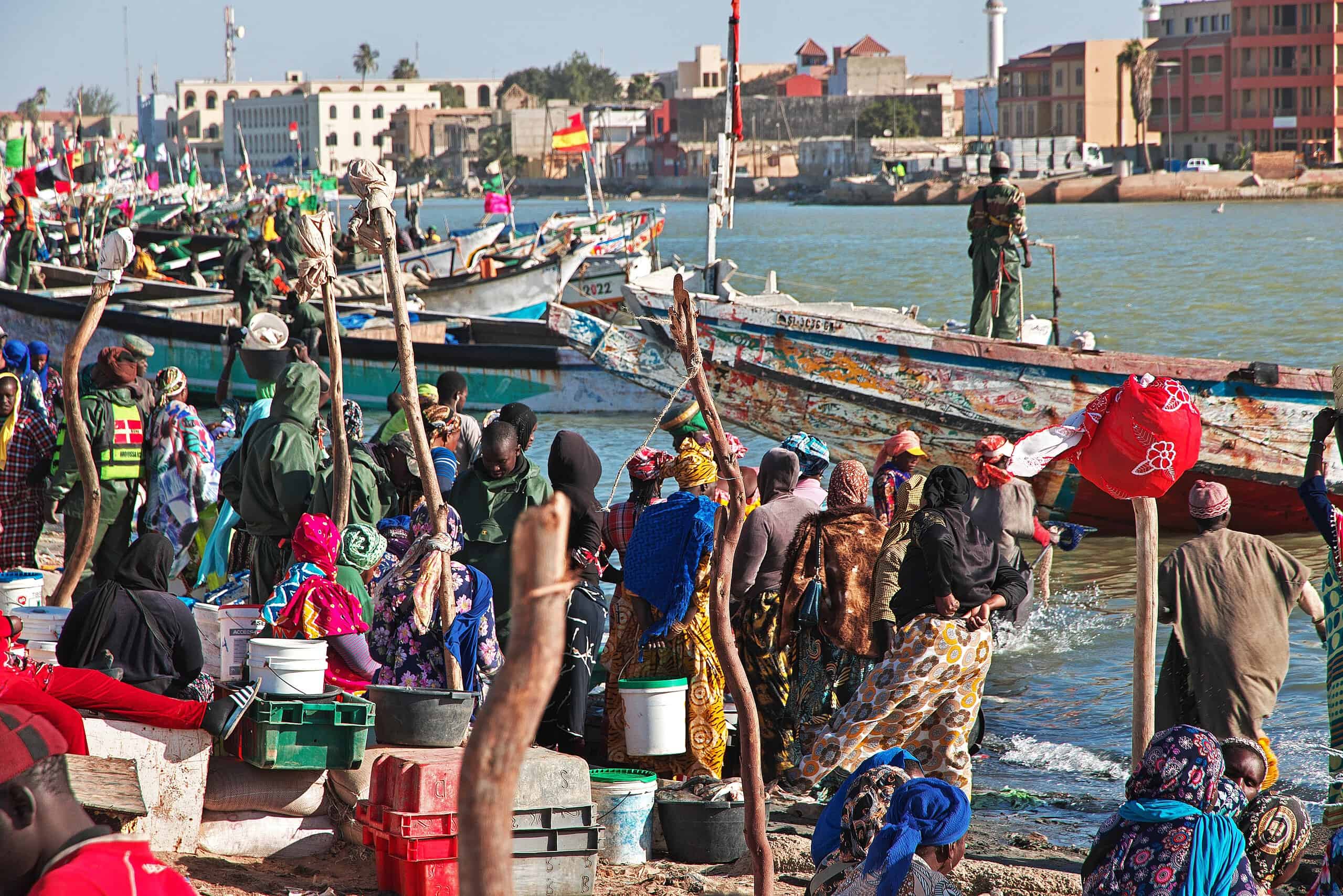
A new phase of commercial navigation is set to enhance Mali’s trade prospects, as the Senegal River is transformed into a significant 900-kilometer maritime corridor.
Is Mali Landlocked No More?
Historically restricted by geography, Mali has relied heavily on the costly and unstable road networks of its coastal neighbors since losing access to the Atlantic Ocean in the late 19th century. However, this situation may be changing.
The official launch of the Saint-Louis–Ambidédi corridor took place this month. This new waterway will convert the Senegal River into a high-capacity commercial route, linking the Atlantic port city of Saint-Louis in Senegal to Ambidédi in the western Kayes region of Mali.
Overseen by the Organization for the Development of the Senegal River (OMVS) and its operational counterpart, SOGENAV, the project exemplifies successful multilateral collaboration among Mali, Senegal, Mauritania, and Guinea. With an estimated cost of $800 million, the initiative has the potential to significantly alter West Africa’s trade dynamics, reducing dependencies and fostering deeper regional connections.
Mali is poised to reap substantial benefits from this initiative.
By streamlining the flow of goods and mitigating trade barriers, the corridor is likely to boost Mali’s competitiveness in the global marketplace. The new maritime route will facilitate the transportation of key export commodities, such as cotton, agricultural products, and gold—accounting for approximately 70% of Malian exports—at potentially half the cost of current land transport. Additionally, reduced expenses for importing fuel, fertilizers, and essential goods may alleviate price pressures for the local population.
Yet, Mali’s political instability and increasing diplomatic isolation cast a shadow over these advantages. Following two coups within four years, the nation is currently under military rule, having withdrawn from the Economic Community of West African States. Ongoing conflicts with Islamist groups in various territories, postponed elections, and entrenched corruption further complicate the landscape.
Technical challenges are also significant. Ensuring a navigable channel throughout the year necessitates careful management of seasonal water-level changes, along with continuous dredging expenses. These operational requirements will demand sustained financial support and coordination among the four governments for the long term. The future of the corridor as a transformative trade route will ultimately hinge on political will, rather than just engineering considerations.