

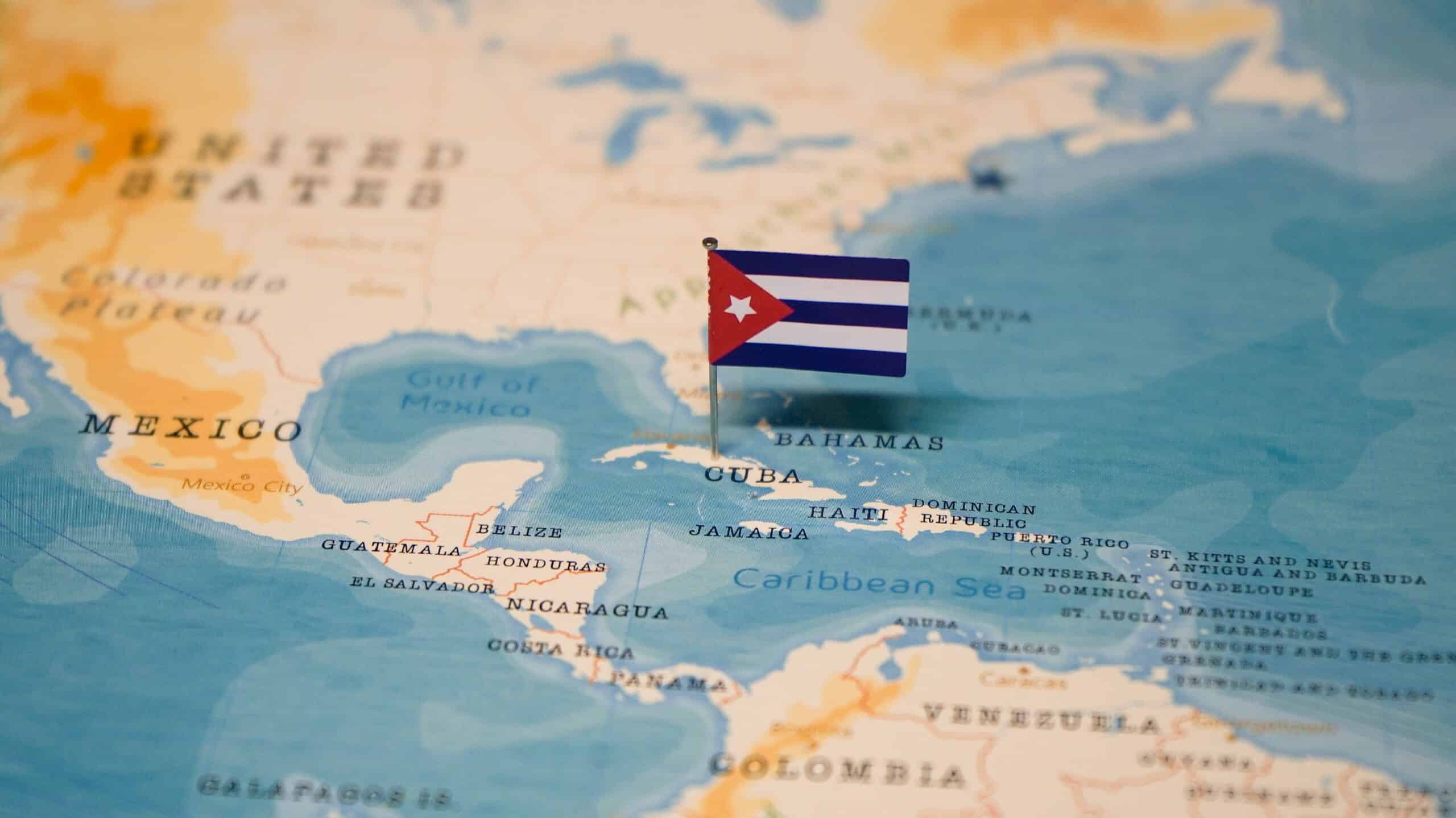
Cuba is making a strategic pivot towards its diaspora, previously viewed as rivals, as the government navigates a turbulent economic landscape. Under increasing strain from U.S. sanctions, fuel shortages, and a deteriorating state-controlled system, Havana is reaching out to private entrepreneurs, foreign investors, and especially its expatriates.
In a significant move last month, the Cuban government introduced a suite of reforms entitled “On the Association Between State and Non‑State Business Entities.” This initiative, formalized through Decree-Law 114/2025, creates a new legal framework for mixed limited liability companies (SRL mixta), enabling foreign entities, private local firms, and state-owned organizations to collaborate through joint ventures. These ventures will have the authority to manage bank accounts, set pricing and wages, and oversee their own import and export operations.
Additionally, the Cuban government has lifted long-standing restrictions on nationals living abroad. They are now permitted to open foreign-currency accounts at local financial institutions and can participate in or own businesses on the island without needing to establish permanent residency.
“There are no limitations,” stated Oscar Pérez-Oliva Fraga, Cuba’s Deputy Prime Minister and Minister of Foreign Commerce and Investment, during a recent interview on state television.
However, the reforms still see the government holding onto control over critical sectors, with the option to exclude specific endeavors. Furthermore, the U.S. trade embargo continues to hinder most dollar-based transactions, only easing if Congress decides to lift it entirely.
This policy shift marks a striking turnaround for a government that historically regarded the private sector as a threat and viewed exiles as adversaries. The changes come at a time when Cuba is facing an embargo from the Trump administration that has restricted foreign fuel imports for months, resulting in postponed medical procedures and increasing power outages across the country. In response to the leadership vacuum, small to medium-sized private enterprises have emerged as key economic players, now employing around 30% of the workforce and providing essential goods and services.
It remains to be seen whether this incremental opening signifies a substantive shift in Cuba’s economic and political framework or if it is merely a temporary concession by a struggling government. For Trump, who has voiced intentions to dismantle the Cuban regime and reclaim power, any outcome short of a complete regime change may fall short of expectations.