The Escalating War for Self-Driving Vehicle Talent
Self-driving vehicle talent has become the most aggressively contested resource in the technology sector. According to TechCrunch Mobility, base salaries for these specialized roles now range from $300,000 to $500,000, and that figure excludes equity compensation and additional benefits. What started as a competitive hiring landscape seven years ago has transformed into what one autonomous vehicle founder once described as a knife fight against industry giants like Waymo.
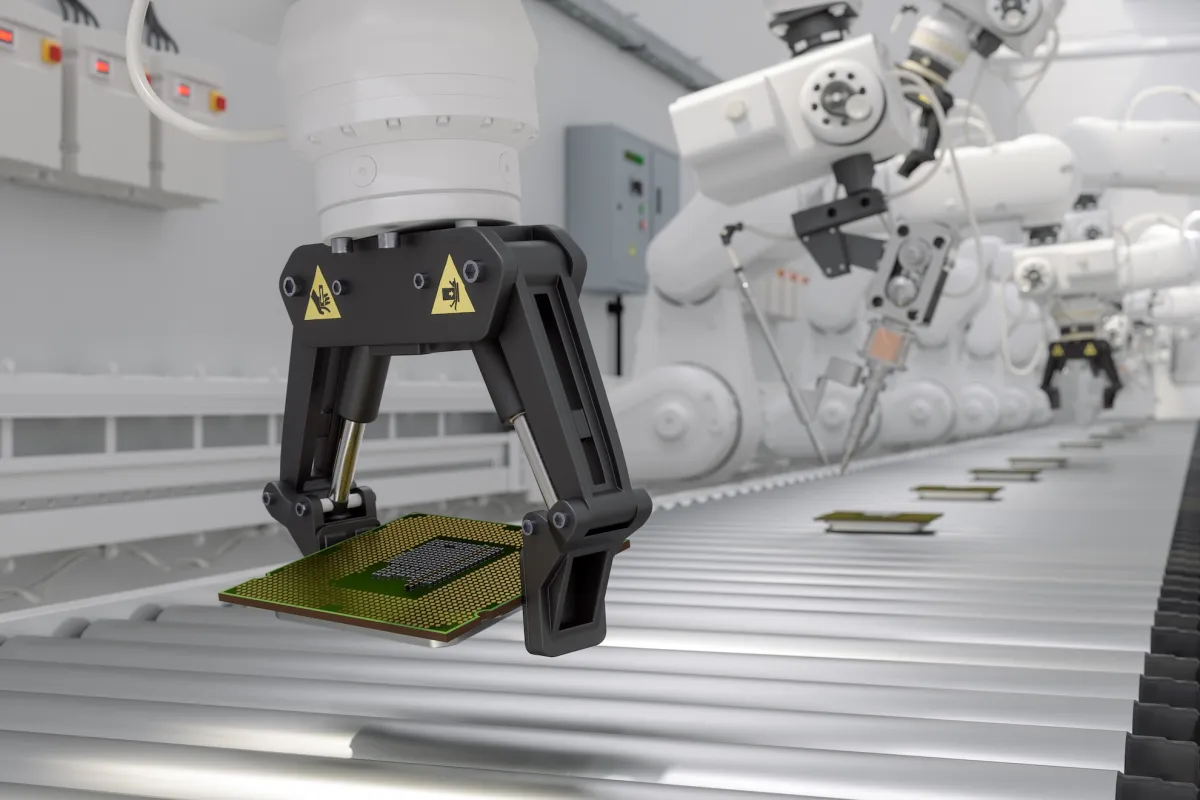
The roots of this salary explosion trace back to a fundamental industry shift. Companies are no longer focused exclusively on building better robotaxis or autonomous trucks. Instead, the entire sector has pivoted toward what investors and founders now call “physical AI.” This broader category encompasses the integration of artificial intelligence into real-world hardware, from humanoid robots and industrial automation to construction and agricultural equipment.
Physical AI Is Redefining What Self-Driving Vehicle Talent Looks Like
As a result, the ideal candidate profile for self-driving vehicle talent has evolved dramatically. Employers want professionals who combine classical robotics expertise with deep AI knowledge. Specifically, these engineers must understand how to embed machine learning models into hardware platforms that operate in unpredictable, real-world environments. The same hybrid capabilities that power agentic AI systems in commerce and payments now apply to every physical machine that moves, lifts, or navigates.
Moreover, this hybrid skill set is extraordinarily rare. Very few training programs produce engineers who can simultaneously handle sensor fusion, motion planning, and neural network deployment across diverse hardware form factors. Consequently, companies are paying a premium that would have seemed unthinkable even three years ago.
Defense technology startups have emerged as the most aggressive recruiters of self-driving vehicle talent. Thanks to robust funding from the Department of Defense, these firms can offer compensation packages that automakers and civilian startups simply cannot match. For example, defense aviation startup Hermeus recently closed $350 million in Series C financing at a $1 billion valuation, giving the company significant resources to attract top-tier engineering talent.
How Defense Spending Is Reshaping Self-Driving Vehicle Talent Markets
Positions like applied researcher and AI enablement engineer have become particularly sought after in defense circles. Furthermore, the Department of Defense’s willingness to fund ambitious hardware programs means these roles come with job security that volatile startup environments often lack. This combination of higher pay and greater stability is pulling self-driving vehicle talent away from the autonomous mobility sector at an alarming rate.
The ripple effects are already visible across the industry. While Waymo remains largely insulated from these pressures due to its significant financial backing from Alphabet, smaller companies face a far more difficult situation. Emerging startups and traditional automakers that have invested heavily in autonomous driving programs are feeling the squeeze most intensely. The same challenge confronts AI-focused banking firms trying to recruit specialized engineers in a market where top technical talent commands extraordinary leverage.
In response, some firms must now choose between raising additional capital to fund competitive salaries or exercising greater financial discipline to survive the talent drain. Either path carries significant risk for companies that cannot afford to lose their best engineers to better-funded competitors.
Venture Capital Pours Billions Into Physical AI
On the investment side, the flow of capital into physical AI is accelerating the competition for self-driving vehicle talent even further. The Palo Alto-based venture firm Eclipse recently secured $1.3 billion in fresh capital, split between a $591 million early-stage incubation fund and a growth-stage vehicle. Eclipse partner Jiten Behl has described physical AI as the next major technological era, and the firm is already working on incubating new startups within this space.
Meanwhile, Bloomberg reported that VC investment in defense technology crossed $9 billion across 265 rounds globally last year, with corporate investors contributing an additional $2 billion. This wall of money is creating more open positions that demand self-driving vehicle talent, which only intensifies the bidding wars that are already pushing salaries to new highs.
Key Mobility Developments Fueling Demand for Self-Driving Vehicle Talent
Several recent industry milestones highlight why the demand for specialized engineers keeps growing. Waymo launched its robotaxi service in Nashville in April 2026, marking the company’s eleventh US city and partnering with Lyft for fleet management. Riders can access rides through the Waymo app within a 60-square-mile service area, with Lyft integration planned for later in the year.
At the same time, Volkswagen subsidiary MOIA America began testing autonomous microbuses in Los Angeles alongside Uber. The companies plan to scale to over 100 autonomous ID. Buzz vehicles during the testing phase, with commercial rides expected by late 2026. However, human safety operators will remain onboard initially, and MOIA does not expect to remove them until 2027. These parallel expansions underscore a simple reality: every new robotaxi market and every autonomous vehicle pilot program increases the demand for self-driving vehicle talent.
Beyond Cars: Where Self-Driving Vehicle Talent Goes Next
Beyond the automotive sector, the broader mobility and transportation ecosystem continues attracting investment that relies on overlapping skill sets. Swedish electric hydrofoil manufacturer Candela secured a historic 20-boat order from Norwegian operator Boreal, forming the largest electric ferry fleet ever commissioned. Additionally, sustainable aviation fuel pioneer Sora Fuel recently raised $14.6 million, signaling growing investor interest in clean transportation solutions.
Each of these developments draws from the same pool of engineering expertise. Whether the application involves autonomous boats, unmanned hypersonic aircraft, or zero-emission fuel systems, the foundational skills overlap significantly with self-driving vehicle talent. As AI transforms industries from banking to manufacturing, companies across every transportation vertical will continue competing for the same finite group of specialists. The firms that secure this talent first will define the next decade of mobility innovation.