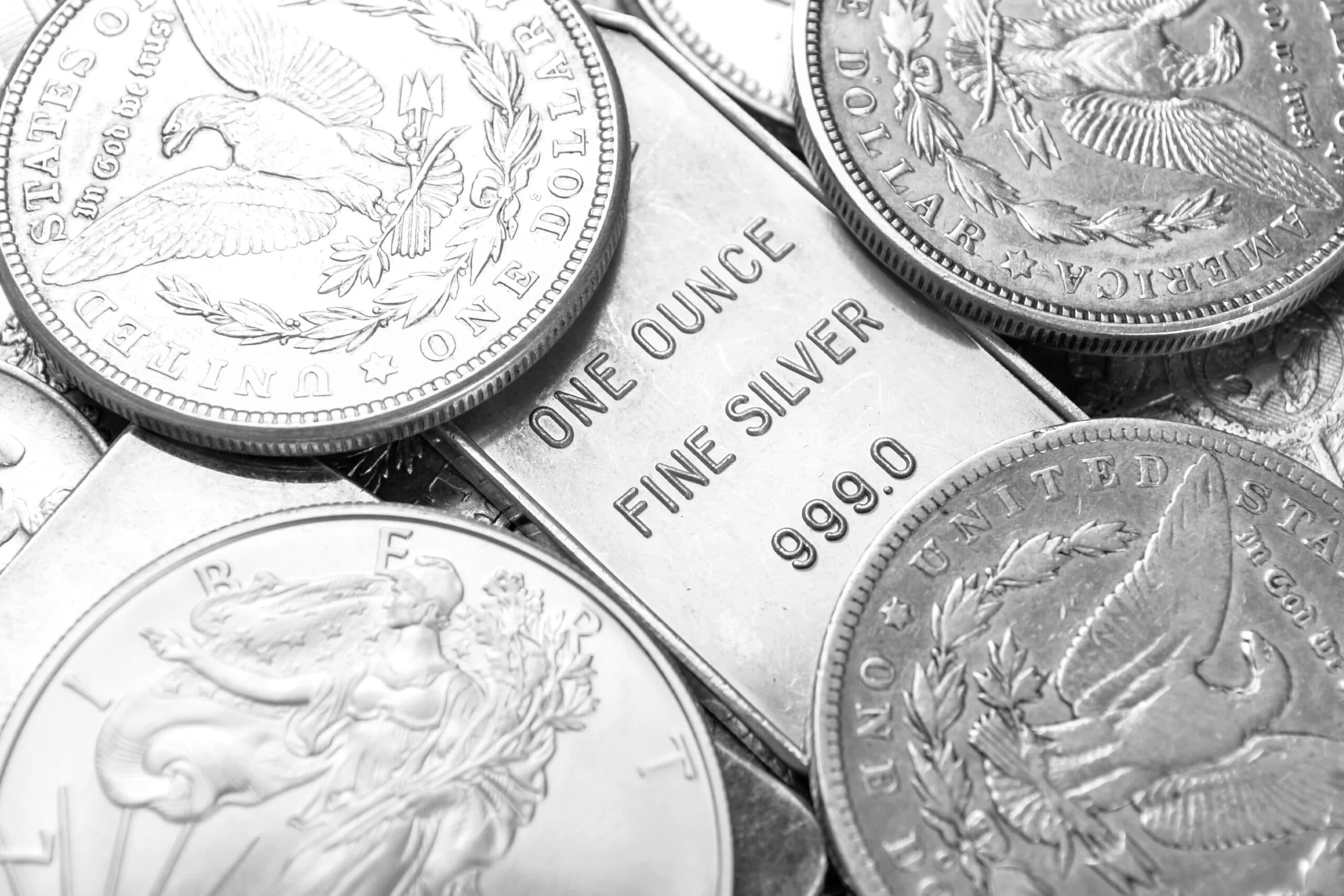
Despite gold’s status as a leading choice among precious metal investors due to its long-standing reputation as a store of value, silver emerges as a compelling alternative. Not only is silver a strategic metal with extensive industrial uses across sectors like renewable energy, aerospace, and healthcare, but it is also more affordable than gold.
This year, silver has made significant strides, outpacing gold’s price growth over threefold. In addition to acting as a currency, silver has the potential to serve as a safe-haven investment during periods of stock market turmoil while also providing a hedge against inflation. Investors interested in diversifying their portfolios with this precious metal can explore various options, including silver mining stocks and silver-backed exchange-traded funds (ETFs).
Investment Options in Silver
Prospective investors in silver should assess their financial objectives, time horizons, and risk tolerance to determine the most advantageous investment approach. Those uncertain about their choices may consider consulting a fiduciary financial advisor, who can provide insight into precious metals investment alongside other asset classes.
Physical Silver Bullion
Purchasing physical silver bullion—such as bars, coins, and rounds—represents one of the most direct ways to invest in silver. Investors may choose to complement their paper asset portfolios with these tangible investments, though it is essential to consider unique challenges such as storage requirements and liquidity issues.
Acquiring Physical Silver
To invest in silver bullion, it is crucial to ensure a purity level of at least 99.9%. Available from various sources, including online brokers, local dealers, pawn shops, and jewelry retailers, prices will often reflect both spot prices and additional premiums based on rarity and condition. Prospective buyers should familiarize themselves with the current market valuations before making a purchase.
Each method of acquiring silver comes with its own set of advantages and drawbacks. Online platforms typically offer extensive selections and secure purchasing, though they may impose varying markups. Conversely, local coin shops allow immediate acquisition but may have limited inventory catering primarily to local markets.
Investing in Silver Mining Stocks
For those uninterested in storing physical silver, investing in mining company stocks may be a more suitable alternative. Many firms engaged in silver extraction also operate within the broader industrial metals sector, allowing investors to leverage silver investments without owning the metal itself.
Entering the Silver Stock Market
Identifying stocks from companies specializing in silver extraction may require diligent research, as many miners diversify their operations with other metals. Investors can utilize stock trading platforms or brokers to buy shares, including in precious metals streaming firms that finance mining operations.
Silver ETFs
Exchange-traded funds (ETFs) provide another avenue for silver investment. These funds may hold assets backed by silver, offering exposure to price fluctuations without the need to manage physical storage. Notably, some ETFs, such as the iShares Silver Trust, contain actual silver bullion, while others invest in stocks of silver mining companies.
How to Invest in Silver ETFs
Acquiring shares of silver ETFs can be accomplished through standard brokerage accounts, with numerous resources available for researching individual fund performance. Investors should be aware that while these funds offer liquid options without the need for physical storage, they may lack dividends and could involve higher expense ratios than other ETFs.
Advantages of Silver Investment
Investing in silver can appeal to those seeking alternative asset classes as it serves as a hedge against inflation and fluctuating interest rates while aiding in portfolio diversification. The precious metal’s appeal also stems from its status as a vital commodity across various industries.
Preservation of Wealth
Silver is viewed as a reliable store of value, often sought during inflationary periods. Certain silver assets can even be included in retirement accounts, contributing to the preservation of long-term savings.
Safe-Haven Investment
Silver frequently experiences price movements that are inversely related to stock market trends. During economic downturns, such as those prompted by recessions or global crises, silver may retain or increase its value as investors seek stability.
Diversifying Your Portfolio
The wide-ranging applications of silver—from medical equipment to solar technology—underscore its capacity to diversify investment portfolios. Incorporating silver can aid in mitigating risks associated with declines in other asset categories.
Drawbacks of Silver Investment
Absence of Income Generation
Unlike stocks that yield dividends, silver does not produce income. Consequently, any profit derived from silver materializes only upon sale, lacking the compounding advantages typically associated with dividends or interest-bearing investments.
Price Volatility
Although silver is often employed to hedge against stock volatility, its price can be subject to significant fluctuations in the short term. Potential investors should approach silver as a long-term investment strategy to bypass the risks of selling during downturns.
Storage and Insurance Costs
Physical silver investment involves handling larger, risk-prone assets. As a result, those opting for physical silver must account for costs associated with secure storage and insurance to protect against theft.
Evaluating Silver as an Investment
Silver has demonstrated robust performance in recent periods; however, it still remains undervalued in comparison to historical highs. Evaluating whether silver aligns with individual financial goals and timelines is crucial. Investors are encouraged to conduct comprehensive research and seek unbiased information from credible sources, as opposed to relying exclusively on sellers of silver products.
Frequently Asked Questions About Silver Investment
Is investing in silver better than gold? While both are categorized as precious metals, silver’s value is influenced more by industrial demand than speculation, making them distinct despite their similarities.
How much should I invest in silver? Financial advisors generally recommend allocating no more than 5% to 10% of your overall portfolio to precious metals, emphasizing the importance of diversified investments.
What is the minimum investment required for silver? Purchasing physical silver depends on current market prices, while investments in stocks or ETFs can begin with much smaller amounts, often as low as $1.
When is the optimal time to invest in silver? Experts generally advise against timing the market; instead, methods such as dollar-cost averaging may help mitigate risks associated with price fluctuations.
Conclusion
Silver stands out as a favored choice for investors looking to diversify their portfolios while seeking wealth preservation and inflation hedging. Recognizing the intricacies and costs associated with physical silver investment, alternatives such as mining stocks and ETFs offer additional pathways into the market. Reconciling individual financial circumstances with informed advice is essential before venturing into silver investments.