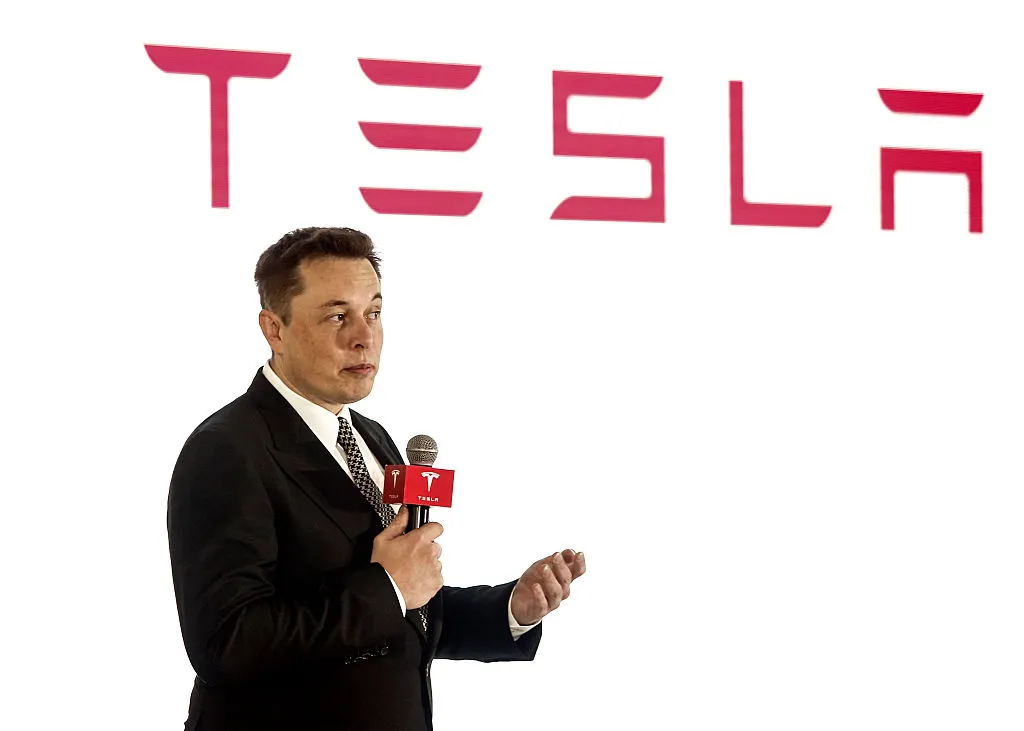
Ambitious entrepreneurs such as Elon Musk often embrace significant risk while embarking on new endeavors. Although the CEO of Tesla occupies a different financial landscape than typical investors who focus on long-term savings, his strategies offer valuable insights for investors.
Extreme risk-taking is generally not advisable for most everyday investors. It is not necessary to engage in high-risk speculation or initiate a startup to achieve long-term financial aspirations. Here are key takeaways from Musk’s risk management approach and four pitfalls investors should avoid.
Understanding Musk’s Approach to Risk
Visionary entrepreneurs like Musk set incredibly ambitious targets, including space exploration. This necessitates a strong acknowledgment of uncertainty, prompting them to plan accordingly. They often establish timelines, test smaller projects, and ensure they possess the requisite resources to actualize their ambitious visions.
Both entrepreneurs and investors can incur severe financial setbacks when they misallocate their resources or lack proper planning. While success stories like Tesla and Musk’s other enterprises—including SpaceX and xAI—garner attention, many speculative ventures and assets fail within a short timeframe. This potential risk should be a critical consideration when exploring new investment avenues.
Investment Mistakes to Avoid
Investors aiming to save for goals such as a home purchase, children’s education, or retirement generally face distinctly different financial dynamics and risk tolerances compared to entrepreneurs like Musk. Here are four critical mistakes they should strive to avoid, especially as retirement approaches.
1. Concentrating Risk in a Single Investment
Financial experts consistently advise against the risk of placing all investments into one asset. An all-in strategy on a single publicly-traded company could lead to considerable financial loss if that share declines. Instead, diversification across various asset classes—including stocks from different sectors and market caps, as well as bonds and cash—is advisable.
Index funds present a cost-effective means of achieving diversification while still offering competitive returns. Younger investors may afford to take on more risk compared to older investors closer to retirement with shorter investment horizons.
2. Engaging in Options and Leverage
Options and leverage can magnify the fluctuations of an investment portfolio. While they present opportunities for substantial returns, they also increase the potential for significant losses.
For the majority of investors, it is prudent to steer clear of these high-risk instruments. Those who decide to explore options and leverage should limit their exposure, ideally keeping it within 2-5% of their overall portfolio.
3. Letting Headlines Drive Investment Decisions
While Musk leverages social media to amplify attention on his enterprises, it is unwise for long-term investors to become overly swayed by media noise. Financial advisors often recommend that investors should only acquire stocks they are comfortable holding for several years. This approach helps in maintaining scheduled portfolio assessments without reacting impulsively to every news cycle.
Setting rules for buying and selling decisions may also be beneficial. For example, a 10% increase in the S&P 500 might warrant reallocating some assets, while some investors might feel compelled to increase stock purchases during market corrections.
4. Overlooking Hidden Costs
While high-risk strategies like options and margin trading may present immediate consequences, subtler risks, such as inflation and long-term care, can erode savings over time.
Overemphasizing growth potential can lead to neglecting essential financial aspects, including establishing an emergency savings fund, securing appropriate insurance, and developing a tax-efficient withdrawal plan to protect one’s nest egg.