Africa’s investment banking landscape in 2026 showcases significant growth and maturation, as financial institutions broaden their regional influences while confronting diverse economic challenges.
The continent’s leading banks are exhibiting resilience through strong mergers and acquisitions (M&A) pipelines, a revival in equity markets, and incremental advancements in debt markets. Highlights for this year include Rand Merchant Bank, Standard Chartered, Chapel Hill Denham, and Absa Bank, all of which are executing high-profile transactions and enhancing cross-border operations.
This performance signals a shift toward more sophisticated capital markets, although structural hurdles continue to persist.
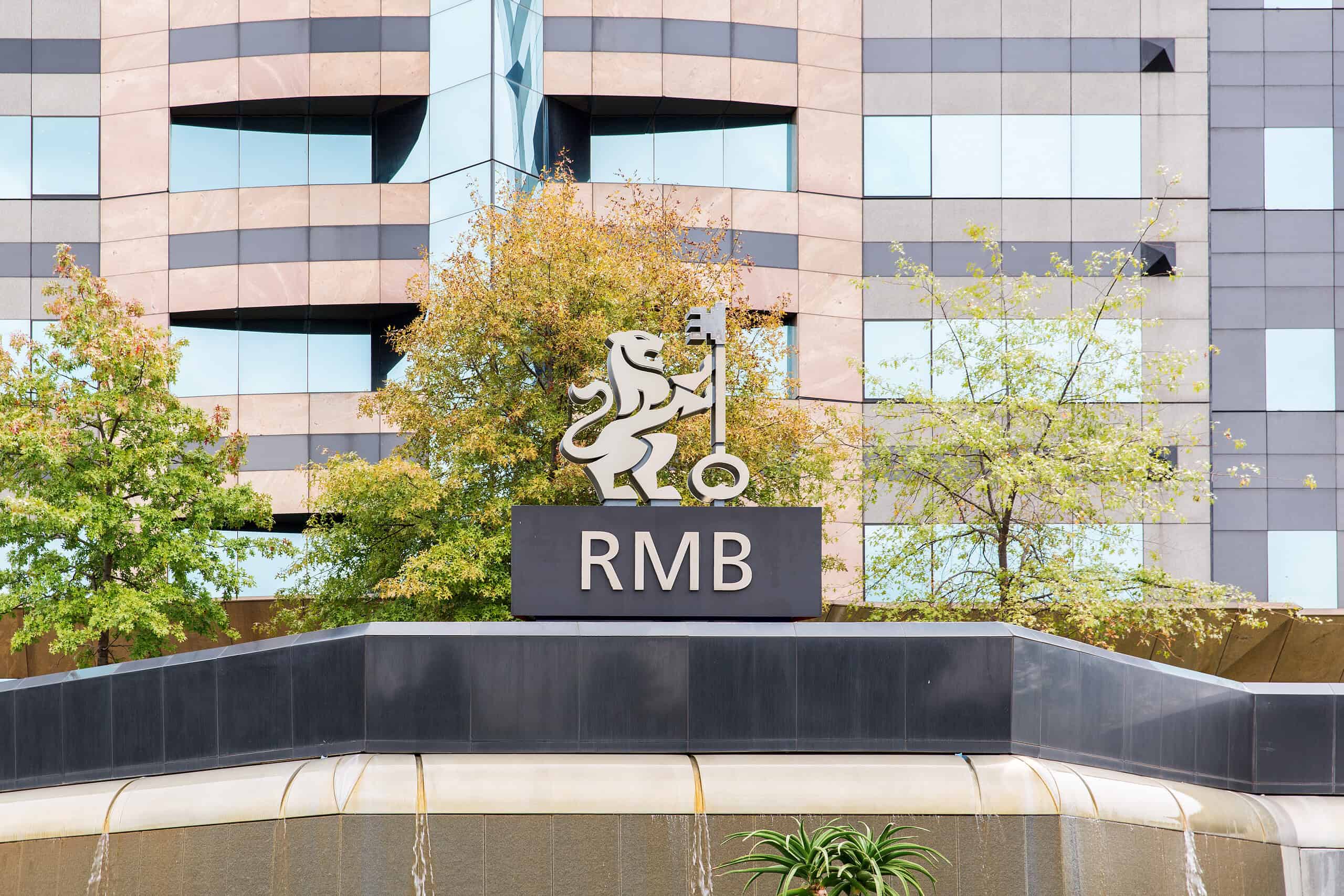
Rand Merchant Bank
Rand Merchant Bank (RMB) recorded normalized pre-tax profits of $939.2 million and achieved a 20.7% return on equity for the year 2025. The bank held a notable 16% market share in M&A in South Africa, participating in 24 transactions totaling $4.6 billion. Among its significant advisory roles was the sale of Aspen Pharmacare’s Asia-Pacific assets (excluding China) to BGH Capital for nearly 2.4 billion Australian dollars (approximately US$1.6 billion). Notably, 21% of its profits were generated from markets beyond South Africa, including a $300 million syndicated loan in Tanzania for infrastructure projects and a $500 million financing package for Asante Gold in Ghana.
Standard Chartered
Standard Chartered has been strategically reorganizing its operations in Africa, intending to concentrate on higher-growth markets and its strengths in corporate and investment banking. This strategy is aimed at solidifying its position in the continent’s M&A sector. Over the past 15 years, the bank has advised on cross-border deals across various industries, totaling over $50 billion. In recent transactions, it facilitated West China Cement’s $120 million acquisition of Heidelberg Materials’ operations in the Democratic Republic of Congo and supported Norfund with an $86 million equity investment in a new renewable energy venture in South Africa.
Chapel Hill Denham
The Nigerian equities market is witnessing unprecedented activity, largely driven by a resurgence of foreign investors amid improving macroeconomic conditions, particularly due to foreign exchange reforms. Last year, foreign transactions at the Nigerian Exchange surged by 211%, amounting to over 2.6 trillion Nigerian naira (exceeding $1.8 billion). Chapel Hill Denham has played a crucial role in the market as the issuing house for significant transactions, engaging in deals worth $553.4 million in 2025. The firm has reinforced its reputation as a key partner for banks seeking recapitalization ahead of a central bank deadline for new capital requirements.
Absa
The corporate debt markets across Africa remain underdeveloped, with only four countries accounting for 61% of the region’s outstanding corporate debt. Most issuances rely heavily on international investors and are predominantly dollar-denominated, while corporate debt in many countries is below 15% of GDP, trailing the global average of 52%. Despite these challenges, Absa Bank is actively working to reshape this landscape. It provided critical support to companies seeking capital, facilitating a $125 million eurobond for Ecobank Transnational Inc. and managing a $500 million bond issuance for Bidvest Group.