

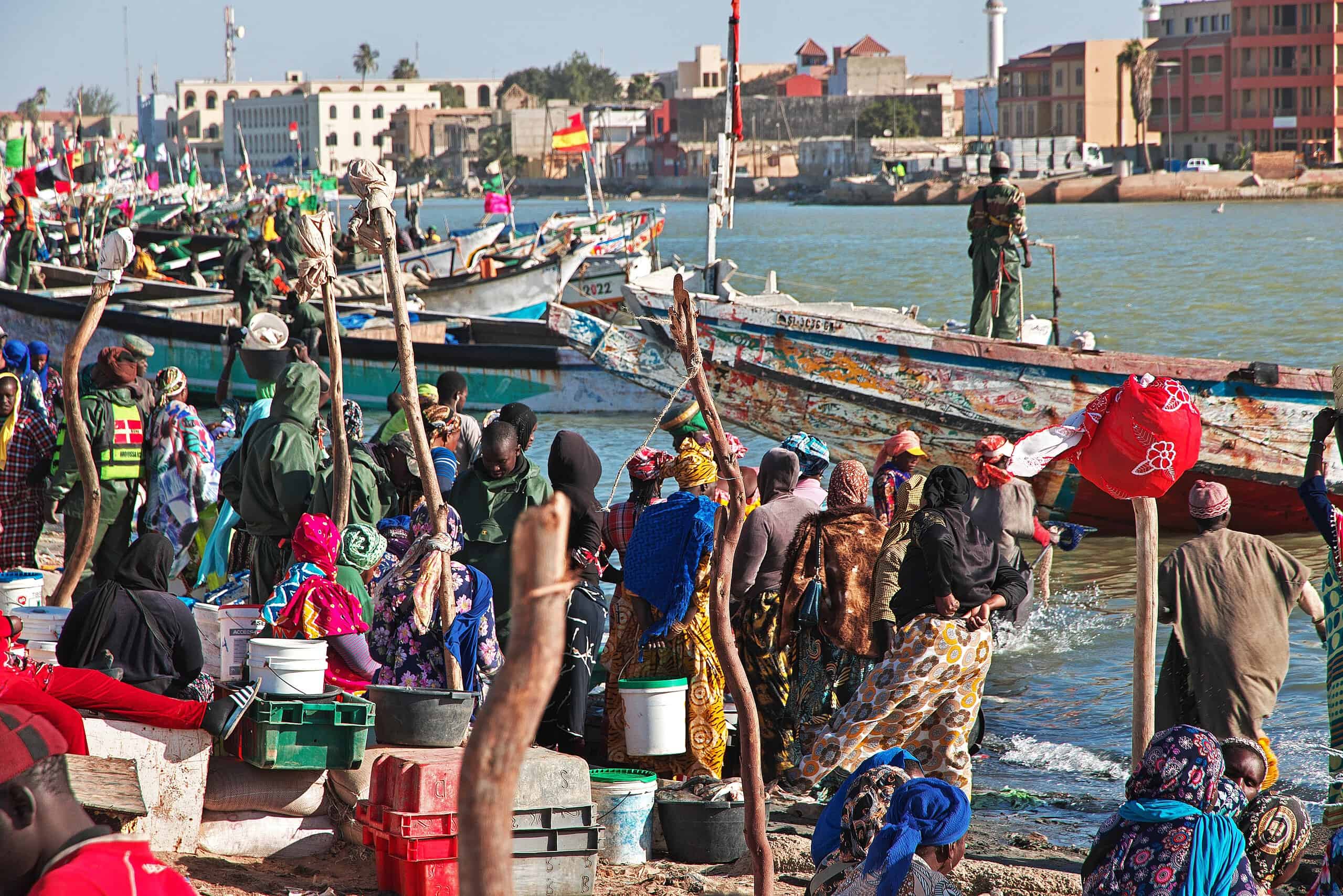
Mali Senegal River corridor opened this month with the official launch of the Saint-Louis to Ambidedi waterway, a $800 million project set to reshape West African trade. The 900-kilometer artery converts the Senegal River into a high-capacity commercial route, finally giving landlocked Mali a navigable path to the Atlantic Ocean. After more than a century relying on costly road networks through neighboring states, Mali now has a maritime alternative.
So why does this matter beyond regional headlines? Because the project sits at the intersection of infrastructure finance, trade logistics, and frontier market politics. The Organization for the Development of the Senegal River (OMVS) leads the initiative, while its operational arm SOGENAV manages execution across four governments.
Meanwhile, the budget reaches roughly 446 billion CFA francs, drawing in capital from across the basin. Below, we break down the numbers, the trade impact, and the risks that could derail the project.
Inside the Mali Senegal River Corridor Numbers
The Mali Senegal River corridor runs 905 kilometers from Saint-Louis on the Senegal coast to Ambidedi in Mali’s western Kayes region. Engineering work covers dredged channels, modern river ports, and logistics terminals at both ends of the route.
So how does the financing structure work? Four governments share governance through OMVS: Mali, Senegal, Mauritania, and Guinea. SOGENAV handles operations, while the World Bank’s procurement framework guides tender documents and execution standards.
Beyond the headline figure, the project also folds in a paved Kayes-to-Ambidedi road and an upgraded rail link. By extension, the corridor becomes multimodal rather than purely fluvial. A new bridge under construction in Kayes will improve flow on the river’s right bank, easing connections between the port and inland markets.
Hydropower from the Manantali dam, generating 200 MW since 2001, supports the broader basin development. As a result, the corridor builds on existing OMVS infrastructure rather than starting from scratch. So a navigation system covering roughly 910 buoys and 120 shore beacons will guide vessels along the route. For more on how infrastructure capital flows through emerging markets, see our coverage of construction supply chain finance.
Why the Mali Senegal River Corridor Matters for Trade
The Mali Senegal River corridor matters because Mali has been geographically locked out of direct sea access since losing Atlantic ports in the late 19th century. Cotton, gold, and agricultural products account for roughly 70% of Malian exports, leaving the country heavily exposed to overland chokepoints.
Until now, those exports have moved by road through coastal neighbors. As a result, security risks, border delays, and transport costs have eroded competitiveness for decades. River transport changes the math in ways road logistics never could.
According to industry analysis, the corridor could reduce logistics costs by up to 60% for cross-border trade. So for bulk commodities like gold ore and cotton bales, that swing alone reshapes export economics across the Sahel.
Imports stand to benefit too. Fuel and fertilizer prices in Mali carry heavy land-transport markups today. By contrast, river freight should ease price pressure on essential goods reaching Bamako and the broader interior. For deeper context on how trade finance frameworks support corridors like this, see Trade Finance Global’s reporting on the Senegal River project.
How the Mali Senegal River Corridor Reshapes Regional Finance
The Mali Senegal River corridor also signals a shift in how West African infrastructure gets financed. Multilateral pooling among OMVS members shows what cross-border cooperation can unlock when bilateral channels stall.
Meanwhile, Mali has been suspended from the Economic Community of West African States since 2023 over its stance on Niger sanctions. So the OMVS framework offers an alternative governance lane that bypasses ECOWAS politics entirely. That structural workaround carries real consequences for cross-border capital.
That dynamic carries weight for trade finance. Banks and development institutions assessing the corridor will look at OMVS commitments rather than fragile ECOWAS-level agreements. As a result, capital allocation decisions become tied to a narrower, more durable coalition of four countries.
For traders and exporters, the practical implication is straightforward. Letters of credit, commodity finance lines, and export insurance can now reference the OMVS-backed route instead of overland alternatives. So the corridor doesn’t just move physical goods, it reshapes the financial plumbing around them. Our analysis of large-scale transaction trends in emerging fintech markets digs into related capital allocation patterns across regional corridors.
Risks Facing the Mali Senegal River Corridor
Yet the Mali Senegal River corridor faces real headwinds that could undermine its potential. Political instability tops the list. Mali has experienced two coups in the past four years and currently sits under military rule, which complicates relationships with traditional development partners.
Then come the security challenges. Conflicts with Islamist groups across northern and central regions strain government resources. Postponed elections, entrenched corruption, and diplomatic isolation further complicate the operating environment.
Technical risks loom equally large. Maintaining a year-round navigable channel requires aggressive management of seasonal water-level shifts. So continuous dredging will demand sustained budget commitments across all four governments for decades to come.
Coordination among Mali, Senegal, Mauritania, and Guinea over multiple decades represents the deepest challenge. Past African infrastructure projects have collapsed when one partner state shifted political direction. So the corridor’s long-term success rests less on engineering and more on sustained political will across borders.
Looking ahead, the Mali Senegal River corridor offers a rare glimpse of what regional cooperation can build when geography and politics finally align. Whether it becomes a transformative trade artery or another stalled vision will depend on execution, not ambition.