

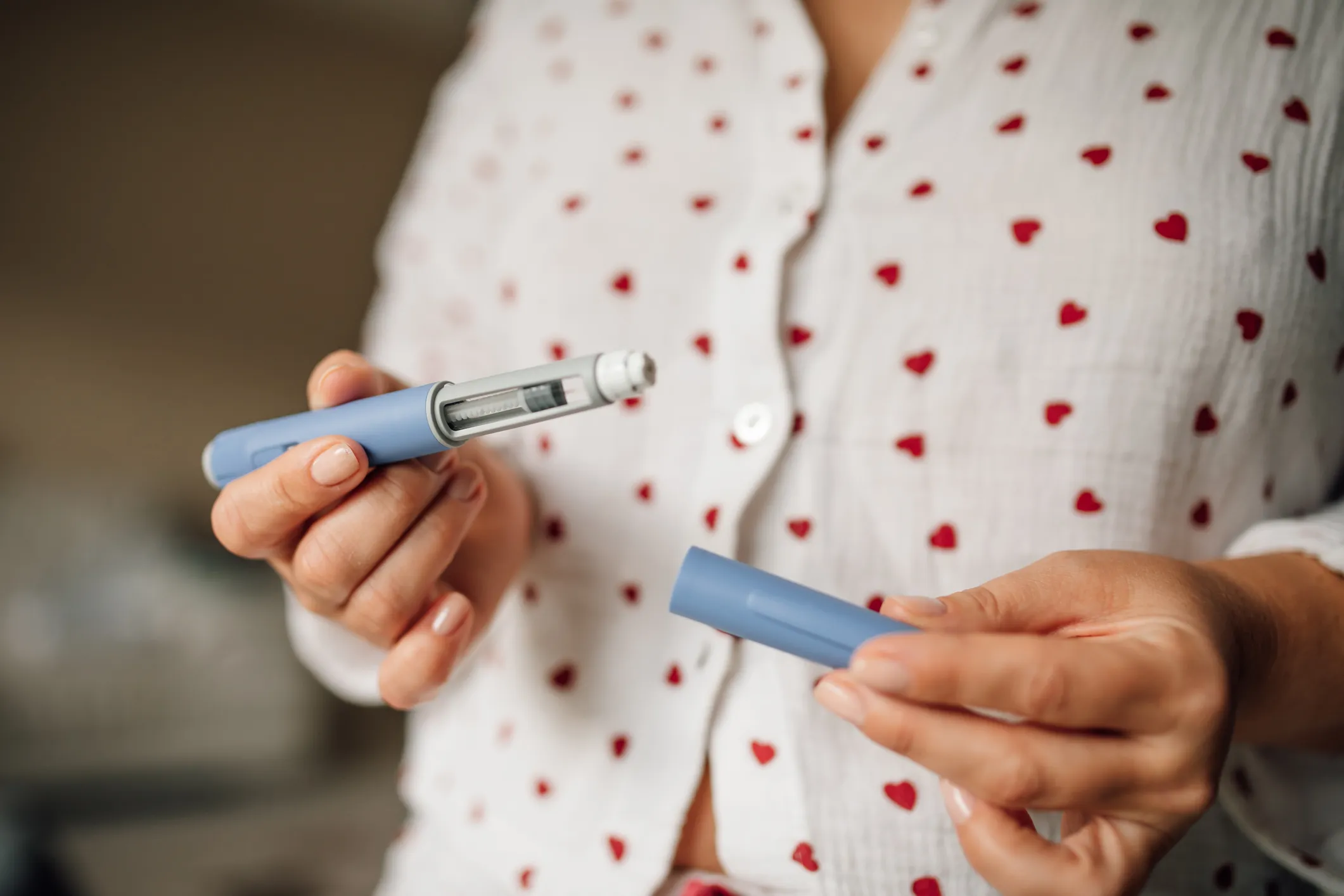
GLP-1 medications, including Ozempic and Wegovy, have gained significant popularity, but potential users may find their prices unexpectedly high.
Insurance coverage for these drugs varies widely, and patients may still be required to pay a copay or coinsurance, even with coverage. Here’s what consumers need to know about the costs associated with these treatments.
Cost of GLP-1 Medications
Ozempic has a list price exceeding $1,000. However, for individuals using it to manage Type 2 diabetes, insurance may cover part of the cost. Depending on the insurance plan, out-of-pocket expenses can range from a copay of $25 to $50. GoodRX offers a tool to help users check the typical prices for their specific insurance options.
Both Wegovy and Zepbound are FDA-approved for weight management, with Wegovy priced over $1,300 for a 28-day supply. With insurance, costs can drop to as low as $25 per month. Zepbound’s list price can reach up to $1,086 for the same duration, though insurance may similarly reduce the out-of-pocket expense to around $25.
It’s crucial to realize that the monthly medication costs represent only part of overall expenses, as these do not account for doctor visits, lab tests, and other related costs. Moreover, list prices for Ozempic and Wegovy are projected to decrease by up to 50% in the coming year, aiming to enhance accessibility for those with insurance plans.
Understanding Insurance Coverage
The complexity of insurance can make drug pricing challenging, as coverage differs for each individual. Some GLP-1 medications are covered specifically for diabetes treatment, while others may be included for weight management. Additionally, coverage can fluctuate based on the drug’s tier and requirements for prior authorization.
The specifics of each insurance plan can significantly influence patients’ financial responsibilities, determining whether they need to meet a deductible or pay a copay.
This variability also extends to public health programs. The Centers for Medicare & Medicaid Services (CMS) recently announced that expanded access to GLP-1 medications for weight loss in Medicaid could commence as soon as May, with Medicare Part D expected to follow in January 2027 under its BALANCE Model.
It is advisable for patients to evaluate the annual costs of these medications to assess if their budgets can accommodate the additional expenses. Employing tax-advantaged accounts, such as flexible savings accounts (FSAs) and health savings accounts (HSAs), may also provide financial relief. When considering these drugs, patients should plan for ongoing monthly expenses rather than basing their decisions solely on the initial prescription price.