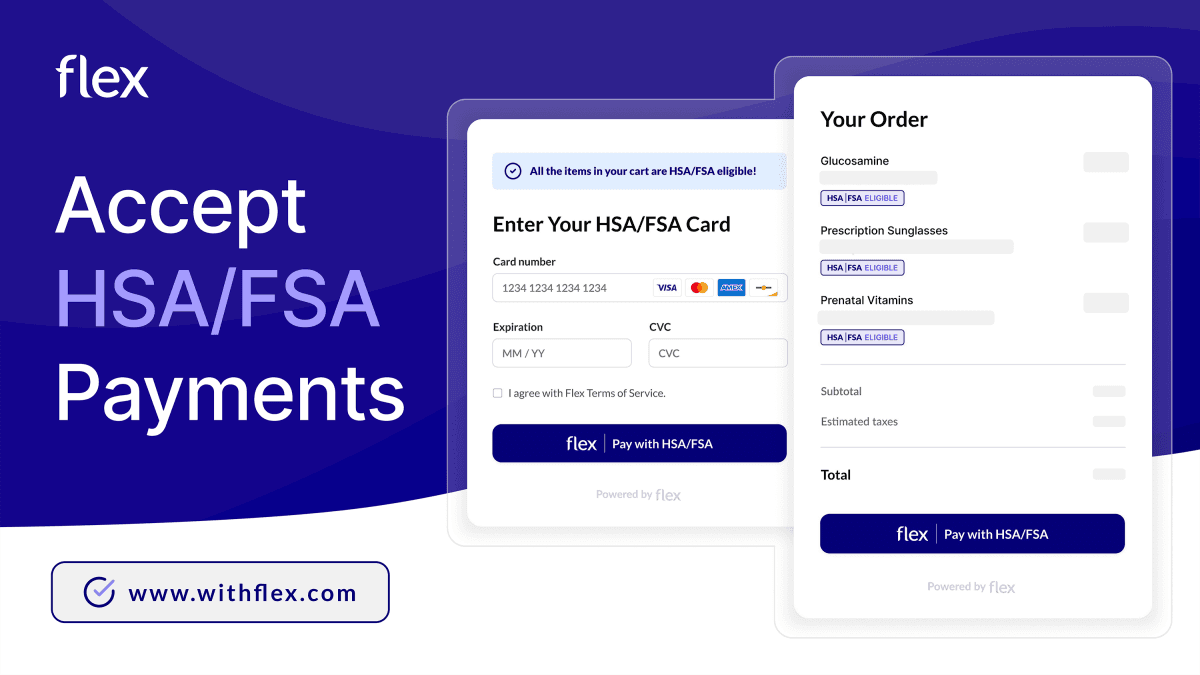
HSA FSA payments now sit at the centre of a $150 billion annual spending pool that most direct-to-consumer health and wellness brands cannot yet capture. Flex, a San Francisco fintech founded in June 2023, set out to fix that. The company raised $3.2 million in seed funding in September 2024. Backers included Y Combinator, SV Angel, Precursor, and Liquid 2 Ventures. Then in September 2025, Flex closed a $15 million Series A led by First Round and Core VC. Total capital raised reached $18 million. The product is built like Stripe for HSA and FSA spending, and merchants can integrate in under 30 minutes. For sector context, our analysis of global business banking infrastructure plays covers the broader shift toward vertical payments infrastructure.
HSA FSA Payments Market Tops $150 Billion Annually
The opportunity is large and underused. Americans hold nearly $150 billion in Health Savings Accounts and Flexible Spending Accounts. Yet a significant share goes unspent every year because consumers don’t always know what qualifies, and most retailers don’t accept HSA or FSA cards at checkout. Today, the average account holder loses around $450 in unused funds annually, Flex reported in its Series A announcement citing Devenir.
The macro setup is shifting in Flex’s favour. Currently, the consumer wellness industry stands at $500 billion and grows at 5 percent annually. Meanwhile, recent US tax legislation qualified five million additional Americans to open HSA accounts for the first time. As a result, the addressable base for HSA FSA payments is expanding while consumer interest in at-home health spending continues to rise.
Flex Raises $3.2M Seed at Checkout
Flex announced its seed round in September 2024. The $3.2 million came from Y Combinator, SV Angel, Precursor Ventures, and Liquid 2 Ventures. Internally, the company pitched itself as Stripe for the HSA/FSA ecosystem. “Flex fills a significant and compelling gap in the payments ecosystem that will help brands and consumers more effectively leverage HSA and FSA funds,” said Charles Hudson, Managing Partner and Founder of Precursor Ventures.
Sam O’Keefe and Miguel Toledo founded Flex in June 2023. Previously, the co-founders worked together in the anti-fraud group at fintech startup Unit 21. Initially, O’Keefe explored ways to incentivise health insurance companies to cover exercise programs. Then the founders pivoted toward helping D2C health and wellness brands accept HSA FSA payments at scale.
At seed close, Flex worked with more than 100 brands. Early customers included KindredBravely, BedJet, and Lumen. Notably, the company claimed merchants could integrate Flex in 30 minutes and go live within 48 hours.
Series A Cements Flex as HSA FSA Payments Leader
The Series A closed almost exactly 12 months after the seed. Flex raised $15 million in September 2025, led by First Round and Core VC. Participation came from Cameron Ventures, Rethink Impact, Y Combinator, and Liquid 2. As a result, total capital raised reached $18 million, FinSMEs reported.
By the Series A, Flex had expanded its customer base into enterprise wellness retailers. New partners included Dermstore, iFit, Therabody, Equinox, and Johnson Fitness & Wellness. Typically, retailers using Flex reported conversion rate increases of up to 30 percent. Average order value rose by as much as 50 percent. Additionally, repeat purchases strengthened across the cohort.
“We’re thrilled to back Flex as they unlock a smarter way for Americans to use their pre-tax dollars on everyday health and wellness,” said Liz Wessel, Partner at First Round, in the announcement. Meanwhile, Flex extended further in late 2025 through partnerships with Clue, Ladder, Fitbod, and Silver. Each new partnership expanded the categories eligible for HSA FSA payments, from menstrual health tools to strength training subscriptions.
Flex Verifies Eligibility With SIGIS and Telehealth
The platform handles two core problems for HSA FSA payments at checkout. First, product eligibility. Second, dual-use eligibility, where an item may qualify only if a doctor confirms medical necessity.
Flex Product Verification handles items eligible for everyone. Coverage includes over-the-counter medications, menstrual products, and first aid supplies. Internally, the system interfaces directly with the SIGIS List of eligible products. SIGIS is a non-profit subsidiary of the IRS that maintains the master list of HSA/FSA-eligible goods.
Flex Health Check handles dual-use items. Specifically, the feature uses telehealth to let a licensed healthcare provider determine whether a customer qualifies to designate a purchase as a medical expense, Athletech News reported in early 2025. A Letter of Medical Necessity remains valid for 12 months from issue. As a result, customers can use the same letter across multiple purchases. The system also handles split orders, which are checkout carts that mix eligible and ineligible items, with the qualified line items processed separately.
Why D2C Wellness Brands Now Bake In HSA FSA Payments
For D2C wellness brands, HSA FSA payments solve three problems at once. First, they expand the addressable customer base. Second, they raise average order value because consumers spend more confidently with pre-tax dollars. Third, they reduce cart abandonment because shoppers no longer pay out of pocket and chase reimbursements.
Until Flex launched, accepting HSA FSA payments online was complex. Substantiating eligibility line-by-line at checkout required significant IT resources. Only very large merchants such as Walmart and Amazon had built their own systems. As a result, smaller merchants could not capitalise on consumer demand for online HSA/FSA spending. Consumers then paid out of pocket and submitted itemised receipts for reimbursement. Frequently, that friction pushed buyers to larger retailers that handled the process automatically.
Today, Flex competes with a growing field of HSA/FSA enablement startups. Truemed, Sika Health, and Paytient cover overlapping use cases. For context on adjacent payment rail competition, our coverage of B2B Buy Now Pay Later versus trade credit examines a parallel battle in non-card payment rails. Meanwhile, our breakdown of expense management workflow design flaws covers adjacent compliance themes that also apply to HSA FSA payments processing.
The Flex story sits inside a broader shift in consumer healthcare spending. Increasingly, more health spending happens outside the doctor’s office through D2C products. As a result, the rails are becoming infrastructure rather than feature. The five wins for D2C wellness brands trace back to one structural advantage: a payment method consumers were going to use anyway, now finally available at checkout.