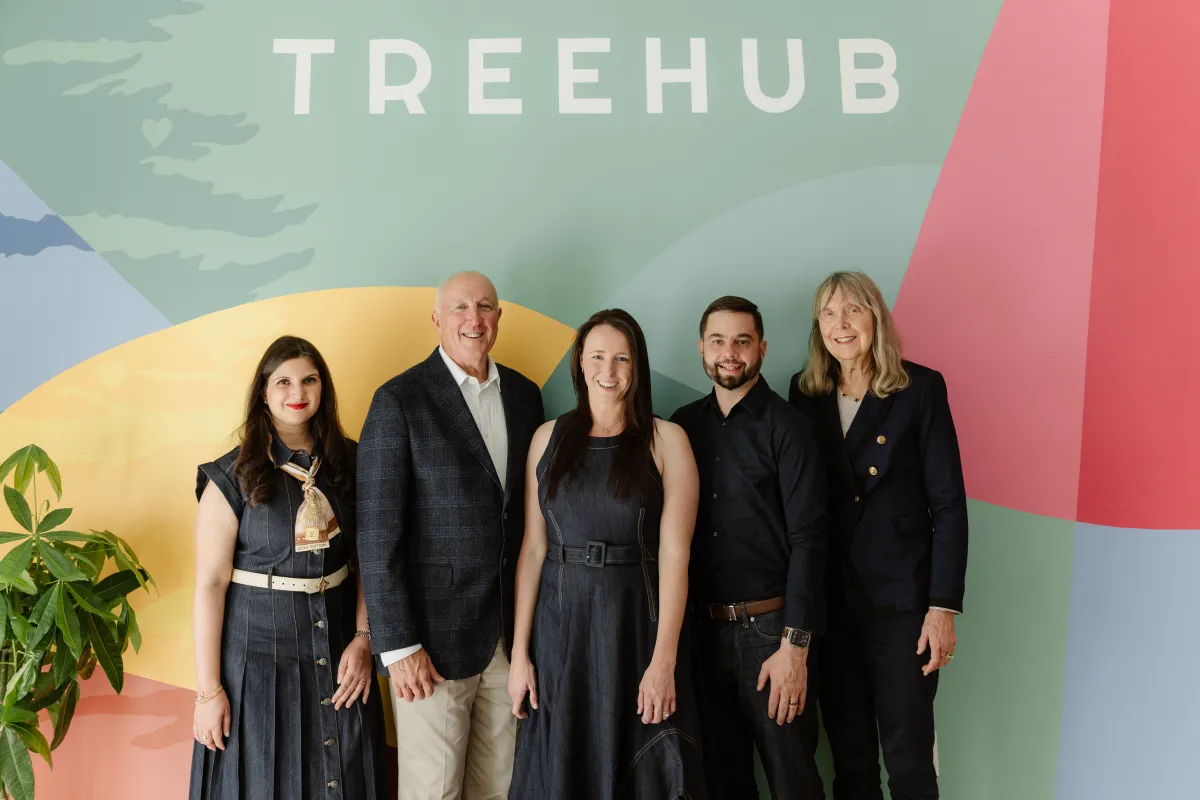
New Program Aims to Address Healthcare Challenges Through AI Innovation
Mary Minno, an investor and former product manager at Google, has announced the launch of Treehub, an early-stage startup accelerator program, and AI Health Fund, an early-stage venture firm. These initiatives are designed to support startups that operate at the intersection of healthcare and artificial intelligence. The AI Health Fund serves as the venture arm of Treehub, where entrepreneurs can apply to incubate their innovative ideas.
Structure of the Residency Program
The residency program spans six months, with the initial 12 weeks focused on helping founders achieve product-market fit. The subsequent 12 weeks are dedicated to refining the strategic direction of their companies. According to Minno, this could involve efforts to secure significant funding, joining a traditional accelerator, or implementing solutions within hospital systems.
Inspiration Behind the Initiative
The conception of this program came to Minno while she was six weeks postpartum with her second child, coinciding with a family member’s sudden diagnosis of acute leukemia. Frustrated by the challenges of securing timely specialist care and the cumbersome processes often exacerbated by outdated technology, she recognized the urgent need for innovation in healthcare. This realization fueled her belief that more startups are essential to challenge existing paradigms.
Collaboration with Industry Experts
Minno reached out to Esther Wojcicki, her former high school journalism teacher and a prominent figure in education, to discuss ways to foster innovation within the health sector. They identified a common issue where researchers struggle to commercialize their findings effectively due to a lack of storytelling skills that resonate with venture investors. Minno and Wojcicki aimed to create a program that pairs operational experts with academically-focused founders, offering a mentorship structure similar to traditional venture capital models.
Funding and Support Mechanisms
In tandem with launching the Treehub residency, Minno and Wojcicki collaborated with Stanford’s biomedical data science department to create the AI Health Fund. This fund will make early investments ranging from $50,000 to $150,000 in companies emerging from academic backgrounds. The fund aims to raise $10 million and has already secured $1.5 million in its first closing, thanks in part to a $1 million investment from billionaire venture capitalist Tim Draper.
Backing Promising Ventures
The AI Health Fund’s objective is to support at least 60 companies during this initial program. Notably, Minno indicated that the fund is structured to also assist founders who may not participate in the Treehub residency. Thus, it can effectively support second- or third-time founders with viable ideas even if they are not in need of the accelerator’s resources.
Innovative Approach and Future Aspirations
The program has already funded 12 startups from the Treehub initiative, including projects like Clair Health, which focuses on women’s hormone tracking, and a new venture by researcher Dennis Walls centered on pediatric autism. Minno emphasizes that the residency is still in its experimental phase, as the team seeks the optimal balance between accelerator and investor functions. They aim to work with entrepreneurs at the idea stage, often playing a co-founding role by introducing them to essential legal services for incorporation.
In contrast to traditional accelerators, Minno noted that their approach prioritizes strategic guidance and problem-solving skills. Without a standard demo day—given that companies evolve at varying paces—Treehub intends to customize its support based on individual founder needs. Ultimately, Minno envisions scaling the program nationally after refining its processes, with the overarching goal of significantly enhancing the success rates of participating startups.