

Debt can be a source of significant stress at any stage of life, but it becomes particularly concerning as individuals approach retirement. Although Social Security benefits may soon be available, a dwindling investment portfolio poses a risk of limited recovery from market declines, and ongoing debt obligations can strain finances just as individuals prepare to stop earning a regular income.
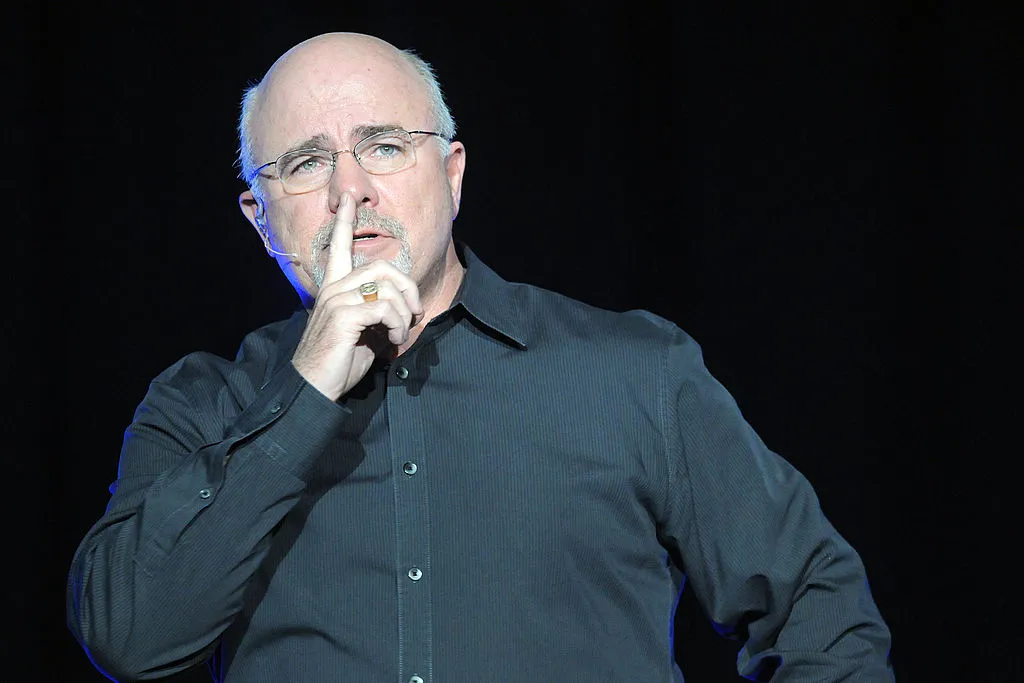
Financial expert Dave Ramsey has provided extensive advice for individuals in their 50s and 60s who find themselves burdened by debt while anticipating retirement. His principal guidance emphasizes the urgent need to eliminate debt prior to entering retirement.
Ramsey warns that carrying debt into retirement can have detrimental effects on financial stability during one’s later years. He encourages individuals to formulate and adhere to a realistic repayment plan, which may necessitate sacrifices such as seeking additional employment or significantly reducing expenditures.
While the desire to retire early may be strong, Ramsey suggests that extending one’s working years or maintaining part-time employment could be financially prudent. This approach allows individuals to continue making debt payments without compromising essential living expenses.
Strategies for debt repayment should be tailored to individual circumstances. Those uncertain about the best approach are advised to consult a financial advisor who can assess their specific financial position, goals, and timeline.
For those managing multiple debts, standard repayment strategies such as the snowball or avalanche methods can be effective. The snowball approach focuses on paying off the smallest debts first to build momentum, while the avalanche method prioritizes high-interest debts to minimize overall interest payments.
Regardless of the chosen strategy, it’s crucial to maintain at least the minimum payments on all debts, including mortgages, auto loans, and credit card bills.
Overcoming debt in one’s 50s often necessitates considerable lifestyle adjustments. Small changes, like forgoing daily coffee outings, are unlikely to yield significant savings; rather, substantial modifications to major expenses such as housing and transportation are essential.
Considerations may include transitioning from a new car to a used one or downsizing living arrangements to enhance budget flexibility. Additionally, imposing limits on discretionary spending— such as dining out less frequently, canceling subscriptions, and reducing vacation expenditures—can assist in managing debt more effectively.
