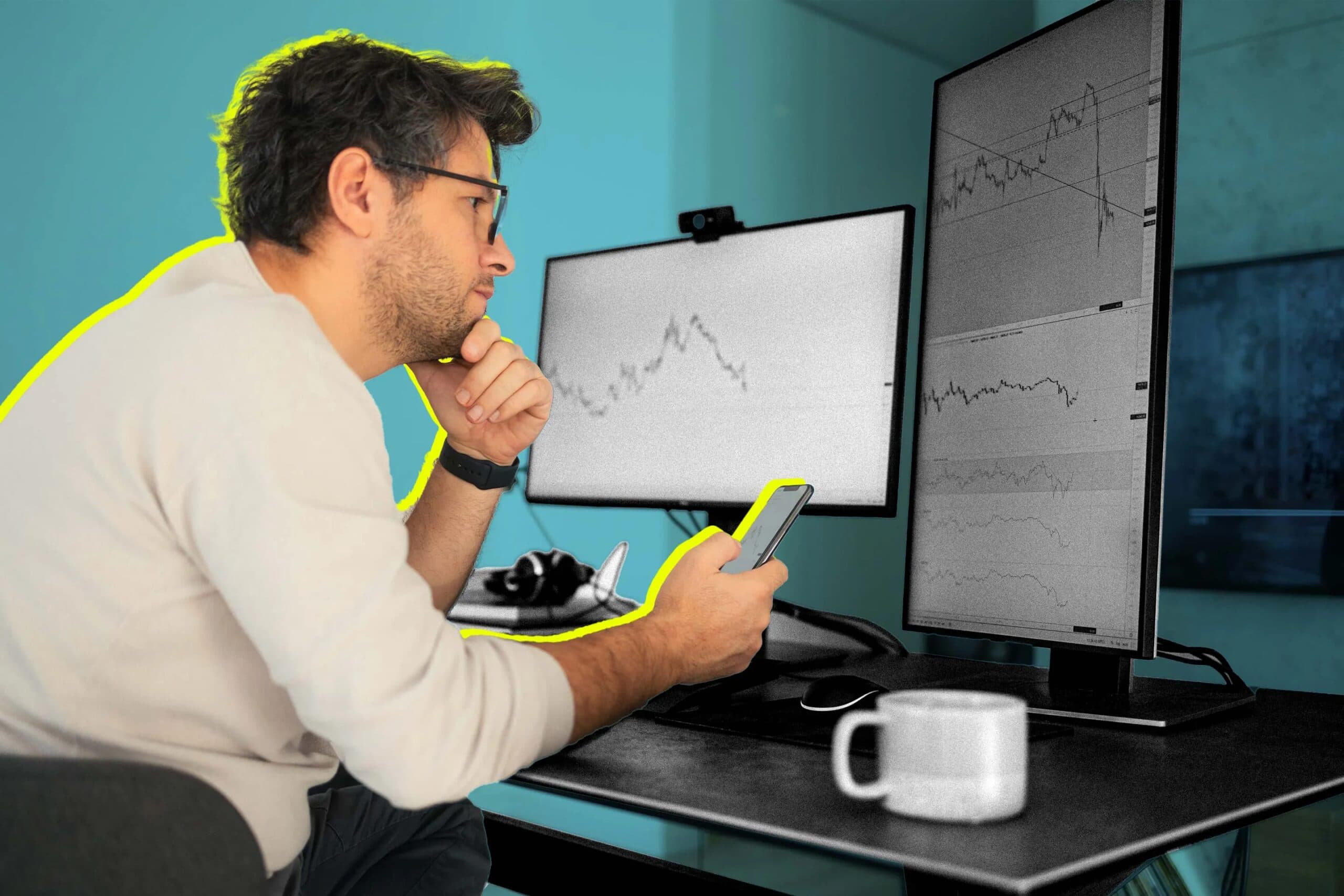
Buy Bitcoin beginners face a market that has shifted from niche curiosity to mainstream investment option in just over a decade. Trading in cryptocurrency has become increasingly accessible, yet the buying and selling process still carries real complexity and meaningful risks that first-time investors should understand before committing money. The volatility alone justifies caution.
Like many cryptocurrencies, Bitcoin exhibits significant price volatility, with daily swings that can exceed double digits. These moves are often driven by unpredictable factors such as news cycles, macroeconomic data, or comments from public figures. While volatility alone should not deter investors, starting with a modest allocation is sensible. Some exchanges allow purchases as low as $1, making it a manageable entry point.
Financial advisors generally recommend allocating no more than 5% of a portfolio to volatile assets like Bitcoin. With that guardrail in mind, what follows is a step-by-step guide for buy Bitcoin beginners in 2026, including the regulatory and tax updates that now apply.
Buy Bitcoin Beginners: Step 1 — Select a Cryptocurrency Exchange
Cryptocurrency exchanges facilitate the trading of digital assets, functioning much like stock brokerages. Choosing the right exchange matters because it directly affects the security of your investments, the fees you pay, and your overall trading experience.
For first-time investors, opt for exchanges registered with US regulators that have established reputations for safeguarding customer funds. The platform should display transparent fees and offer an intuitive interface suitable for beginners. Platforms like SoFi allow trading of cryptocurrencies alongside traditional assets such as stocks, which simplifies account management.
Buy Bitcoin beginners should generally steer clear of decentralized exchanges, at least at the outset. Although these peer-to-peer platforms offer experienced traders added privacy and a wider selection of tokens, they often trade off liquidity and security compared to centralized alternatives. Our coverage of anonymous crypto purchasing methods explores the trade-offs of decentralized options in more detail.
Step 2 — Register and Verify Your Account
Create an account on a cryptocurrency exchange by providing personal details, setting a strong password, and confirming your identity. US-based centralized exchanges typically require a government-issued ID and, in many cases, a selfie for identity verification.
While verification may raise online privacy concerns, it is a regulatory necessity aimed at preventing money laundering and terrorism financing. Verification can take anywhere from a few minutes to several days, depending on the platform and the completeness of your documentation. Enable two-factor authentication immediately after account creation for an extra layer of security.
For buy Bitcoin beginners, treating account security as a priority from day one prevents significant downstream headaches. Use a password manager, store backup codes offline, and never reuse passwords from other services.
Step 3 — Fund Your Exchange Account
After verification, deposit funds into your cryptocurrency exchange account. Most exchanges offer several funding options, each with different trade-offs.
ACH bank transfer is generally the most economical, though it may take two to five business days to finalize. Debit card funding makes money available immediately but carries fees typically between 2% and 4% of the transaction amount. Wire transfers suit larger deposits and process quickly, though originating banks often charge their own fees.
Review the exchange’s fee schedule before selecting a funding method. Transaction fees can significantly erode returns on smaller purchases, particularly for buy Bitcoin beginners making sub-$500 initial investments.
Step 4 — Execute Your First Purchase
Once your account is funded, you can begin buying Bitcoin. Search for the asset using its ticker symbol, BTC, to confirm you are acquiring the correct digital asset rather than a similarly named token.
A market order is the most straightforward approach for first-time buyers, letting you buy at the current price with immediate execution. A limit order is more complex because it lets you set a desired price and wait for market conditions to match it. Limit orders require ongoing monitoring, so buy Bitcoin beginners usually prefer market orders for their first few purchases.
Review the total transaction cost, including all platform fees, before finalizing. A typical $100 Bitcoin transaction may incur fees ranging from $1 to $5, depending on the exchange and funding method. After purchase, retain a copy of your receipt for tax records.
Step 5 — Choose a Storage Solution for Your Bitcoin
Any Bitcoin acquired via an exchange is typically stored in a wallet managed by the platform. Crypto wallets, whether software applications or hardware devices, safeguard your private key, which is the cryptographic identifier for transactions and ownership.
Keeping small amounts in an exchange wallet is practical for active traders. However, exchange storage carries real risk if the platform is hacked, becomes insolvent, or freezes withdrawals. The FTX collapse in 2022 left hundreds of thousands of investors unable to recover funds, which underscored why self-custody matters for larger holdings.
For substantial balances, transferring Bitcoin to a personal wallet is a prudent choice. Hardware wallets like Ledger and Trezor keep private keys offline, significantly reducing attack surface. Possessing the private key means you control the Bitcoin; losing the private key means losing the Bitcoin forever. Buy Bitcoin beginners should treat private key backup with the same seriousness as safeguarding a passport.
Step 6 — Set Practical Expectations and Stay Tax Compliant
After your initial purchase, expect Bitcoin’s price to fluctuate considerably. Resist the urge to check your app constantly or sell hastily during a downturn. Behavioral research consistently shows that active trading produces worse outcomes than buy-and-hold strategies for most retail investors.
Tax compliance is where buy Bitcoin beginners increasingly stumble in 2026. The IRS classifies cryptocurrency as property, meaning most transactions trigger capital gains or losses. According to the IRS’s 2026 digital asset reminders, brokers must now send Form 1099-DA to investors by February 17, 2026, and the same information goes directly to the IRS. Every taxpayer must also answer the digital asset question on their tax return, regardless of whether they received a Form 1099-DA.
Per Yahoo Finance’s coverage of the 2026 IRS rule changes, mandatory cost-basis reporting begins with 2026 trades under rules from the 2021 Infrastructure Bill. This dramatically tightens compliance expectations. For broader context on enforcement, see our coverage of IRS tax debt and collection actions, which outlines what happens when taxpayers fall behind.
Tax Rules Every Buy Bitcoin Beginners Guide Should Cover
The distinction between short-term and long-term holding periods is the single most important tax lever for buy Bitcoin beginners. Bitcoin held for more than one year qualifies for long-term capital gains rates of 0%, 15%, or 20%, depending on income. Bitcoin sold within a year of purchase is taxed as short-term ordinary income, which can reach 37% for high earners.
Per VanEck’s 2026 Bitcoin tax guide, the IRS also draws clear lines between taxable and non-taxable events. Selling Bitcoin for dollars, trading it for another cryptocurrency, or spending it on goods all trigger taxable events. Buying and holding Bitcoin, transferring it between your own wallets, and gifting it within annual exclusion limits do not.
Keep thorough records of every Bitcoin transaction. Even though exchanges now provide annual tax documents, personal records add accuracy and protect against reporting mismatches. Our coverage of NatWest’s workplace financial education launch reflects the growing recognition that financial literacy, including crypto tax basics, is becoming a core employer benefit.
Final Word on Buy Bitcoin Beginners in 2026
Buying Bitcoin for the first time in 2026 is more straightforward than ever on the purchase side and more demanding than ever on the tax and compliance side. The six steps above give most buy Bitcoin beginners a workable framework, from exchange selection through long-term storage and tax reporting.
The most important mindset shift is treating Bitcoin as a long-term, small-allocation asset rather than a trading vehicle. Volatility punishes active traders and rewards patient holders, particularly given the preferential long-term capital gains treatment. Combined with disciplined record-keeping and secure self-custody for meaningful balances, this approach sidesteps most of the common mistakes that derail first-year crypto investors.
Ultimately, buy Bitcoin beginners who start small, store securely, and document everything will navigate the 2026 crypto landscape with far fewer surprises than those who skip the basics. The technology is powerful, but the operational discipline around it is what actually compounds returns over time.