

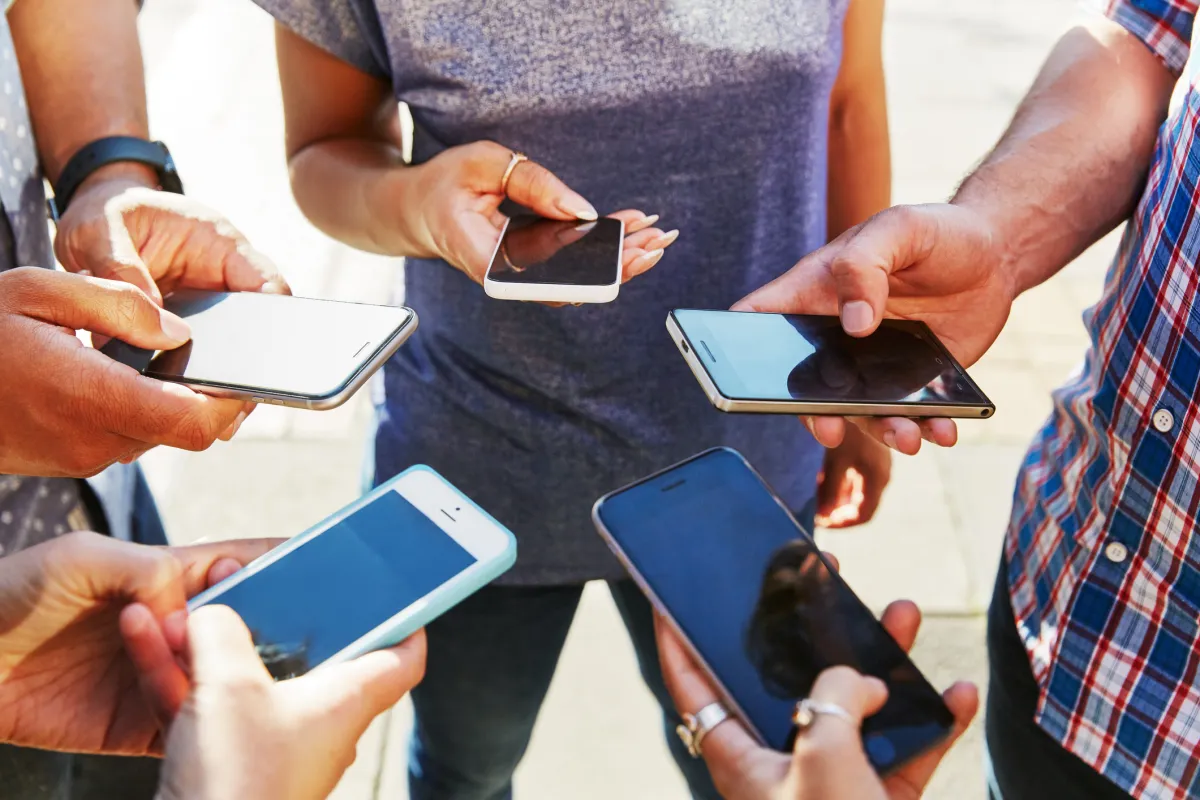
Friendship apps have reshaped how millions of people form platonic connections in 2026. In turn, these friendship apps now address a growing loneliness crisis that the U.S. Surgeon General flagged as a public health emergency back in 2023. According to a 2024 Harvard study, roughly 21% of Americans live with serious loneliness, and 73% of respondents believe technology contributes to that isolation. Yet the same technology driving this disconnect also powers solutions designed to bring people together in meaningful ways.
Friendship Apps Address a Mounting Social Crisis
Remote workers, in particular, have lost the daily interactions that once came naturally in office environments. Meanwhile, younger adults eager to build social circles around shared interests find themselves navigating a world where organic meetups happen less often than before. Fortunately, the stigma surrounding online connections has faded considerably, thanks largely to dating platforms normalizing the concept of meeting people through screens. This shift opened the door for friendship apps focused on platonic bonds rather than romantic ones.
Data from analytics firm Appfigures paints a compelling picture of this market. Local-centric friendship apps generated approximately $16 million in U.S. consumer spending, with downloads reaching around 4.3 million. Moreover, the friendship app category has attracted more than $84 million in venture capital, reflecting serious investor confidence in platforms designed around repeat social engagement. These numbers highlight a clear market demand for tools that lower the barriers to real-world conversation and connection.
How Personality Matching Powers New Platforms
Several newer friendship apps use personality-driven algorithms to pair strangers for in-person meetups. 222, for instance, is an iOS-exclusive platform that matches users based on personality tests before extending invitations to local events like wine tastings and comedy shows. A vetting process confirms participation, and individuals wary of social situations can bring a friend along for support. The service charges a $22.22 curation fee or a monthly subscription at the same rate.
In addition, a startup called Friending recently launched a platform that deliberately limits chat functionality to push users toward face-to-face meetings. Every user goes through third-party identity verification, and the app can confirm when two phones are physically near each other. This approach represents a growing trend among friendship apps that prioritize offline interaction over endless scrolling. Consequently, the emphasis on real-world presence sets these platforms apart from conventional social networks.
Established Players Evolve Alongside Newcomers
Expanding beyond its dating roots, Bumble ventured into platonic connections with its BFF feature back in 2016. That feature has since transitioned into a standalone app with a redesigned focus on group meetups. Similarly, Meetup has connected millions over shared interests since launching in 2002, and its data shows that 7 in 10 events on the platform take place in person. Both platforms demonstrate that friendship apps thrive when they make group participation feel natural and low-pressure.
On the other hand, the European app Meet5 recently entered the U.S. market with a focus on users over 40. Communal activities like picnics and concerts form the backbone of its approach, and the app has accumulated approximately 777,000 downloads to date. For adults navigating life transitions through divorce, relocation, or career changes, these age-specific friendship apps offer a structured path back into social life. As a result, the over-40 demographic has become one of the fastest-growing user segments in this space.
Event-Focused Platforms Reduce Social Anxiety
Another wave of friendship apps centers on curated events rather than one-on-one matching. Timeleft organizes weekly dinner outings by creating small groups matched through an algorithm that considers age, gender, and personality. Conversation starter games ease the tension of meeting strangers, and participants only learn the details of their dinner the night before. This element of surprise keeps the experience fresh and reduces the overthinking that often accompanies planned social gatherings.
At the same time, Clyx takes a different approach by helping users discover local events through data aggregated from platforms like Ticketmaster and TikTok. Users can upload their contact lists to see which friends plan to attend the same events and receive recommendations for new connections. Currently operational in Miami and London, Clyx plans to expand to cities like New York and São Paulo soon. Such event-driven friendship apps remove the pressure of one-on-one introductions by embedding new relationships within shared experiences.
AI and Inclusivity Shape the Next Generation
Artificial intelligence plays an increasingly important role in how friendship apps connect users with compatible people. Les Amis, tailored for women, transgender, and LGBTQ+ individuals, uses AI to facilitate weekly match-ups based on shared interests. Users can then plan meetups at local activities like pottery classes and book clubs. With a paid membership model varying by location, the app serves cities across Europe and select U.S. locations.
Meanwhile, the newly launched app Synchrony caters specifically to neurodivergent adults. Founded by a mother of a son on the autism spectrum, it offers interest-based matching and two-step identity verification. Similarly, Wyzr Friends targets adults over 40 across multiple countries, while Mmotion combines location tracking with social discovery. These specialized friendship apps demonstrate that one-size-fits-all solutions rarely work when it comes to human connection.
Hyperlocal Platforms Drive Real-World Engagement
Hyperlocal platforms represent one of the fastest-growing segments in the friendship apps market. Washed Up launched in early 2026 to help Los Angeles residents find local events and create or join small group meetups tied to those events. Instead of attending concerts or trivia nights alone, users can browse plans, request to join groups, and build new connections organically. The low barrier to entry makes these tools especially appealing to newcomers in unfamiliar cities.
Beyond the U.S., running clubs have emerged as an offline complement to digital friendship apps. Google searches for “run club” have tripled over the past five years, and Strava’s 2024 Year in Sport report found that run club membership grew by 59% globally. This offline movement feeds back into app ecosystems, as many users discover digital tools through the communities they join in person. The relationship between technology-driven consumer tools and real-world social behavior continues to grow closer with each passing year.
The Fintech Angle Behind Social Connection Platforms
Underneath the social mission of friendship apps lies a fascinating fintech story. Subscription models, in-app purchases, and curation fees represent evolving payment strategies that mirror trends across the broader consumer app landscape. Furthermore, the tens of millions in venture capital flowing into this category show that investors see strong unit economics in platforms designed around repeat social engagement. Payment processing, identity verification, and algorithmic matching all require robust fintech infrastructure to function at scale.
As AI-driven commerce reshapes how businesses interact with consumers, friendship apps stand at the intersection of social technology and financial innovation. The platforms that monetize effectively tend to blend freemium access with premium curation, giving users a reason to convert from free trials into paying subscribers. Consequently, the growth of friendship apps signals broader shifts in how consumer technology companies build revenue around community-driven experiences.
What the Future Holds for Social Connection Technology
The increasing variety of friendship apps illustrates a market that refuses to stagnate. From AI-powered matching to curated dinner outings and phone-free social clubs, the approaches keep multiplying. A 2025 study by Researchscape International and LifeStance Health found that most Americans would consider a digital detox, yet many still turn to digital tools as a first step toward building real-world bonds. This tension between screen fatigue and digital reliance drives the innovation behind modern friendship apps.
Looking ahead, the platforms that survive will be those that convert digital introductions into lasting offline relationships. The data makes one thing clear: friendship apps have moved well beyond novelty status. They represent a multimillion-dollar consumer category backed by significant venture funding, and they address a crisis that the U.S. Surgeon General considers comparable to the health risks of smoking 15 cigarettes per day. For millions of people navigating isolation in an increasingly digital world, these platforms offer a genuine pathway back to connection.
