

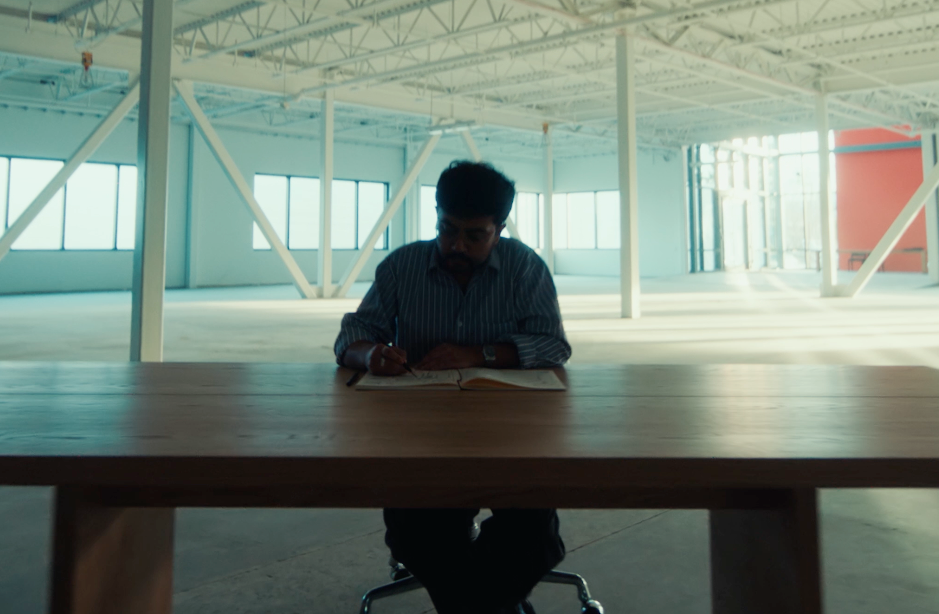
Secretive AI Lab Hark Unveils Ambitious Plans for Intelligent Software
A secretive AI lab founded by serial entrepreneur Brett Adcock has revealed exciting developments in what it believes is a pioneering approach to merging model-building with hardware design. The company asserts that this innovative combination will transform the way humans interact with intelligent software.
Creating a Seamless Personal Intelligence Experience
The lab’s strategy involves designing multi-modal end-to-end models alongside their hardware and interfaces, aimed at producing a “seamless end-to-end personal intelligence product.” This advanced system will maintain a persistent memory of users’ lives and possess the ability to listen, see, and engage with the world in real-time.
Silicon Valley’s Pursuit of a Breakthrough AI Product
While specific execution details remain under wraps, Hark’s ambitious goals epitomize Silicon Valley’s relentless quest for the “killer app” that will position AI as a sought-after consumer product rather than just an add-on to existing digital platforms. Adcock shared his vision in a January internal memo, expressing frustration that current AI models lack sophistication and often feel inadequate.
Key Hire Boosts Hark’s Design Aspirations
Details about the company’s inner workings are intentionally limited, but Director of Design Abidur Chowdhury has emerged as a pivotal figure. A former industrial designer at Apple, he played a crucial role in shaping the iPhone Air and other recent products. Chowdhury left Apple last fall after being inspired by Adcock’s vision for revolutionizing how humans automate their lives.
Insights on Future AI Interactions
In an exclusive interview, Chowdhury remained tight-lipped about Hark’s roadmap, only hinting that the company’s first AI models will debut this summer. He articulated his thoughts on how the world is evolving while acknowledging that existing devices are outdated. “Very few people are really going after what the future is,” he stated, highlighting the potential for intelligent design to underlie everyday tasks instead of being merely a superficial layer on current technologies.
Challenges of Daily Tasks and Opportunities for Automation
Chowdhury emphasized the awkwardness often present in routine activities such as filling out forms or managing travel plans. He expressed a vision where mundane tasks could be seamlessly automated, freeing individuals from the anxiety associated with juggling multiple responsibilities in daily life.
Emphasis on Individualized User Experience
Although Chowdhury did not provide specifics on how users will experience their forthcoming products, he suggested that wearable technologies may not play a significant role. He voiced skepticism about devices that could create a barrier between users and their environments. This notion reinforces Chowdhury’s broader belief that future user experiences must focus on personalized rather than generalized solutions.
Strategic Growth and Collaboration
Hark is poised to make a significant impact in the AI landscape, employing 45 engineers and designers from prestigious backgrounds, including former Meta AI researchers and Apple designers. The company’s operations will soon be bolstered by a new cluster of NVIDIA GPUs, enhancing its capacity for AI model training.
Ambitions in the AI Field Fueled by Substantial Funding
With $100 million in personal seed funding from Adcock, Hark aims to compete for top talent as major companies race to determine how deep learning models can integrate into everyday life. Echoing sentiments of nostalgia for transformative moments in technology, Chowdhury remarked that the current landscape presents an opportunity for improvement comparable to the advent of the iPhone.
