

Uber Expands Its Autonomous Vehicle Ambitions with Rivian Partnership
TechCrunch Mobility is your go-to source for the latest news and insights in transportation. Recently, Uber’s renewed focus on autonomous vehicles has made headlines, following its sale of Uber ATG, its internal autonomous vehicle development unit, in 2020. Stripping away several ambitious projects to concentrate on its core businesses of delivery and ride-hailing, Uber retained equity stakes in those ventures.
Despite divesting its in-house capabilities, Uber has not completely abandoned the autonomous vehicle space. Over the past two years, it has forged partnerships with numerous companies specializing in autonomous technology across various sectors, including delivery, drones, trucking, and robotaxis. The company has taken a global approach, collaborating with Chinese firms to introduce robotaxis in Europe and the Middle East, in addition to startups like U.K.-based Wayve.
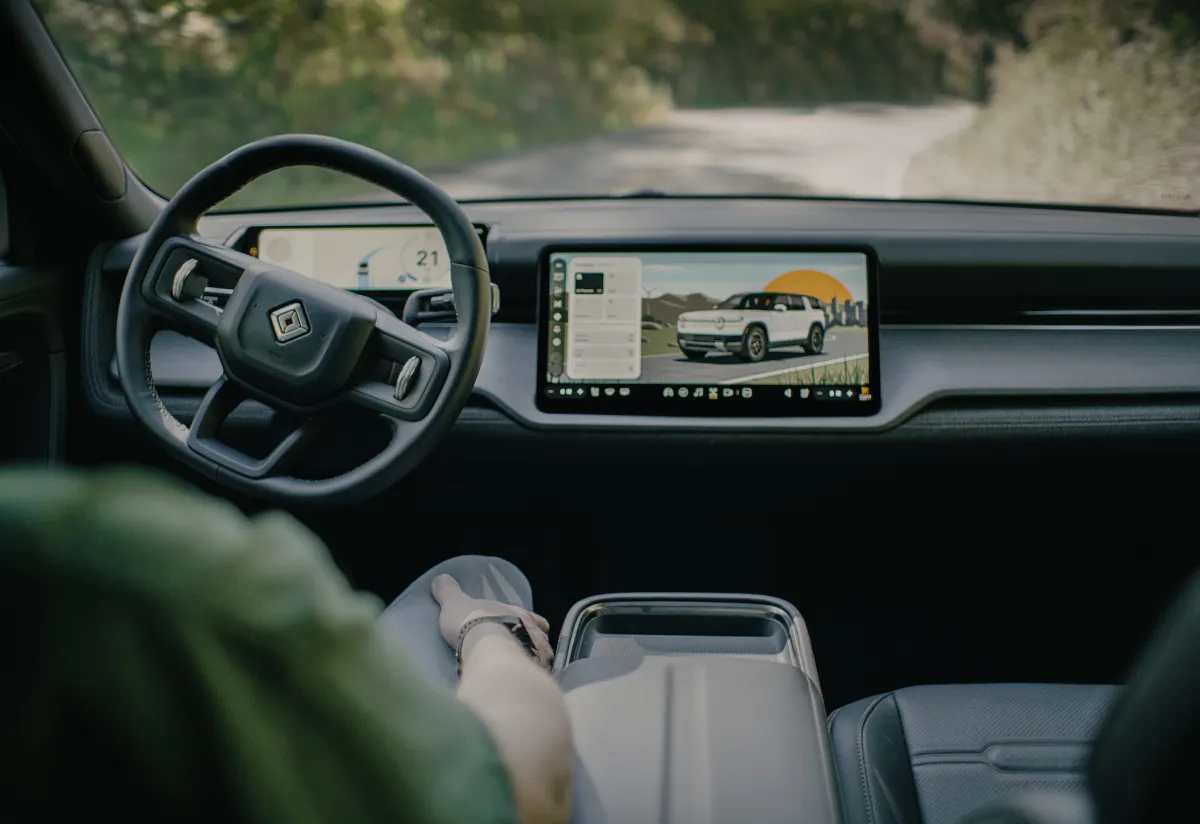
The latest of these partnerships involves Rivian. As part of this agreement, Uber will make an initial investment of $300 million in Rivian and will procure 10,000 fully autonomous R2 robotaxis, slated for deployment in San Francisco and Miami by 2028. Uber holds the option to purchase an additional 40,000 vehicles beginning in 2030, with the fleet dedicated exclusively to Uber’s network.
This development raises several considerations. Although the total potential deal could reach $1.25 billion, Uber’s initial financial commitment appears relatively modest, placing substantial risk on Rivian. Notably, this partnership stands out as the only one in which Uber serves as both the developer of the self-driving technology and the vehicle manufacturer.
However, challenges persist for Rivian. The company has yet to commence production of the R2 SUV or test a self-driving system tailored for robotaxis, with plans for production at its Georgia facility still under construction. Furthermore, Rivian has tempered its expectations, announcing that it does not anticipate achieving its profitability target by 2027 due to the considerable resources being allocated to its autonomous initiatives.
In the evolving landscape of autonomous vehicles, Nvidia is another key player, actively pursuing investments in technology companies and establishing partnerships with automakers. During a recent GTC conference, CEO Jensen Huang announced significant collaborations with firms such as BYD, Geely, Hyundai, and Nissan to advance its autonomous vehicle development platform, Nvidia Drive Hyperion. This follows previous partnerships with giants like GM, Mercedes-Benz, and Toyota, emphasizing the company’s commitment to leading in the AV sector.
In addition to these key developments, several startups in the transportation tech space are also making strides. Advanced Navigation secured $110 million in a Series C funding round to support its navigation and systems development, while Arc Boat Company raised $50 million in a similar funding effort. Notably, Jeff Bezos is reportedly seeking $100 billion for a new fund aimed at acquiring and modernizing companies in significant industrial sectors, including automotive and aerospace, using AI models from his new startup, Project Prometheus.
