

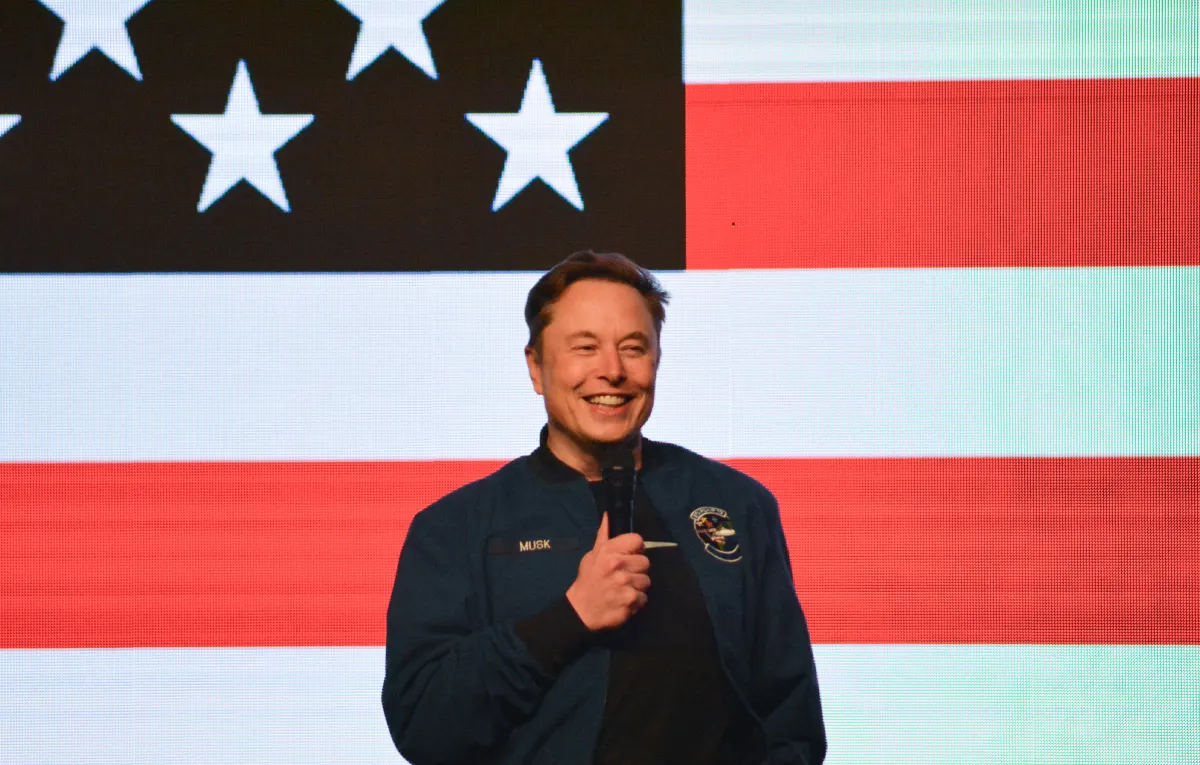
Elon Musk Reveals Plans for Ambitious Chip Manufacturing Project
Elon Musk has unveiled an ambitious initiative to establish a chip manufacturing collaboration between Tesla and SpaceX. This development was shared during an event in downtown Austin, Texas, where Musk presented a photo suggesting that the facility, dubbed “Terafab,” will be constructed in proximity to Tesla’s headquarters and gigafactory.
Addressing Semiconductor Shortages
Musk stated that the motivation behind this project stems from ongoing semiconductor shortages that hinder his companies’ requirements for artificial intelligence and robotics. “We either build the Terafab or we don’t have the chips, and we need the chips, so we build the Terafab,” Musk emphasized.
Aiming for High Computing Power
The primary objective of the Terafab project is to produce chips capable of delivering between 100 to 200 gigawatts of computing power annually on Earth, alongside a capacity for generating a terawatt of power in space. While Musk has laid out these bold aspirations, he has yet to provide a timeline for the execution of these plans.
Circumventing Manufacturing Limitations
As noted by Bloomberg, Musk’s background does not include semiconductor manufacturing, raising questions about the feasibility of his ambitious claims. Nonetheless, he has a track record of making grand promises about various technologies and timelines, often without delivering on those commitments.
The Strategic Location of Terafab
The proposed location for the Terafab facility near Tesla’s existing operations in Austin indicates a strategic plan to streamline operations and resource allocation. By situating the manufacturing hub close to Tesla’s innovation and production lines, Musk aims to bolster the supply chain for critical semiconductor components.
Potential Impact on AI and Robotics
If successfully realized, the Terafab initiative could significantly impact the development of artificial intelligence and robotics technologies across Tesla and SpaceX. The immediate need for advanced semiconductor chips in these industries could potentially reshape the competitive landscape, as Musk’s companies strive to lead in technology innovation.
Looking Ahead to the Evolution of Chip Production
The Terafab project represents a bold step towards a more autonomous and efficient chip production model, although skepticism remains regarding its execution. As the demand for sophisticated chips accelerates in the tech industry, Musk’s plans underscore the urgency of innovation in semiconductor manufacturing—an area traditionally dominated by established players.
