

Navigating the electric vehicle market poses significant challenges for legacy automakers, particularly in the current climate of diminishing incentives and fierce competition from Chinese manufacturers. Honda’s recent decisions, however, suggest an alarming retreat from the EV sector.
This week, Honda made the notable move to dissolve its underwhelming electric vehicle initiatives. The company’s commitment to competing in the EV sector appears to have dissipated, jeopardizing its ability to adapt in an era of profound industry transformation.
While Honda attributes its retreat to U.S. tariffs and the rising dominance of Chinese competitors, these reasons obscure a more fundamental issue: the absence of a robust EV strategy. The lack of a clear roadmap has hindered Honda’s ability to make significant strides in this pivotal market.
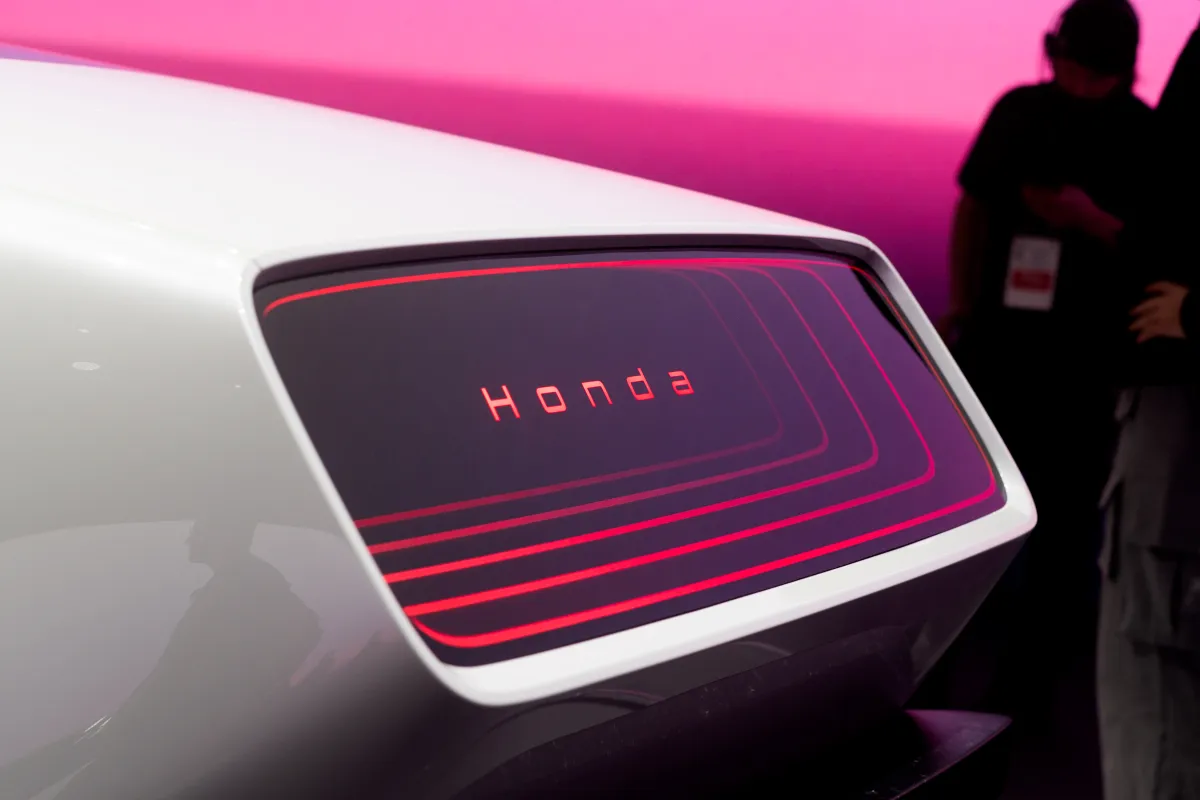
On Thursday, Honda announced the cessation of development for the electric Acura RDX and the Honda 0 sedan and SUV—models intended to be the company’s inaugural fully electric offerings, yet shrouded in secrecy. On Friday, Automotive News reported that Honda would also halt production of the Prologue, a vehicle essentially designed by General Motors, emphasizing the company’s struggles with original EV concepts.
This strategic retreat could have far-reaching consequences. By stepping back from electric vehicle development, Honda risks falling severely behind in two critical automotive trends: the shift toward electric drivetrains and the rise of software-defined vehicles (SDVs).
Missed EV Opportunities
For Honda and other traditional automakers still grappling with the transition, electric vehicles are often seen merely as cars equipped with alternative drivetrains. Honda executives may be under the impression that they can bide their time and eventually make adjustments when battery technology stabilizes. Unfortunately, this perspective is shortsighted.
Many manufacturers have discovered that retrofitting internal combustion engine vehicles to accommodate electric powertrains often results in inefficiencies. While this approach may hasten development timelines, the final products can be heavier, less efficient, and more expensive to manufacture.
Creating original electric vehicles, on the other hand, allows manufacturers to rethink vehicle design from the ground up, potentially leading to more cost-effective solutions. Take Ford’s Mustang Mach-E, for instance. While it achieved notable sales success, it has also faced financial challenges due to foundational engineering constraints inherited from its combustion-engine lineage. As noted by Ford CEO Chris Farley, elements like a disproportionately heavy wiring harness hinder performance and efficiency.
Moreover, by abandoning electric vehicle initiatives, Honda misses vital learning experiences in both product development and manufacturing processes. The company also forgoes opportunities to build relationships with new suppliers and to learn from direct customer feedback regarding consumer preferences in EVs.
Sayonara to Software-Defined Vehicles
In addition to EVs, Honda is distancing itself from another significant trend transforming the automotive landscape: software-defined vehicles (SDVs). These vehicles offer dynamic capabilities that can be upgraded over time, meeting consumer expectations for frequent updates and advanced technological features.
As consumers increasingly gravitate toward brands that deliver cutting-edge technology—like Tesla, Rivian, and BYD—Honda has lagged in innovation in areas such as infotainment systems and driver assistance features. While SDVs do not have to be electric, their capabilities align closely with EV technology, benefiting from the robust computing power made possible by large battery systems.
Honda’s Corporate Identity in Jeopardy
As Honda navigates this challenging landscape, it faces an identity crisis. Traditionally recognized for its strength in internal combustion engines, the relevance of this core competency continues to diminish in an evolving marketplace.
Furthermore, Honda’s identity as a “driver’s car” manufacturer is increasingly threatened as vehicles gain autonomy. While the company has built a reputation for producing lightweight, efficient cars, the definition of what constitutes an appealing vehicle is shifting, particularly in an era dominated by self-driving technology.
Despite the industry’s changing dynamics, Honda remains trusted for its reliability and competitive pricing. However, with the impending rise of EVs—which promise even greater reliability—Honda must adapt or risk losing consumer interest. As seen in recent reports from China, where Honda acknowledged difficulties in competing with newer, value-driven EV brands, the company faces mounting pressure. Without a clear strategy for electrification, Honda’s challenges in the global market are poised to escalate.