

Home Features  Q&A: How Lebanon’s Aviation Chief Keeps Beirut Airport Open Amid Iran War Chaos
Amid extensive disruptions affecting air traffic across the Middle East since the onset of the US-Israeli war on Iran in late February, most airlines have paused their operations. In this challenging environment, Captain Mohammed Aziz, the head of Lebanon’s Civil Aviation Authority and a former advisor to Middle East Airlines (MEA), elaborates on the operational status of Beirut’s airport, which remains accessible despite ongoing strikes by Israel in proximity to its location.
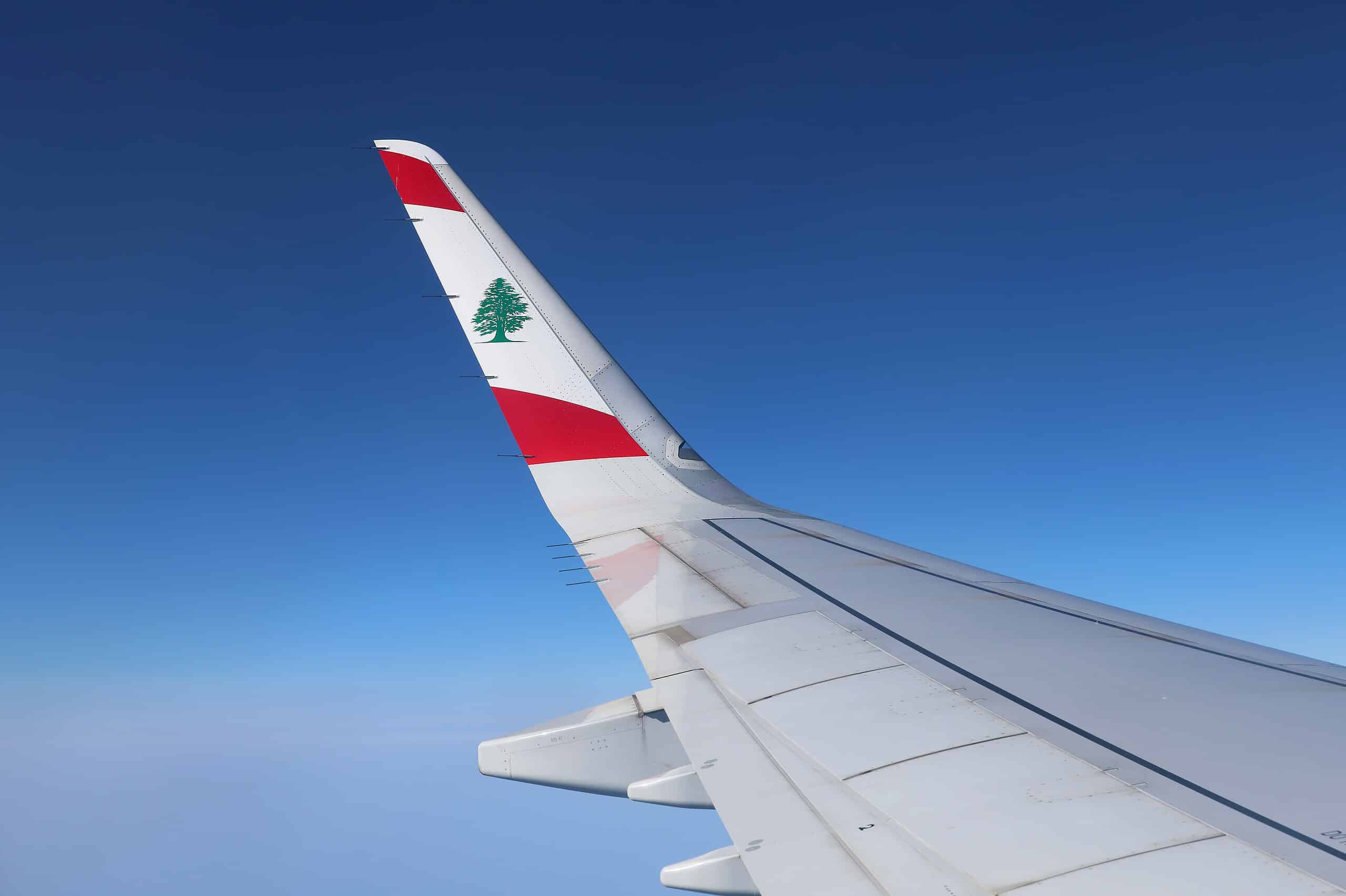
The conflict has led to the closure or bypassing of significant airspace, forcing a multitude of rerouted flights and service cancellations throughout the region. In Lebanon, conditions are particularly severe, with Israel conducting near-daily strikes on Beirut and its southern suburbs, just a short distance from the country’s sole international airport. Consequently, MEA stands as the only airline continuing to operate flights, serving as a critical bridge connecting Lebanon to the global community.
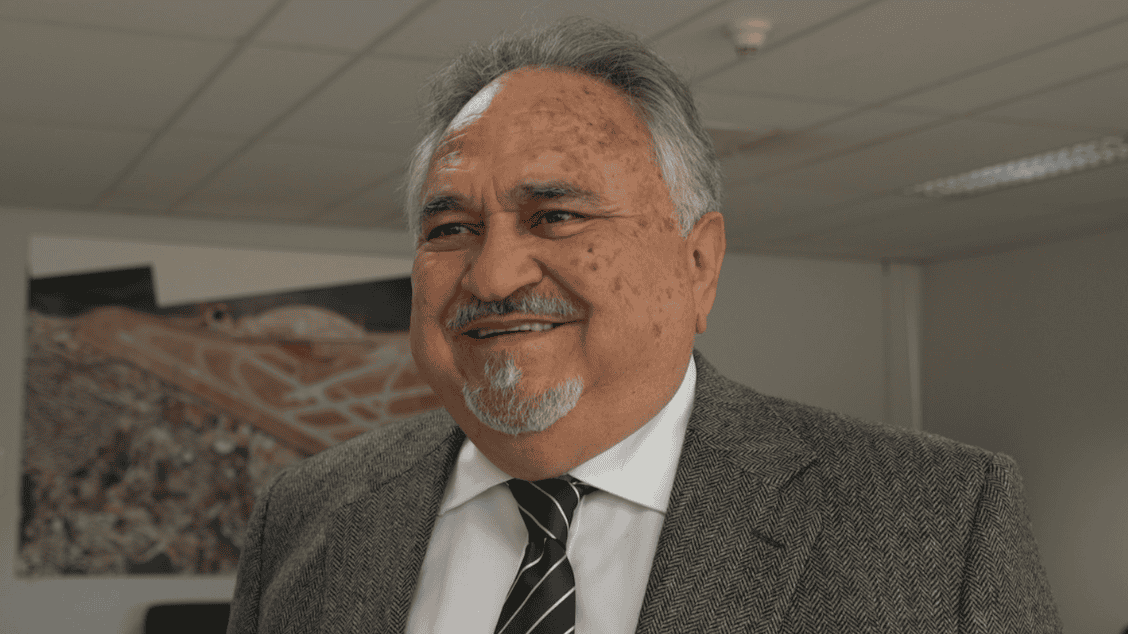
In an interview with Global Finance, Captain Aziz discusses the resilience of Beirut Airport amid the crisis and its implications for the aviation sector.
Global Finance: What is the current operational status of the airport?
Aziz: Given the surrounding circumstances, the airport is functioning effectively. For example, on April 1st, an incident near the airport required a temporary halt to road access for about half an hour for cleanup, but airport operations continued without interruption during that time. Our priority is to keep the airport open safely despite the prevailing situation.
GF: How do you assess the timing of strikes and manage flight arrivals and departures?
Aziz: Typically, Israeli authorities provide notifications prior to their targeting, particularly around Beirut. Additionally, we monitor radar systems for incoming attacks. They are aware of civilian flights and typically avoid these operations, though there have been a few instances where they coincide. In such cases, we hold aircraft in the air until hostilities conclude.
GF: Which airlines are currently operational?
Aziz: MEA continues to operate all routes except those to regions where airports are non-functional, such as Kuwait, Doha, or Abu Dhabi. As a result, they are experiencing nearly a 40% traffic loss, as several Gulf airports remain closed. Meanwhile, Gulf carriers have ceased flights to Beirut, primarily due to operational challenges or prioritization elsewhere. European airlines have also halted all services to the region since the onset of the conflict.
GF: How do MEA’s operations look at this time?
Aziz: Currently, MEA operates a fleet of 22 aircraft; however, five or six remain stationed abroad continuously to mitigate risks. This means that only 16 aircraft are actively flying, and they are often not utilized at full capacity. For instance, some routes that previously accommodated Airbus A330 jets now only handle A321s, necessitating adjustments to reduce losses and manage insurance liabilities.
GF: Why is MEA the sole airline maintaining operations?
Aziz: As a national carrier, MEA feels a responsibility to operate. It’s crucial for the airline to sustain connectivity between Lebanon and the rest of the world. The decision to continue flights is heavily influenced by ongoing risk assessments, which previously prompted suspensions during the civil war and the 2006 conflict. At present, MEA remains operational.
GF: How can MEA justify business operations given the current risks?
Aziz: To navigate these circumstances, we conduct daily risk assessments at the highest levels, involving key stakeholders, including civil aviation leadership, MEA management, and security authorities. This team maintains constant communication with government officials, embassies, and foreign ministries to remain updated on any developments that could affect operations. Regular coordination meetings ensure we promptly respond to any changes, a process that is both time-intensive and critical. For MEA, Lebanon represents the core of their operations, compelling them to continue flying, whereas foreign airlines may choose to suspend services until conditions improve.
GF: What impact does the ongoing conflict have on insurance costs?
Aziz: Insurance premiums are subject to fluctuations based on various factors, including the company’s risk management approaches and available data. Insurers regularly adjust policies, which may involve increased premiums, shifted coverage limits, or confirmation to maintain current operations, with conditions that can change suddenly. We have to maintain communication with insurers to stay informed on adjustments.
GF: Are there additional expenses associated with operating during wartime?
Aziz: Yes, there are significant additional costs. We provide incentives to employees to ensure they report to work and also offer accommodations near the airport. Fuel prices have surged, with costs increasing from $700 to around $1,500 per ton. Additionally, many routes are now longer; for example, a flight from Beirut to Dubai has shifted from a three-hour direct route to an approximately five-hour detour. This not only raises fuel expenses but also increases maintenance and staffing overhead due to extended flight times.
GF: How can MEA mitigate these additional costs?
Aziz: While it may not be possible to fully compensate for these extra expenses, MEA employs yield management strategies to offset some costs. Ticket prices are adjusted based on seat occupancy; lower prices may be offered during periods of low demand, which helps to optimize revenue. This approach enables MEA to maintain operations despite temporary financial losses, with the hope that the loyalty earned from continuity will yield dividends when stability returns. We remain hopeful for a brighter future, which is why we are dedicated to keeping the airport operational and maintaining public trust in the airline and our country.
GF: Are there opportunities to be seized during this period?
Aziz: Indeed, we view this crisis as a chance to expedite improvements to our terminal facilities. The current traveler volume is significantly lower, at around 20-25% of normal levels, providing an opportunity to complete enhancements in a much shorter timeframe than originally planned, likely within two to three months.