

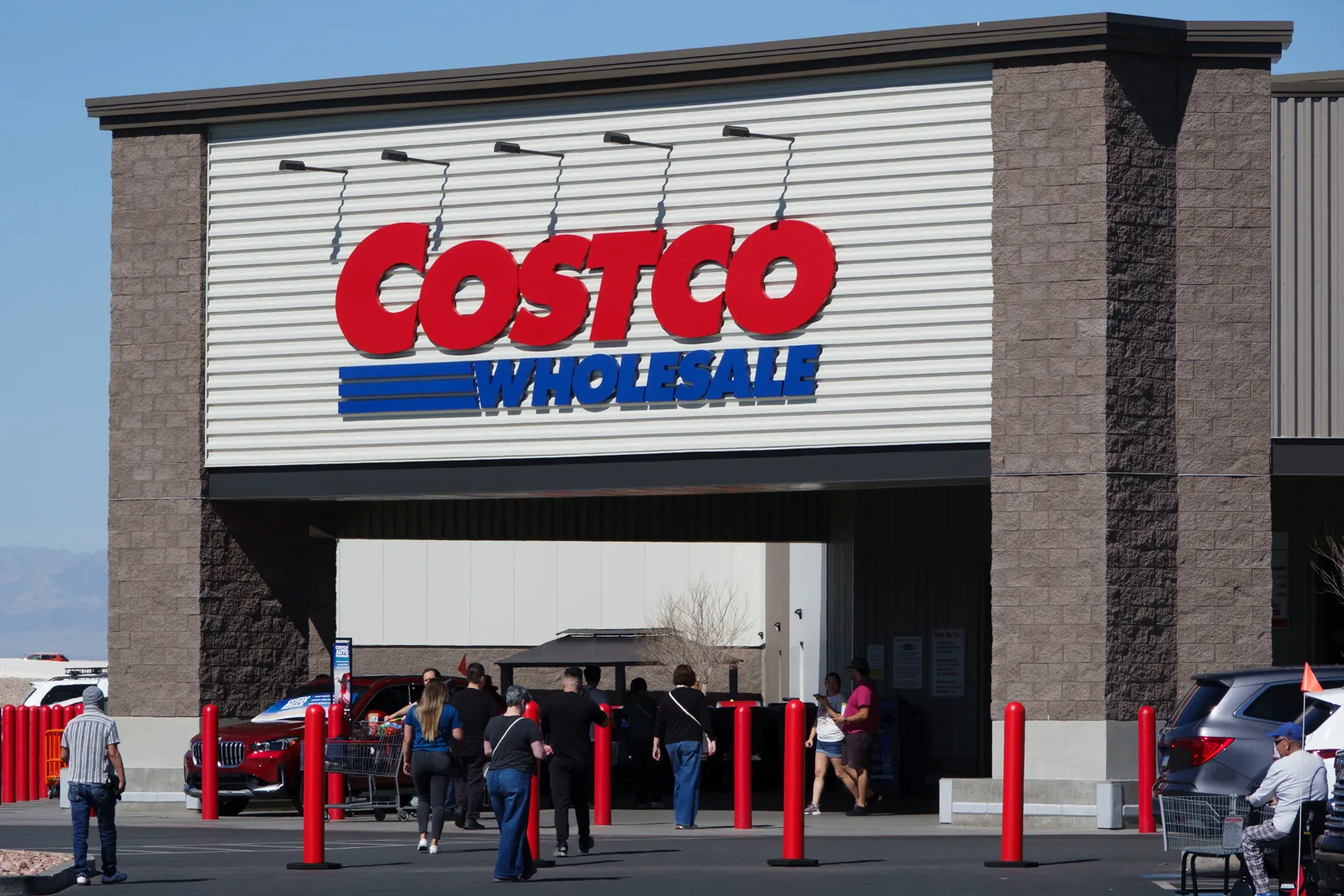
Costco has become a key player in the ongoing dispute regarding tariff refunds. The retail giant initiated legal action against the Trump administration late last year to recover duties incurred as a result of his economic policies. Concurrently, Costco is also facing lawsuits from consumers who seek a portion of any reimbursements the company may receive.
According to company executives, Costco’s commitment to maintaining competitive pricing remains strong. They have indicated that costs associated with tariffs, which were invalidated in 2025 and subsequently passed on to consumers, could potentially lead to lower prices on everyday products in the future.
However, many customers are skeptical of these promises. Following the Supreme Court’s decision in February to invalidate the Trump administration’s International Emergency Economic Powers Act (IEEPA) tariffs, a trade court mandated that the federal government establish a refund system. Recently, the government’s portal, referred to as the “CAPE” system, has officially initiated its first phase.
Costco is expected to seek substantial refunds on tariffs, joining numerous other companies that import goods and materials for resale. While the retailer has not disclosed its specific IEEPA-related expenses, it mentioned last year that approximately one-third of its sales consist of imported products.
In a March 5 earnings call, Costco CEO Ron Vachris commented briefly on the topic of tariff refunds, acknowledging its significant importance to the company’s 82 million members. He stated, “The future impact of tariffs remains extremely fluid,” noting that the recently lifted IEEPA tariffs have now been substituted with new global tariffs for at least the next 150 days. He emphasized that the company is working diligently to combat the impact of tariffs on retail prices.
The company has previously recognized that tariffs affected the pricing of specific items, including flowers sourced from South and Central America, despite its efforts to keep prices manageable. Vachris noted that although tariffs did put pressure on Costco’s margins, the retailer had chosen not to pass the complete cost onto its customers.
To mitigate the effects of tariffs, Costco has adjusted its sourcing strategies and has increased its focus on its private label brand, Kirkland Signature. However, company officials have refrained from committing to direct refunds for customers at this time—a stance shared by other retailers in similar situations. Only shipping companies, such as FedEx and UPS, have indicated they would offer refunds contingent on the processing of tariff reimbursements.
A March 11 lawsuit filed by Illinois resident Matthew Stockov seeks to prevent Costco from “double recovery,” which could involve charging higher prices to consumers while retaining the tariff refunds from the government. This legal action requests that Costco repay customers for any IEEPA tariff costs they have absorbed.
During the earnings call, Vachris acknowledged the ambiguity surrounding the refund process: “It is not yet clear what the process will be, what refunds, if any, will be received, and when this will happen.” Historically, the company has shared legal recoveries with its members when prices rise, and it remains intent on upholding this practice.
Vachris added, “Our commitment will be to find the best way to return this value to our members through lower prices and better values. We will be transparent in how we plan to do this.” However, the complaint from Stockov labeled this commitment as insufficient, arguing that it lacks a dedicated promise to compensate those who previously paid higher prices.
Another class-action lawsuit filed against Costco on March 27 echoed these sentiments, arguing that Vachris’s statement merely redirects the benefits of refunds to future shoppers while allowing Costco to profit from the excess charges imposed by the now-invalid tariffs.
This issue transcends Costco, impacting various retailers pursuing tariff refunds from the Trump administration, all of whom are likely to face similar criticisms over price relief that does not benefit consumers who suffered the initial costs.
Costco has not specified which products might see price reductions once it potentially receives its tariff reimbursements. In recent remarks, Vachris indicated that the company is already reducing prices on “certain textiles, bedding, and cookware SKUs” following the Supreme Court ruling.