5 mins read
By Kriszta Grenyo, Chief Operating Officer, Suff Digital
Trade credit has anchored B2B commerce for centuries. The idea is simple. A supplier provides goods or services, and the buyer pays later, usually within 30 to 90 days. The arrangement works as a short-term loan with no interest charge, extended as a standard courtesy of doing business.
So is it still relevant in 2026, when digital payment platforms settle transactions in seconds and embedded finance tools can hand buyers instant working capital? I would argue that trade credit is not dying. Instead, it is evolving into something more sophisticated. But many businesses are not keeping up with that evolution.
The Case for Trade Credit Still Being Valuable
For buyers, trade credit remains one of the cheapest forms of short-term financing available. There is no interest charge if you pay within terms. The approval process rests on a trading relationship rather than a credit application. And it gives genuine flexibility in managing cash flow.
For suppliers, extending trade credit is often a competitive necessity. In many B2B sectors, buyers simply expect it. Refusing to offer payment terms can cost you the relationship, particularly with larger clients who run their own cash management playbooks.
So the fundamental value exchange has not changed. What has changed is the technology available to manage and optimize it.
Where Traditional Trade Credit Falls Short
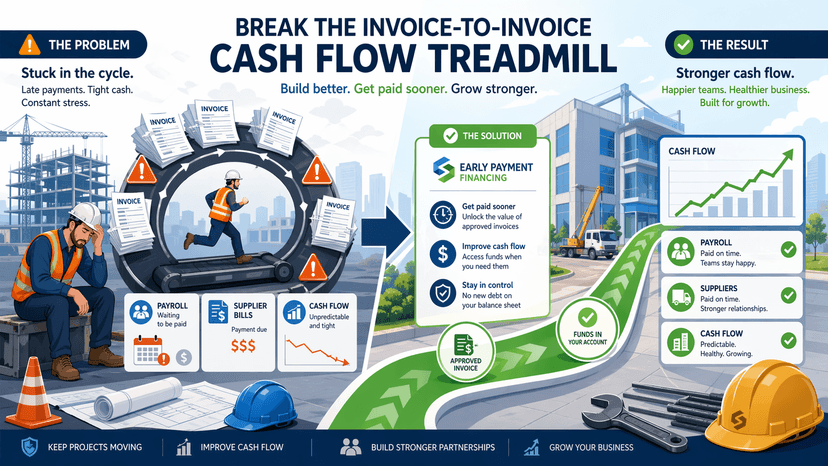
The problem with traditional trade credit is that the arrangements are blunt instruments. Standard terms get set without real analysis of the buyer’s credit risk or the supplier’s own cash flow needs. Both sides end up somewhat dissatisfied. Buyers want longer terms. Suppliers want to get paid sooner. And neither side has visibility into whether the current arrangement works for either party.
Late payment is also a systemic problem. Research from Coface shows 90% of UK businesses are facing payment delays, with SME suppliers bearing the most risk. When a large buyer pays a small supplier 60 days late, the impact can be severe. The 60-day invoice black hole quietly decimates SMB agility long before any formal default happens.
Meanwhile, QuickBooks research found US small businesses are now owed more than $17,000 each on average in outstanding invoices. Those unpaid balances do not just delay cash flow. They constrain hiring, investment, and the ability to take on new work.
The New Layer: Fintech and Dynamic Trade Finance
What fintech has brought to trade credit is optionality and data. Platforms now exist that let buyers and suppliers negotiate payment terms dynamically, with financing provided by a third party at a cost reflecting the real risk profile of the transaction.
What used to take days of manual credit analysis now happens through API-driven underwriting. Fintech platforms pull real-time data from accounting systems, bank feeds, and transaction histories to assess risk continuously rather than at a single point in time. As a result, trade credit is no longer a static courtesy of doing business. It is a negotiated, priced, monitored financial arrangement.
Supply chain finance programs let buyers maintain their payment terms while suppliers get paid early. Buyers effectively access a credit facility secured against their strong credit rating. Suppliers, meanwhile, benefit without needing their own financing relationship. For a walkthrough of what to look for when evaluating providers, the fintechbits supply chain finance provider guide for SMEs is a sensible starting point.
Dynamic discounting adds another dimension. Buyers with surplus cash can offer suppliers the option of early payment in exchange for a small discount. The supplier chooses whether to accept based on their current cash position. That flexibility is something traditional trade credit simply cannot provide.
And then there is B2B Buy Now Pay Later, which now competes directly with supplier-extended terms. If you are weighing the two models, this comparison of B2B BNPL vs trade credit is worth reading.
How to Rebuild Your Trade Credit Strategy
If you are a supplier still relying entirely on standard 30 or 60-day terms, review whether you have access to supply chain finance or invoice financing tools that could reduce your exposure to late payment without disrupting client relationships. The Kaplan Group reports that 55% of all B2B invoiced sales in the US are now overdue, so relying on client goodwill alone is a losing strategy.
If you are a buyer using trade credit as a cash management tool, think about whether your suppliers can genuinely afford the terms you are requiring. In a world where your supplier can access fintech alternatives, your trading relationship may be more fragile than it appears. Meanwhile, late payment crises hit finance teams harder than most boards realize, and suppliers absorbing that pain often make purchasing decisions based on who pays on time, not who pays the most.
Trade Credit Is Not Dead, Just Layered
Trade credit in 2026 is not dead. It is not even in decline. But the businesses getting the most out of it are the ones layering digital finance tools on top of the traditional model, creating arrangements that work better for everyone in the chain.
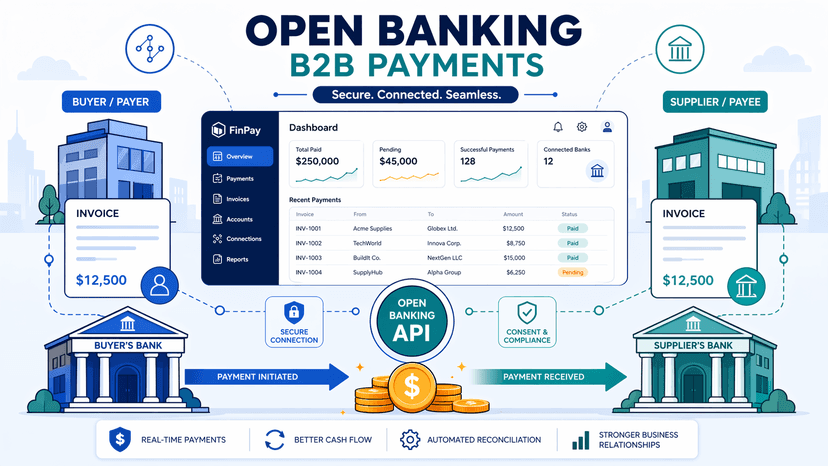
The ones losing ground are those treating trade credit as a relationship artifact rather than a financial instrument. Meanwhile, adjacent shifts like open banking quietly fixing B2B payments are making it easier to combine the trust of an established trading relationship with the speed and data of modern financial infrastructure.
So the question is not whether to keep offering or using this tool. The question is what you are layering on top of it.
Kriszta Grenyo is the Chief Operating Officer at Suff Digital, a performance-driven digital marketing agency. She oversees operations and delivery for a team working with growth-focused businesses across multiple sectors.