

Artisan’s Hiring Journey: Lessons from Early Mistakes
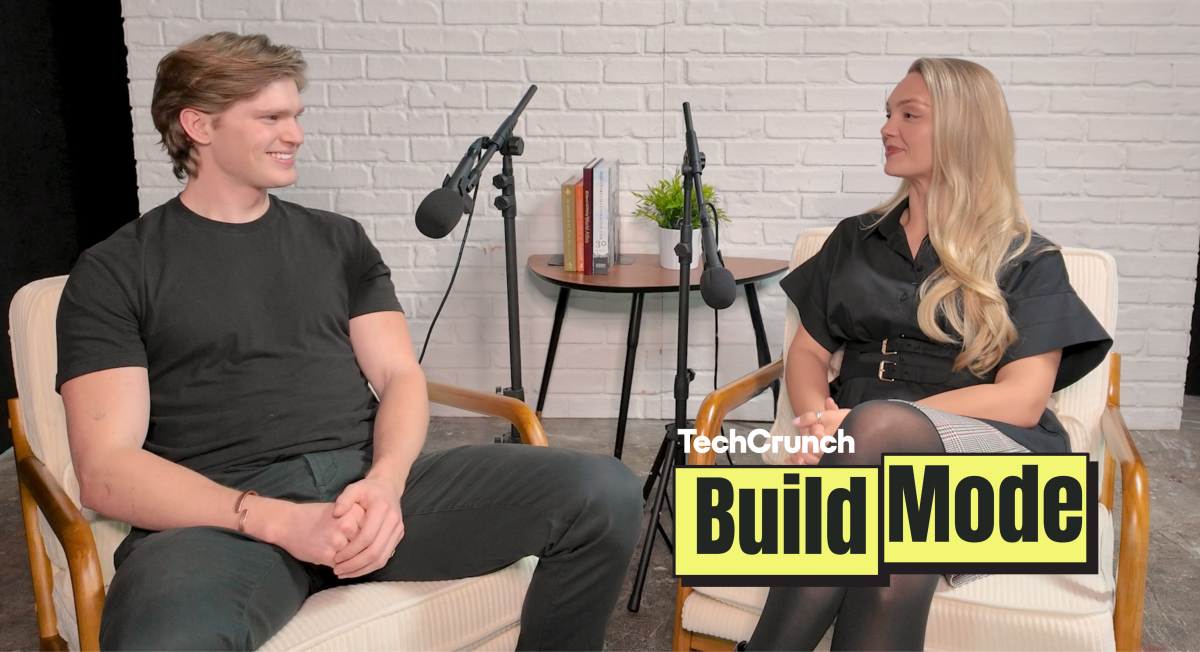
Artisan, an emerging player in the AI sector with its well-publicized “Stop Hiring Humans” campaign, illustrates a key lesson for startups: assembling the right team is crucial for sustainable growth. As an AI company focused on automating sales and customer engagement, Artisan has faced its share of hiring challenges. In a recent episode of Build Mode, co-founder and CEO Jaspar Carmichael-Jack shared insights into their experiences with scaling and the hiring missteps that nearly derailed their mission.
Mistakes in hiring can quickly snowball, leading to wasted time, diminished morale, and operational delays that are often detrimental to a nascent startup. Carmichael-Jack reflected on his journey, stating, “We’ve hired over 100 people to maintain a current team of 40.” Each misstep, however, became a learning opportunity, allowing the leadership team to refine its hiring strategy.
Challenges of Overhiring
One of the primary hurdles in scaling a startup is managing team size effectively. Carmichael-Jack noted that maintaining cohesion among a larger team poses challenges that can hinder growth. “I initially thought we could accelerate our scaling by hiring rapidly, but I soon realized this strategy made scaling more complex,” he explained. In the early stages, every team member should have enough work to avoid downtime; hiring should occur only when the workload exceeds the current team’s capacity.
Evaluating Experience Beyond Big Names
Among the misconceptions in recruitment is the tendency to equate a strong résumé—particularly experiences with renowned tech companies—with readiness for startup challenges. Carmichael-Jack emphasized that the attributes of a successful candidate at a startup extend beyond their past associations; the relevant skills and genuine passion are far more vital than prestigious logos on a curriculum vitae.
Finding the Right Level of Experience
Another pitfall in the hiring process is attracting candidates at inappropriate career levels. Those too seasoned may struggle to adapt to the fast-paced and often chaotic environment of a startup, while overly junior hires may lack the expertise necessary to execute critical functions effectively. Striking the right balance is essential in nurturing a capable and agile team.
Timeliness in Hiring and Firing
When it comes to the hiring process, a meticulous approach is crucial. Carmichael-Jack cautioned against the temptation to rush judgments, even when faced with impressive candidates. Conversely, decisive action is necessary when team members do not align well with the company’s objectives. He admitted, “In our early days, we delayed decisions for far too long, and it rarely resulted in positive outcomes.” Recognizing when a hire is not a fit is crucial, as both the candidate and the organization typically sense the mismatch.
Carmichael-Jack’s experiences highlight that effective hiring transcends routine operational tasks; it is a fundamental strategic initiative. The consequences of a poor hire can extend beyond lagging productivity; they can reshape corporate culture and complicate future recruitment efforts. Conversely, the right hires can facilitate accelerated growth and cohesion within the team.
Ultimately, even a company focused on automating personnel recognizes the timeless truth every founder learns: scaling a business necessitates human talent—the key is to ensure it’s the right talent.