The Impact of Artificial Intelligence on Employment Opportunities in Ireland
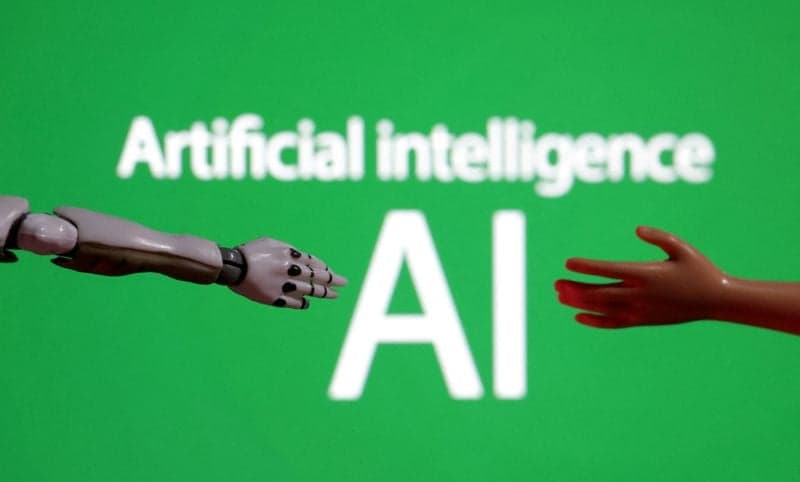
DUBLIN, Feb 18 (Reuters) – Recent findings indicate that artificial intelligence (AI) is negatively affecting job prospects in various sectors of Ireland’s tech-driven economy, especially for young graduates, according to a study conducted by the Irish Department of Finance.
Current Employment Trends for Young Graduates
Ireland’s robust labor market is reportedly more susceptible to AI innovations than many other advanced economies. This vulnerability stems from a significant presence of roles within knowledge-intensive sectors, including technology, science, and financial services, as highlighted by the Department of Finance.
Impact on Job Growth in AI-Exposed Sectors
Between 2023 and 2025, employment in categories deemed at risk from AI disruption, such as technology and financial services, experienced a moderate increase of approximately 4%. In contrast, sectors classified as medium-risk saw a growth of 4.5%, while those with low-risk stood at a notable 6.25%.
Youth Employment Decline in High-Risk Industries
Within the “at-risk” sectors, employment for individuals aged 15 to 29 decreased by 1% during the same period, with a striking 20% drop specifically in technology firms. This starkly contrasts with a 12% rise in jobs for tech workers aged 30 to 59, illustrating a worrying trend for younger job seekers.
Growth in AI-Resilient Sectors
Interestingly, sectors less influenced by AI have witnessed a significant uptick in employment among younger workers, outpacing their older counterparts. This growth suggests that the challenges faced by youth in the labor market may not stem from a broader slowdown, but rather from the unique disruptions caused by AI advancements.
Strategic Government Response to Workforce Disruption
Finance Minister Simon Harris highlighted the urgency of the findings, indicating that Ireland might be at the forefront of changes within the AI labor market. He emphasized the necessity for the Government to invest significantly in upskilling and reskilling workers in sectors vulnerable to AI disruption.
Looking Ahead: Preparing for an AI-Driven Future
As AI continues to evolve, its implications for the job market will likely intensify. Therefore, proactive measures must be taken to equip the workforce, especially younger graduates, with the skills necessary for success in a rapidly changing environment. Fostering an adaptable labor force is essential for mitigating the adverse effects of AI and capitalizing on the opportunities it presents.