Tesla’s Texas Workforce Faces Significant Reduction Amid Sales Decline
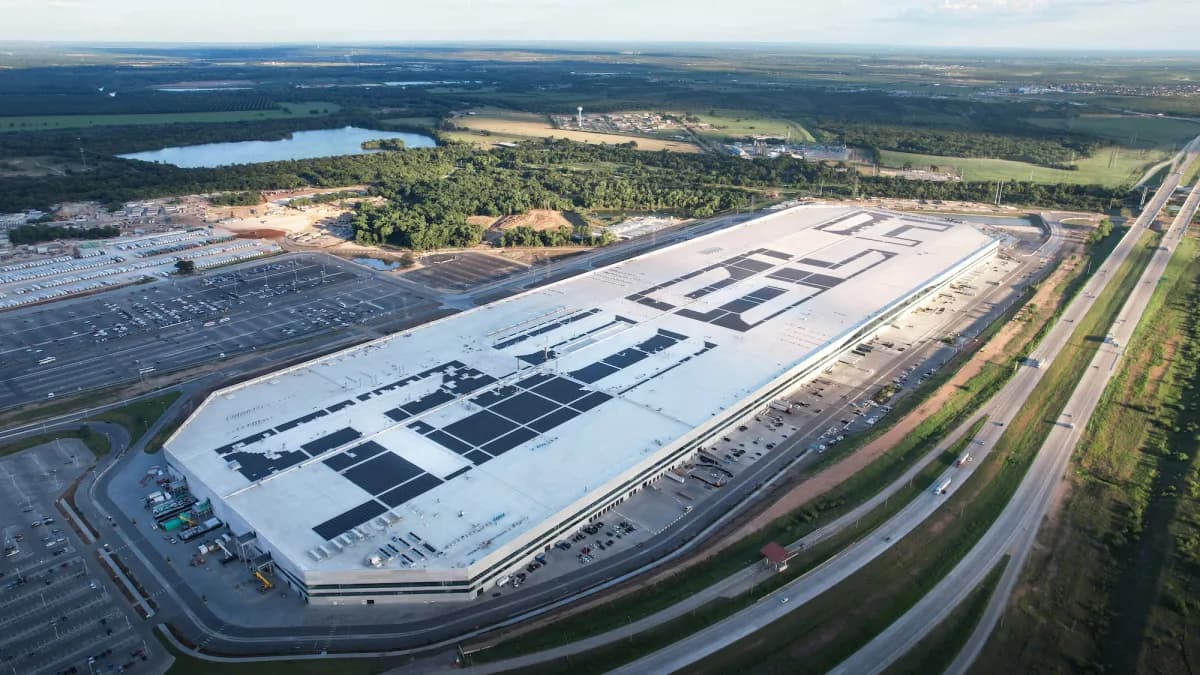
A compliance report recently highlighted a notable decrease in Tesla’s workforce at its factory located near Austin, Texas, as the company grapples with its second consecutive year of declining sales. This analysis, identified by the Austin American-Statesman, sheds light on the evolving employment landscape at one of the leading electric vehicle manufacturers.
The number of employees at Tesla’s Austin factory plummeted from 21,191 in 2024 to 16,506 by 2025, marking a sharp reduction of 22%. This decline stands in contrast to the overall growth of Tesla’s global workforce, which increased from 125,665 employees in 2024 to 134,785 in 2025, as documented in filings with the U.S. Securities and Exchange Commission.
The report does not specify which teams within the plant were most affected by this workforce downsizing. Nevertheless, Tesla has established itself as one of the largest employers in the Austin area since the factory commenced operations in 2022. This expansion aligns with CEO Elon Musk’s strategic decision to relocate Tesla’s headquarters to Texas in 2021, prior to the factory’s opening.
Investments in the Austin facility have exceeded $6.3 billion to date, underscoring Tesla’s commitment to its operations in the region. Despite this financial investment, the recent workforce reduction raises questions about the company’s production strategies and market demand, particularly in light of the ongoing industry challenges.
As Tesla navigates these changes, it remains to be seen how the company will adjust its operational focus to drive sales and meet consumer expectations. The decline in employment at the Austin factory may reflect broader trends within the electric vehicle sector, as companies reassess workforce needs in an evolving market landscape.
The dual reality of expanding global employment yet reducing local staffing highlights the complexities within Tesla’s operational framework. Stakeholders, including investors and industry analysts, will be closely monitoring how these developments unfold within the context of the company’s strategic goals and market performance.
Overall, Tesla’s significant employment shift underscores the volatile nature of the electric vehicle market, which is increasingly influenced by technological advancements, competition, and shifting consumer demand. As the company seeks to regain momentum, its actions in Texas will likely serve as a critical barometer for future growth prospects.