OpenAI’s Vision for 2026: Embracing Practical Adoption of AI
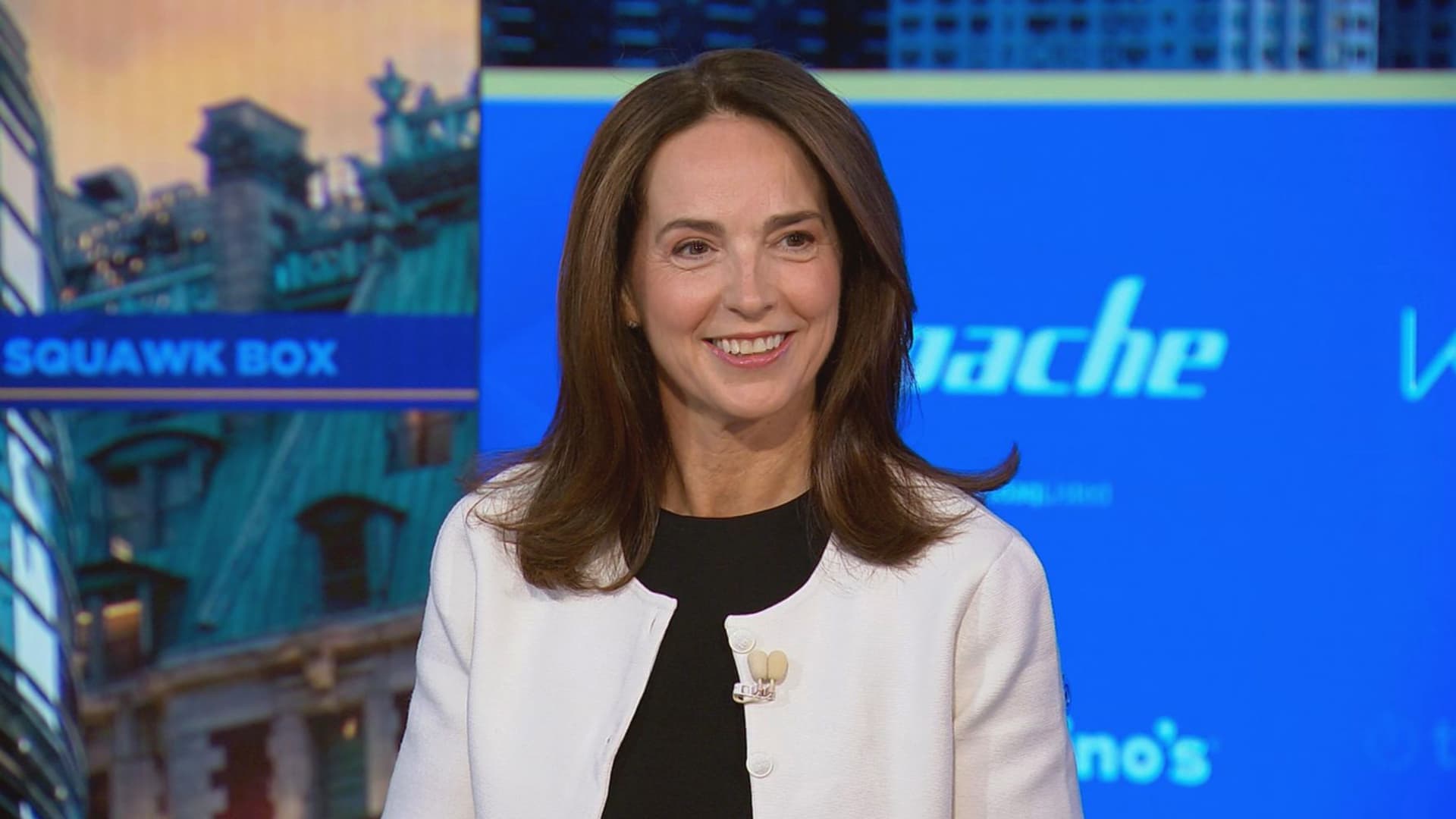
On August 20, 2025, Sarah Friar, the Chief Financial Officer of OpenAI, shared insights on CNBC’s Squawk Box regarding the company’s future direction. She emphasized that 2026 will mark a significant shift towards the practical adoption of artificial intelligence technologies.
Bridging the Gap in AI Utilization
In a recent blog post, Friar articulated OpenAI’s commitment to closing the gap between existing AI capabilities and their everyday applications for individuals, businesses, and governments. “The opportunity is vast and immediate,” she noted, with a particular focus on sectors like healthcare, science, and commerce, where enhanced intelligence can lead to significantly improved outcomes.
Sustained Growth Through Strategic Infrastructure Investment
Friar outlined OpenAI’s strategy to drive monetization through its flagship services, including ChatGPT. She highlighted the direct correlation between the company’s revenue and the availability of robust technological infrastructure. OpenAI’s compute capacity soared from 0.2 gigawatts in 2023 to approximately 1.9 gigawatts by 2025, mirroring a revenue increase from $2 billion to over $20 billion during the same period.
Challenges and Opportunities in AI Investment
As the AI industry faces escalating scrutiny over the substantial investments required for data centers and computing power, Friar stressed the essential nature of this infrastructure for customer adoption and revenue growth. “Greater compute capacity during these critical periods would have accelerated customer engagement and monetization,” she remarked.
Partnerships and Future Potential
An important development in OpenAI’s future is its partnership with Nvidia, which involves a notable commitment of $100 billion to support the AI startup’s expansion. This partnership includes plans to deploy at least 10 gigawatts of Nvidia systems, a substantial investment aimed at enhancing AI capabilities.
Transitioning to a Diverse Computing Ecosystem
Friar also reflected on the evolution of OpenAI’s operational framework. Transitioning from a singular compute provider to a diverse ecosystem has positioned the company to better plan, fund, and deploy essential capabilities in a competitive market where compute access becomes a defining factor of success.
Innovative Business Models and Future Prospects
Looking ahead, Friar indicated that as AI technologies expand into domains such as scientific research and financial modeling, OpenAI’s business model is set to evolve. “New business models will undoubtedly emerge,” she stated, emphasizing the company’s commitment to delivering value through innovative applications of artificial intelligence.
Monetization and User Experience
In her blog post, Friar also mentioned OpenAI’s intention to commence testing advertisements for selected ChatGPT users in the U.S., a move signaling the company’s readiness for potential public debut in 2026. “Monetization should be native to the experience,” she concluded. “If it doesn’t add value, it has no place.” This approach underscores OpenAI’s dedication to embracing ethical and consumer-friendly monetization strategies as it charts a new course in AI.