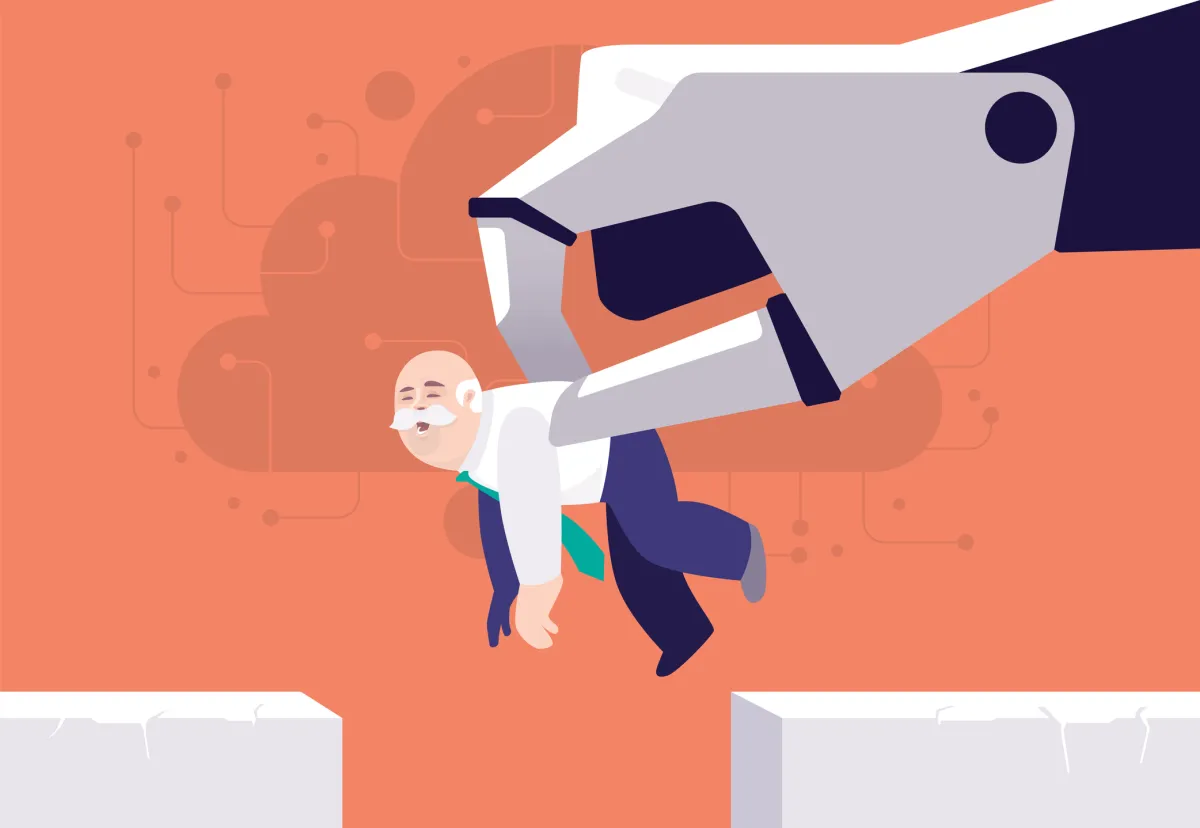
Growing Acceptance of AI in the Workplace
Would you prefer a chatbot over a human manager? An increasing number of Americans are leaning towards that option. A recent Quinnipiac University poll reveals that 15% of respondents would consider a job where their direct supervisor is an AI program responsible for assigning tasks and managing schedules. Conducted between March 19 and 23, 2026, the survey included 1,397 U.S. adults and addressed topics surrounding AI adoption, trust, and job security concerns.
Human Managers Still Hold the Majority
While the poll indicates a significant willingness to embrace AI as supervisors, most participants remain reluctant to give up their human bosses. Nevertheless, the integration of AI in supervision roles is on the rise, even when it does not entail overseeing entire teams. The trend points to a shift in workplace dynamics, with AI gradually stepping into management functions.
AI Solutions Transforming Organizational Roles
Companies like Workday have introduced AI agents capable of managing tasks such as filing and approving expense reports on behalf of employees. Similarly, Amazon has implemented new AI workflows that have taken over some middle management duties, resulting in the layoff of thousands of managers. In a fascinating twist, Uber engineers have developed an AI model that mimics CEO Dara Khosrowshahi, enabling them to field pitches without interacting with their actual boss.
The Great Flattening in Management Structures
The elimination of managerial layers has led to what some experts are referring to as “The Great Flattening.” This systemic transformation raises the prospect of entirely automated companies, potentially functioning with just one human member alongside a suite of AI-powered executives. Such models could redefine the traditional corporate landscape, emphasizing efficiency and cost savings.
Job Security Concerns Amidst AI Integration
Despite the growing acceptance of AI in supervisory roles, many Americans express significant concerns regarding their job prospects. According to Quinnipiac’s survey, 70% of respondents believe that advancements in AI will inevitably reduce job opportunities. Among those currently employed, 30% voiced either strong or moderate concerns that AI technology could render their positions obsolete.
A Shift in Workforce Dynamics
The increasing reliance on AI not only impacts managerial roles but also affects the broader job market. As companies seek to optimize efficiency through technology, workers face a dual challenge: adapting to new tools and navigating potential job displacement. The dialogue surrounding AI’s role in the workplace is likely to evolve as more organizations adopt these technologies in various capacities.
The Road Ahead for AI in Management
As AI continues to permeate corporate structures, its implications for the workforce remain a hot topic. The balance between embracing innovation and safeguarding job security is crucial. The future will likely witness a growing intersection of human and machine roles, compelling professionals to rethink their understanding of management and employment in an increasingly automated world.