The Future of AI and Its Economic Implications: Insights from Federal Reserve Governor Michael Barr
AI’s Role in Enhancing Worker Productivity
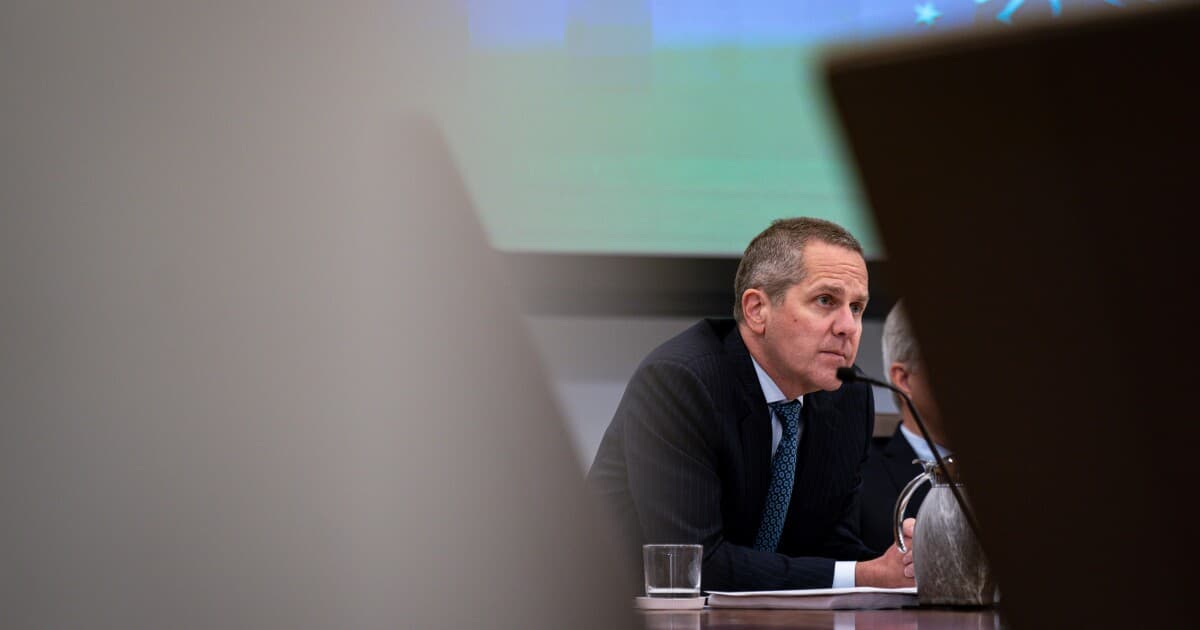
Federal Reserve Governor Michael Barr highlighted that the economy is currently in a phase where artificial intelligence (AI) is most likely to gradually boost worker productivity without triggering widespread layoffs. Speaking at a recent event, Barr emphasized the importance of understanding the nuanced impact of AI on the labor market and the overall economy.
Current AI Adoption Rates
According to a study referenced by Barr, only 17% of companies are currently utilizing AI technologies. This suggests that while interest in AI is growing, widespread implementation remains limited, with many organizations still experimenting with its applications. As this trend evolves, the potential for AI to enhance productivity and operational efficiency remains significant.
Preparing for Potential Challenges
Barr advised that policymakers must ready themselves for worst-case scenarios, which could include a destabilized labor market or an AI failure leading to significant investor losses. He outlined three potential economic pathways: gradual adoption of AI, rapid displacement of workers, and scenarios where AI investments do not deliver on their promises.
Gradual Adoption and Its Benefits
In Barr’s optimistic outlook, AI could act as a “general-purpose technology,” gradually increasing productivity and contributing positively to research and development. He expressed hope that this gradual integration would enhance various sectors, from energy efficiency to healthcare advancements, without drastically disrupting the job market. This scenario aims for a manageable transition rather than a tumultuous shift.
Risks of Rapid Adoption and AI Failures
Conversely, Barr outlined the risks associated with rapid AI adoption, which could lead to an “unemployment boom” and significant social challenges. If AI fails to improve productivity as anticipated, financial firms might also face increased risks, echoing historical overinvestment patterns. Barr underscored that the balance of risk may shift from the labor market to the financial sector in such a scenario.
Macroeconomic Stability and Inflation Control
Assessing the broader economic environment, Barr remarked that the labor market has stabilized post-slowdown but remains fragile. With job creation stagnating and layoffs at a low, he emphasized the need for cautious monetary policy. He indicated that holding interest rates steady may be appropriate while evaluating ongoing economic data, especially given persistent inflationary pressures.
The Importance of Policy Adaptation
Ultimately, Barr conveyed that whether AI enhances or disrupts the economy hinges on agile policy responses. He warned that technological advancements require time for integration into existing business frameworks. Policymakers must consider investing in worker support and retraining initiatives to navigate the complexities of AI’s impact on the job market effectively.
Conclusion
As we stand at the intersection of AI innovation and economic transformation, the insights from Governor Michael Barr highlight the dual nature of this technology. While the potential for increased productivity exists, proactive measures are essential to ensure that the transition benefits all segments of society. The journey ahead will require a careful balancing act between fostering innovation and mitigating risks.