SpaceX Joins Lunar Ambitions as NASA Resumes Moon Missions
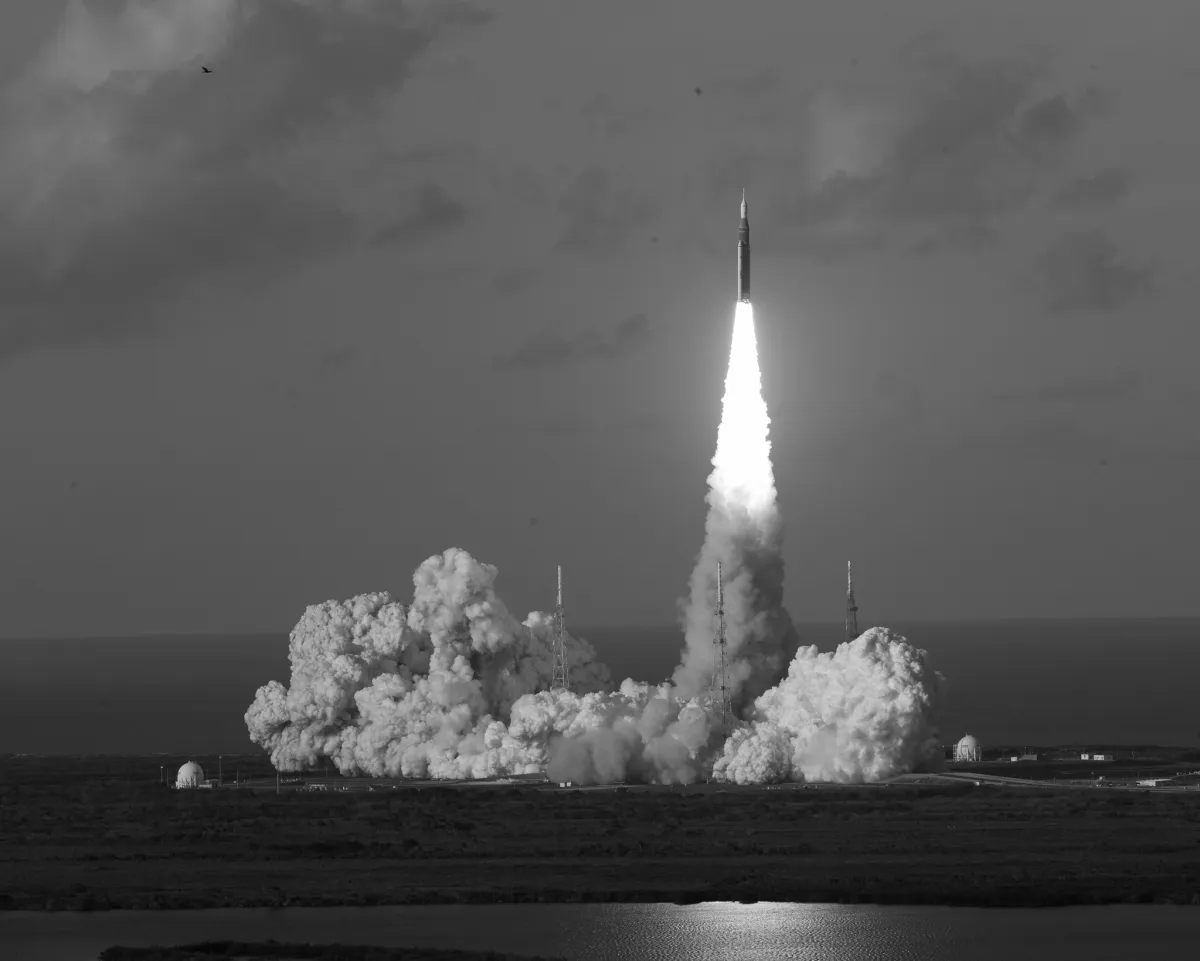
SpaceX’s recent IPO coincided with a monumental milestone for NASA, marking the agency’s first crewed lunar mission in 54 years. This timing is particularly significant, as it is likely NASA’s last endeavor to send astronauts to deep space without substantial assistance from private companies that have emerged from the venture-backed technology sector.
Historical Context of NASA’s Lunar Initiatives
The roots of NASA’s current lunar campaign extend back to the second Bush administration, which initiated the development of a powerful rocket along with a spacecraft named Orion to facilitate a return to the moon. By 2010, however, the program had encountered significant cost overruns and was scaled down, subsequently merging with new initiatives aimed at supporting private enterprises that were constructing their own orbital rockets.
Impact of Private Sector Participation
This pivotal decision not only salvaged a crucial contract for SpaceX but also catalyzed a surge of venture capital into the field of extraterrestrial technology. It also led to the creation of the Space Launch System (SLS) rocket, which is currently transporting a crew of three American astronauts and one Canadian around the moon and back.
Get fintech insights, deals, and updates before everyone else
Join 1,000+ fintech professionals
The Power of Space Launch System
Currently, the SLS stands as the world’s most powerful operational rocket, having launched just once prior to this week’s historic mission. That initial flight, which included an empty Orion spacecraft, served as a test for the current mission that aims to set records for the farthest human travel into the solar system.
Future Lunar Exploration Competition
Looking ahead, the spotlight will shift to SpaceX and Jeff Bezos’ Blue Origin as both companies vie to become the first to place astronauts on the lunar surface. The SLS and Orion spacecraft were developed by NASA’s traditional contractors, Boeing and Lockheed Martin, with contributions from Airbus Defense and Space. While these vehicles have faced challenges such as delays, budget overruns, and logistical obstacles, SpaceX has been busy launching a fleet of affordable reusable rockets, triggering a significant investment wave in the private space sector.
Addressing the Lack of Lunar Landers
When NASA recommitted to lunar exploration in 2019, it felt compelled to retain the SLS and Orion, despite the pressing need for a lunar lander that could transport astronauts from orbit to the moon’s surface. To address this gap, NASA turned to a new generation of venture-backed space firms and began collaborating with private companies like Firefly Aerospace and Intuitive Machines for deploying robotic landers for reconnaissance and testing.
Strategic Changes Under New Leadership
In a bid to fulfill its lunar ambitions, SpaceX successfully secured a contract in 2021 to utilize its Starship rocket for lunar landings. Although the decision sparked controversy due to the logistical challenges involved in transporting the massive vehicle to the moon, NASA decided to delay its lunar landing attempts to reevaluate the program. Jim Bridenstine, former NASA administrator, expressed concerns about the decisions made in the absence of a Senate-confirmed leader, suggesting a lack of strategic foresight.
Upcoming Tests and the Competitive Landscape
In 2023, Blue Origin was added to the lineup to develop its own human landing system. As part of its evolving strategy, NASA plans to conduct a crucial test in 2027 to assess Orion’s capability to rendezvous with one or both landers in orbit ahead of potential landings slated for 2028. This timeline places increased focus on SpaceX’s upcoming Starship tests and Blue Origin’s plans for its lander, scheduled for evaluation this year. Under the new leadership of NASA Administrator Jared Isaacman, significant program changes have been introduced, reflecting a shift toward harnessing the capabilities of private space companies.
Geopolitical Implications of Lunar Exploration
Meanwhile, with China set on sending its own astronauts to the moon by 2030, any delays or miscalculations could carry serious geopolitical ramifications. Silicon Valley has struggled to outpace Chinese enterprises in sectors like electric vehicles and robotics. However, SpaceX has emerged as an aspirational model for many entrepreneurs in China. By making strides toward lunar exploration, Silicon Valley has an opportunity to showcase its ability to remain at the forefront of technological advancements.