The Rise of AI in Personal Finance Management
In recent years, artificial intelligence (AI) has transitioned from a novel technology to an essential tool for many Americans. From quickly generating recipes based on the ingredients you have at home to crafting tailored workout plans and offering date night ideas, AI tools can provide instant responses right from your smartphone.
AI in Financial Insights
Many individuals are now using AI for financial insights, with data showing a significant reliance on these platforms. A study from FNBO’s 2025 Financial Wellbeing Study revealed that 46% of Americans have turned to AI tools like ChatGPT for personal finance management, while an additional 50% trust AI for financial advice.
Utilizing AI for Financial Planning
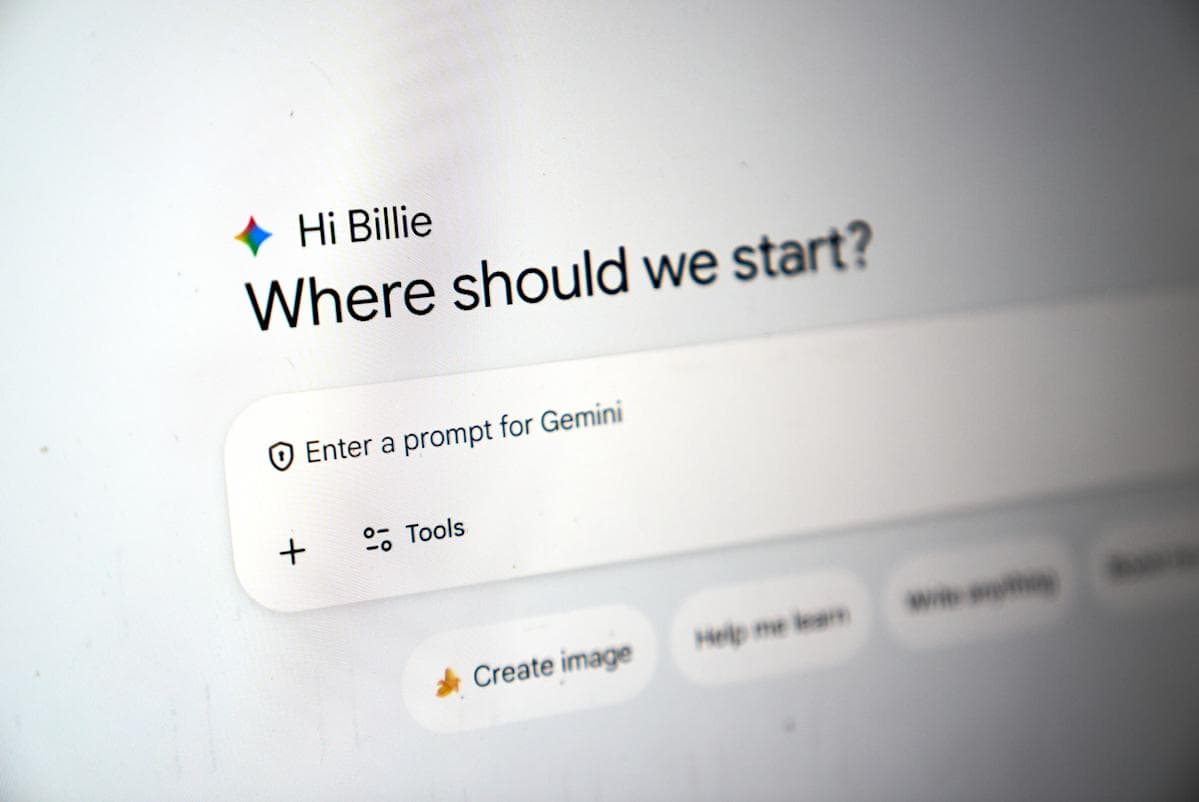
AI offers multiple avenues for enhancing financial management. Many financial institutions harness the power of AI to enhance chat support, detect fraudulent activities, generate personalized credit scores, and provide tailored product recommendations. By putting these tools directly in the hands of users, platforms like ChatGPT and Gemini enable individuals to make informed decisions about their finances.
Collaboration Between AI and Human Advisors
According to Andrew Latham, a certified financial planner at SuperMoney.com, “The steps a good planner takes—analyzing cash flow, spotting blind spots, testing goals—are methodical processes. AI can learn to execute these tasks effectively given the right information.” He believes that while the capabilities of AI are advancing, human advisors still provide invaluable elements like relationships and accountability that AI cannot replicate.
Privacy Concerns with AI Deployment
Despite the advantages, users and experts voice significant concerns regarding AI. As individuals share more information with AI systems to receive personalized advice, the potential for scams and privacy breaches increases. A 2024 study by PYMNTS.com highlighted worries about dependency on technology and risks associated with privacy violations.
AI Security Challenges
A 2025 report by IBM found that 13% of organizations experienced breaches of AI systems, revealing a worrying gap between AI adoption and monitoring practices. “Bad actors are beginning to exploit these gaps,” said Suja Viswesan, a vice president at IBM, highlighting the necessity for robust AI security as it becomes more integrated into business operations.
Responsible Use of AI in Finance
AI can be an invaluable asset for those who may not afford in-person financial consultancy. However, it’s essential to employ these tools responsibly to protect personal information. Reviewing privacy policies, being cautious about oversharing, and never allowing AI to make final decisions are crucial steps toward ensuring safe and effective use. As Andrew Latham aptly puts it, “Use AI to expand your thinking, not to outsource your judgment.”
Discover more on improving your finances with AI in our article, How to Use AI to Improve Your Finances.
This HTML format includes relevant headings, SEO keywords, and structured content to enhance readability and engagement while ensuring informative coverage of the topic.