

Financial Services Shares Decline Amid AI Tax Planning Launch
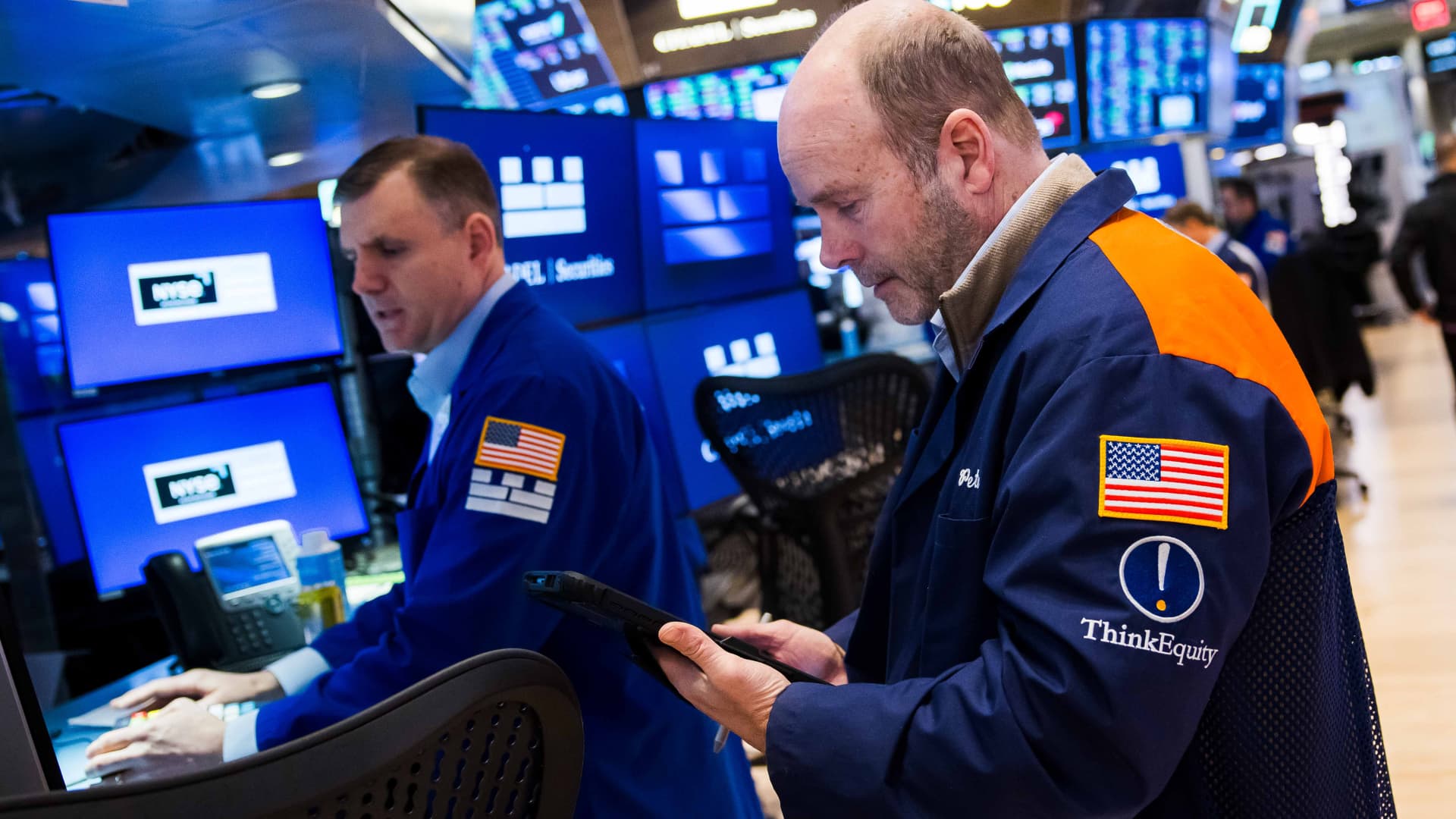
Traders at the New York Stock Exchange observed significant market movements on February 10, 2026, following the debut of a groundbreaking AI-driven tax planning tool.
Impact on Financial Services Stocks
On Tuesday, shares of several financial services companies experienced notable declines. The market reacted strongly to the introduction of a new artificial intelligence-powered tax planning tool, which claims to streamline tax strategies for clients in mere minutes.
Major Players Feeling the Pinch
LPL Financial saw a staggering decrease, closing 8.31% lower after an 11% drop at midday. Similarly, Charles Schwab fell by 7.42%, while Raymond James Financial experienced an 8.75% decline. Concerns regarding the potential disruption of the financial sector by AI technologies contributed heavily to these market shifts.
General Market Reactions
Even Morgan Stanley registered a decrease of 2.4%, indicating a broad apprehension among investors about the impending changes in the industry.
Details About the New AI Tool
The newly launched technology platform, named Hazel, is designed to enable financial advisors to craft personalized tax strategies for their clients. By analyzing various data inputs such as 1040s, pay stubs, account statements, and client communications, Hazel applies sophisticated tax logic to provide customized solutions quickly.
The Future of Financial Advisory with AI
As the integration of AI into financial services continues to evolve, professionals in the industry may need to adapt to new technologies that prioritize efficiency and cost-effectiveness. The concern lies in whether traditional methods can compete with AI’s speed and accuracy.
Conclusion: Navigating the Changing Landscape
The introduction of AI-driven solutions like Hazel signifies a pivotal moment for financial advisors and institutions. While this technology creates opportunities, it also poses significant challenges for companies that must now reconsider their strategies to remain competitive in an increasingly automated landscape.