

The Real Impact of Artificial Intelligence on the U.S. Economy
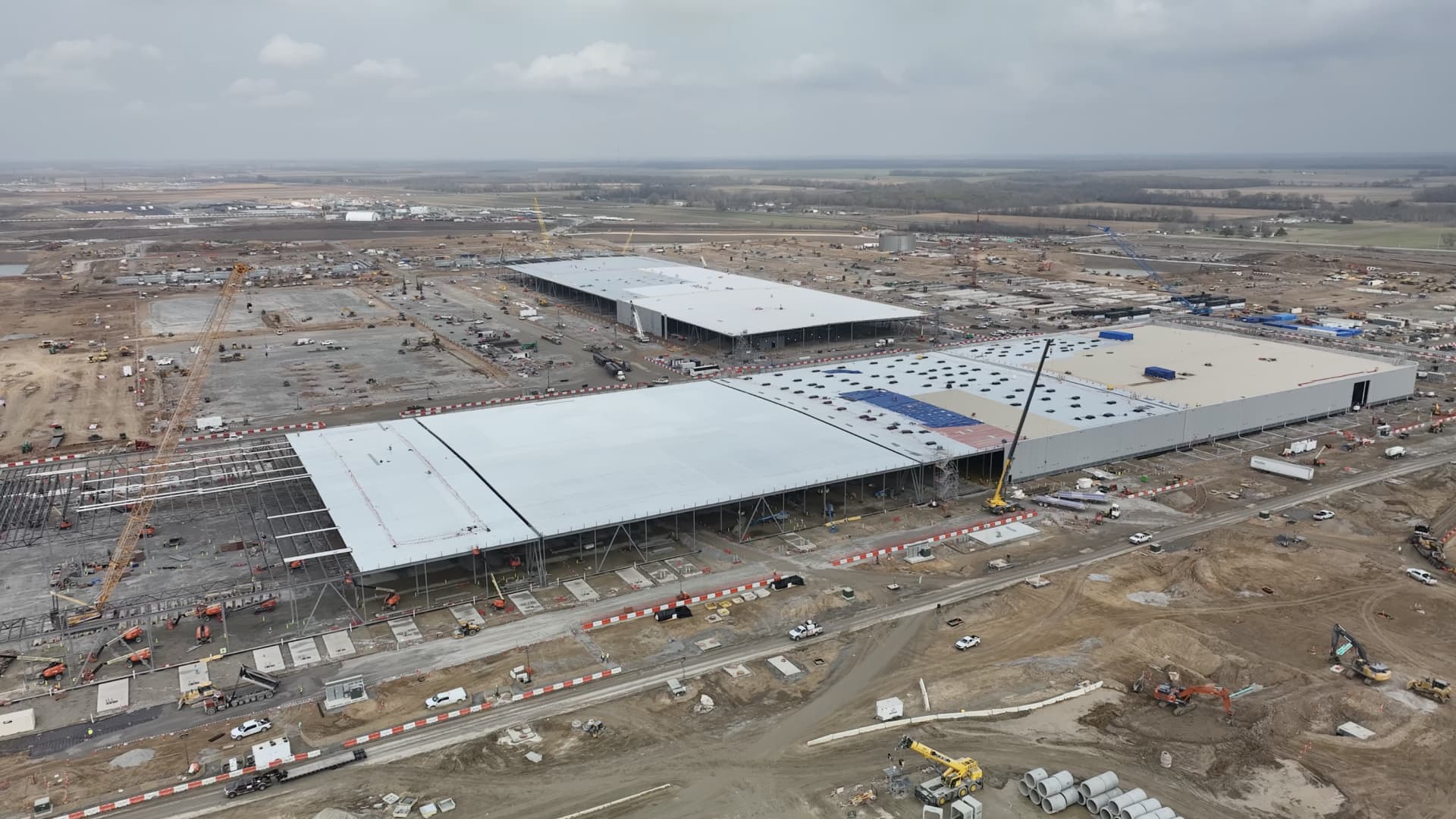
Meta is currently building its 5-gigawatt “Hyperion” data center in Richland Parish, Louisiana, showcasing the trend of significant investments in technology. However, the narrative surrounding artificial intelligence (AI) as the sole driver of the U.S. economy may be overstated, according to recent analysis.
AI’s Influence on the Economy
The excitement surrounding AI has undeniably transformed stock market valuations, fueled massive investments, and influenced bond issuances for data centers. While some economists are quick to label AI as the key to reviving a stagnant national economy, a January report from US economic strategist Prajakta Bhide at MRB Partners provides a more nuanced perspective.
Key Drivers of GDP Growth
Bhide’s findings suggest that consumer consumption remains the most critical element of GDP growth, particularly during economic expansions. “AI plays a significant role, but it is not the entirety of the growth narrative,” she explained in an interview. The American consumer continues to propel economic expansion, challenging the notion that without AI investments, GDP would have plummeted.
The Reality of AI-Related Impact
Bhide noted that while AI-related components contributed approximately 90 basis points (0.9%) to real GDP growth between the first and third quarters of 2025, the net contribution drops significantly when adjusting for imports. After accounting for imports of relevant high-tech equipment, the average contribution of AI-related investments to GDP growth falls to about 20 to 25 percent.
A Closer Look at Software Investments
Interestingly, although data centers often make headlines, Bhide points out that investments in software and computers are far more significant for GDP growth attributed to AI. “While pessimism around AI may pose risks, it is crucial to recognize AI’s revised, realistic impact on GDP growth,” she stated.
Evidence from Investment Groups
Bespoke Investment Group corroborated Bhide’s insights, revealing that AI-related spending accounted for only 15% of quarterly GDP growth in the second and third quarters of 2025. Their analysis underscores that AI’s share of the overall GDP remains less than 5%.
Anticipating Future Economic Conditions
Bhide anticipates that resilient consumer spending will continue into 2026, even amidst slower income growth and rising wealth concentration among high earners. “Fiscal support will help cushion income growth, keeping the American consumer in a relatively strong position,” she articulated.
Looking ahead, Bhide expects that economic growth will be further bolstered by new investments in AI, potential Federal Reserve rate cuts, and a stabilization of the U.S. unemployment rate. She emphasizes the importance of monitoring productivity statistics and job creation trends to better understand the evolving economic landscape.