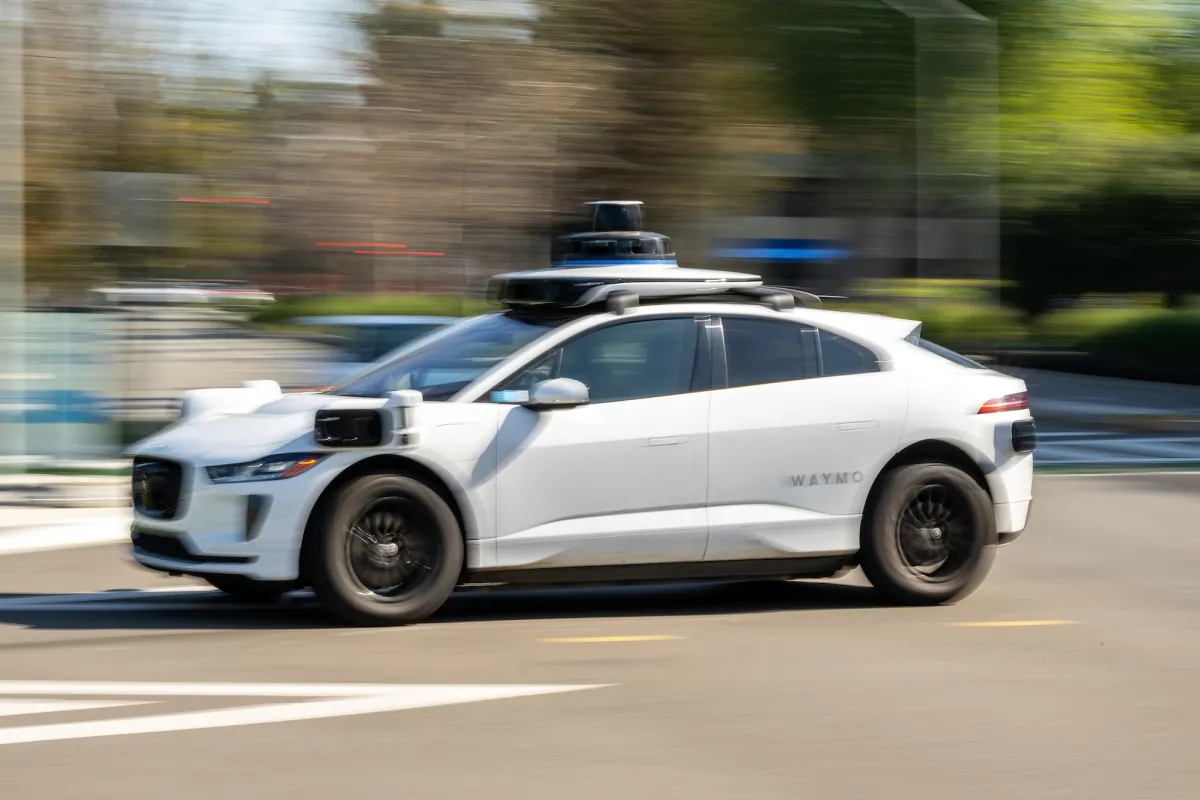
Waymo robotaxis are now doing more than ferrying passengers through American cities. Through a newly announced pilot program with Waze, the autonomous fleet is collecting real-time pothole data and funneling it directly to municipal governments and everyday drivers.
The partnership between the two Alphabet-owned companies represents a fresh approach to urban infrastructure maintenance. Instead of relying solely on resident complaints or manual inspections, cities can now tap into sensor data generated by vehicles that already cover thousands of miles each day. This collaboration could reshape how local governments prioritize road repairs across the country.
Five Cities Launch the Waymo Robotaxis Pothole Pilot
The pilot program initially targets five major markets: Austin, Atlanta, Los Angeles, Phoenix, and the San Francisco Bay Area. According to TechCrunch, Waymo robotaxis have already identified roughly 500 potholes across these locations. As the program matures, additional cities are expected to gain access to the data.
Waymo robotaxis currently operate commercially in 11 cities and are testing in several more. This broad geographic footprint gives the company a unique advantage over traditional pothole reporting methods. While most municipalities still depend on 311 calls and scheduled inspections, autonomous vehicles can detect hazards continuously without any human input.
The data flows through the free Waze for Cities platform, which already serves as a hub for crowdsourced traffic and road condition information. City and state departments of transportation can access pothole reports alongside user-generated data from Waze’s existing community of drivers.
How Sensors on Waymo Robotaxis Detect Road Hazards
Every vehicle in the autonomous fleet carries a sophisticated array of cameras, lidar, and radar systems. These sensors were originally designed to help Waymo robotaxis navigate safely, yet they also capture detailed information about road surface conditions. When the perception system or physical feedback mechanisms flag an irregularity, the data gets logged and shared.
This sensor-driven approach offers a major upgrade over manual detection. According to ABC10, Sacramento County alone maintains more than 5,200 lane miles of paved roads. Covering that kind of territory with human inspectors is expensive and slow, so automated detection fills a critical gap.
Other companies have previously used vehicle sensors and smartphone accelerometers to track traffic patterns and road anomalies. However, Waymo robotaxis appear to be the first autonomous fleet deployed specifically for hazard identification at this scale. The combination of lidar resolution and continuous operation makes these vehicles particularly effective data collectors.
Waze Users Get a New Layer of Road Intelligence
The partnership does not just benefit city planners. Regular Waze app users in participating markets will also see pothole alerts on their routes. Beyond receiving warnings, drivers can verify whether reported locations are accurate, which strengthens the overall dataset over time.
This crowdsourced verification loop adds a layer of quality control that purely automated systems lack. When Waymo robotaxis flag a pothole and multiple human drivers confirm it, municipalities can prioritize repairs with greater confidence. The feedback mechanism also helps Waze retire outdated reports, since potholes that have already been repaired will stop receiving confirmations.
For fintech observers, the data infrastructure behind this partnership mirrors trends in how technology companies balance AI automation with human expertise in regulated environments. Sensor data provides the raw signal, yet human validation ensures reliability before resources get allocated.
Strategic Expansion and Goodwill with City Governments
Waymo robotaxis are expected to reach more than 20 cities by the end of 2026. Offering actionable infrastructure data to local officials is a calculated move to build goodwill ahead of each new market launch. City governments that receive tangible benefits from autonomous vehicle operations are far more likely to support continued expansion.
According to Waymo’s official blog post, the concept for this pilot originated from conversations with city officials who shared feedback over the years. Municipal leaders consistently highlighted gaps in their pothole reporting systems, and the company recognized an opportunity to help.
This kind of public-private collaboration echoes developments in fintech, where AI-powered agents are beginning to reshape commercial interactions between businesses and municipalities. In both sectors, the companies that share useful data with stakeholders tend to earn regulatory goodwill and long-term market access.
What the Pothole Pilot Means for Autonomous Vehicle Adoption
The broader significance of this program extends well beyond road repair. By demonstrating civic value, Waymo robotaxis strengthen the case that autonomous vehicles can serve public interests rather than just private convenience. Every pothole detected and reported adds to a growing body of evidence that self-driving fleets generate positive externalities for the communities they operate in.
Sarah Kaufman from the NYU Rudin Center for Transportation has noted that this type of initiative reflects responsible corporate engagement in public spaces. As Waymo robotaxis continue to expand, partnerships like this one could set the standard for how autonomous vehicle companies earn their place on city streets.
The pilot also raises interesting questions about data ownership and governance. Cities that grow dependent on private-sector sensor networks may eventually need to establish frameworks for data access, accuracy standards, and long-term availability. For now, though, the program offers a straightforward win for drivers, cities, and the autonomous vehicle industry alike.