Author: Charitarth Sindhu, Fractional Business & AI Workflow Consultant
Valentine’s shopping is not calm shopping. It is deadline shopping. People wait longer than they should. They buy late because they want the “right” gift. They buy late because life is busy. They buy late because they underestimate how quickly the date arrives. Then they need the purchase to happen quickly.
That urgency changes what wins at checkout. It rewards two things: speed and emotional comfort. Speed is about fewer steps. Emotional comfort is about making the decision feel manageable, even if the price is higher than usual.
This is where mobile wallets and buy now pay later show up as a Valentine pattern, not only as a general fintech trend.
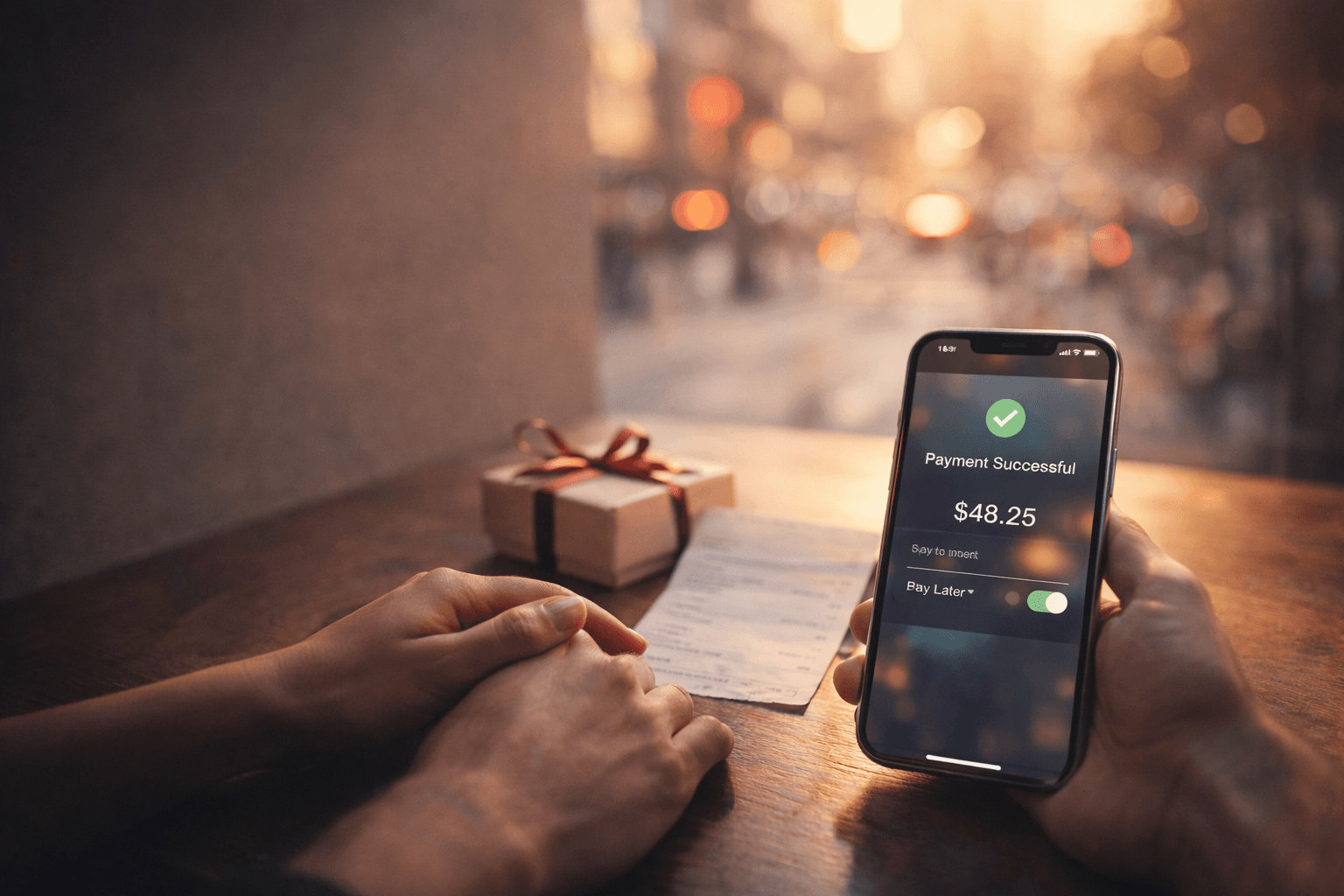
Mobile wallets matter because they shrink the friction of paying. They reduce typing. They reduce form filling. They turn checkout into a quick confirmation. For mobile shoppers, that difference is large because the alternative is fiddly and slow. During a holiday rush, people do not want to fight their own phone.
The UK shows how normal this behaviour has become. UK Finance reports that 57% of UK adults now use mobile wallets. That means in a typical audience, a large share already has a habitual, fast way to pay. They will reach for it automatically. If it is available, they finish. If it is not, some will not bother.
Buy now pay later is the other side of the “last-minute” equation. It does not only make payment faster. It changes the feel of the purchase. When a cost is split, it can feel easier to commit in the moment. This is especially relevant for gifting, because gifting decisions are often emotional and symbolic. People want the gift to communicate something. They want it to feel like effort. Under a deadline, the buyer is not running a careful budget spreadsheet. They are trying to solve a social and emotional problem quickly.
UK Finance also reports buy now pay later use jumped from 14% to 25% of UK adults in one year. Again, the key point is how mainstream it is becoming. When a quarter of adults use it, it is not a rare checkout option. It is part of how a meaningful share of consumers handle timing.
Valentine’s is a perfect environment for this because it concentrates “special spending” into a short window. Many people spend more than they do in a normal week. Many people buy something that is more expensive than their everyday purchase habits. BNPL can make that choice feel less heavy in the moment. It can also help people match the spending to their pay cycle. Under time pressure, that can be the difference between buying now or not buying.
From the fintech side, the logic is clear. Wallets and BNPL both aim at one thing: reducing drop-off at the moment where intent is high.
But the business implications are different.
Wallets are primarily a conversion and preference story. They help people pay the way they already want to pay. That can reduce abandonment. It can also increase repeat purchase because the experience feels smooth.
BNPL is also a conversion story, but it adds credit risk, cost of funds, and operational complexity. You are not only processing a payment. You are underwriting, setting terms, managing repayments, and dealing with customer issues when things go wrong. That is why BNPL becomes more sensitive during seasonal surges. A holiday burst concentrates volume and concentrates stress.
Think about what happens in the final week before Valentine’s Day. The same things happen at once: more transactions, more new users, more first-time users, and more edge cases. Approval decisions need to be fast and consistent. Customer support load rises. Merchants want reliable settlement. Fraud attempts rise because the time pressure makes it easier to trick people. If any part of the flow breaks, you do not just lose one sale. You lose trust in the entire method.
There is also a regulatory shadow. BNPL has been under increasing scrutiny in various markets, particularly around disclosure, consumer protections, and how products are marketed. That matters in a Valentine setting because holiday marketing tends to use urgency language and limited-time framing. If a product is positioned in a way that makes people feel pushed, it can create reputational and compliance risk.
So how does this fit into a clean Valentine fintech story?
Valentine’s is not only about love. It is a purchase deadline that makes people behave differently. That behaviour rewards payment products that make checkout feel fast and safe, and rewards financing products that make the decision feel emotionally manageable. Wallets reduce friction. BNPL reduces the sense of immediate sacrifice.
The same data points can be used to keep the story grounded. In the UK, mobile wallet usage is already at 57% of adults. BNPL usage has risen to 25% of adults, up from 14% a year earlier. These are not marginal tools anymore. They are mainstream behaviours that will show up during seasonal shopping peaks.
The practical conclusion is simple.
If you want to understand why wallets and BNPL keep growing, do not only study quarterly charts. Study deadline commerce. Valentine’s is a concentrated version of modern buying: mobile-first, time-poor, emotionally driven, and impatient with friction. Payment methods that fit that reality win the moment, and often win the repeat purchase later.