

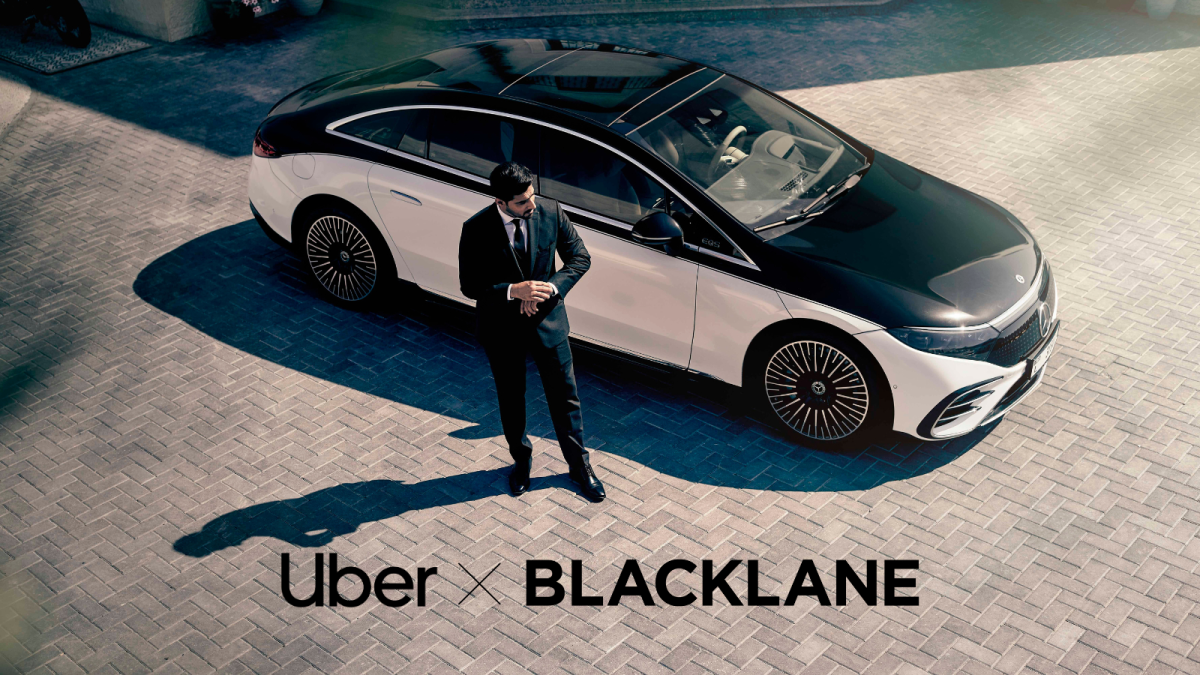
Uber acquires Blacklane in what might be the most significant luxury mobility deal of 2026. As a result, the ride-hailing giant now controls a premium chauffeur network spanning more than 500 cities worldwide. This move signals a broader shift in how executive travel works. The ripple effects will touch everything from corporate transport budgets to fintech-powered payment platforms.
Beyond the headline, the Uber acquires Blacklane announcement reveals deeper currents in how global mobility platforms are evolving. Premium travel is no longer a niche add-on. It is becoming the battleground where billions in corporate spend are up for grabs. So what makes this deal worth paying attention to? Let’s break it down.
Uber Acquires Blacklane to Dominate Executive Travel
On 30 March 2026, Uber officially announced an agreement to acquire Blacklane. The Berlin-based chauffeur platform has connected travellers with professional drivers since 2011. Neither company disclosed the purchase price. However, PitchBook data valued Blacklane at roughly $547 million after its October 2024 funding round. Meanwhile, Reuters reported the deal sits in the “upper three-digit millions.”
Blacklane’s investor roster reads like a who’s who of European mobility capital. Backers included rental car giant Sixt, luxury automaker Mercedes-Benz, and UAE conglomerate ALFAHIM. Together, they helped Blacklane raise over $100 million in total funding. Yet the fact that Uber acquires Blacklane now suggests the startup’s growth trajectory needed a bigger platform to scale further.
The acquisition still needs regulatory approval. Both companies expect it to wrap up before the end of 2026. Financial terms remain undisclosed. Still, the sheer scale of Blacklane’s global footprint suggests this is no small cheque.
Why Uber Acquires Blacklane Now (And Not Two Years Ago)
Timing matters here. Uber acquires Blacklane just weeks after launching Uber Elite. This invite-only chauffeur service debuted on 12 March 2026 in Los Angeles and San Francisco. It targets executives and frequent travellers. Vehicles must be luxury models under three years old. The package also includes airport meet-and-greet services and 24/7 phone support.
In other words, Uber had already planted its flag in the premium segment. Consequently, snapping up Blacklane gives them established international infrastructure. Building that from scratch would have taken years. Blacklane operates in over 60 countries and maintains deep relationships with corporate clients. These clients rely on its chauffeur network for airport transfers, city-to-city rides, and hourly bookings.
Uber Elite also introduced a “Meet and Greet” feature for airport arrivals. Riders can request their chauffeur to meet them at baggage claim. Special requests like champagne or sparkling water are handled through the app. In essence, the Uber acquires Blacklane deal turbocharges everything Uber Elite was designed to do. It just does it at global scale instead of in two California cities.
Furthermore, this is not Uber’s first big move of 2026. The company also purchased Getir for $335 million and struck a deal for parking app SpotHero. When you consider that Uber acquires Blacklane as its third major purchase this year, the pattern is unmistakable. Uber is buying speed, not building it.
The Luxury Ride-Hailing Arms Race Is Heating Up
Uber is not operating in a vacuum. Competition in the premium chauffeur space has escalated fast. Consider what has happened in just the past six months.
In October 2025, Lyft acquired TBR Global Chauffeuring for approximately $110 million. TBR is headquartered in Glasgow and operates across six continents. It covers more than 3,000 cities worldwide. That deal gave Lyft immediate credibility in the executive transport segment. It also opened doors to Fortune 500 corporate accounts.
Then, on 23 March 2026, London-based Wheely launched in New York City. This marked its first expansion into the US market. Wheely exclusively targets high-net-worth individuals. Its chauffeurs drive Mercedes-Benz S-Class vehicles. They sign NDAs. They complete a three-day training academy. PYMNTS reported the company plans to grow its North American team to over 5,000 people within five years. Wheely is also eyeing expansion into Texas, Miami, Palm Beach, and Washington DC.
Essentially, three major players made luxury moves within six months. That kind of clustering is not a coincidence. It points to a shared conviction that premium ground transport is underserved and overdue for disruption.
What is driving this conviction? For one, corporate travel budgets have rebounded strongly since the pandemic era. Business travellers are spending again, but their expectations have shifted. They want seamless booking, predictable quality, and amenities that reflect the premium they are paying. Additionally, the rise of remote work has made in-person meetings higher stakes. When executives do travel, the trip needs to count. As a result, companies are more willing to pay for premium ground transport that reinforces their brand image and ensures their people arrive prepared.
Against this backdrop, the fact that Uber acquires Blacklane makes perfect strategic sense. Without a strong premium play, Uber risked losing its most profitable riders to competitors who were already offering white-glove service. Similar patterns of consolidation are playing out across European fintech. Deals exceeding $100 million surged 2.6 times quarter-over-quarter in early 2025. The message is clear: grow through acquisition or fall behind.
What Blacklane Brings to the Table
Blacklane is not just another ride-hailing app with fancier cars. Instead, the company has spent 15 years building a global chauffeur marketplace. It connects travellers with independent local operators through its app and web platform. That distinction matters more than most people realise. Blacklane does not employ drivers directly. It partners with local chauffeur businesses, which gives the network a level of local expertise that centralised models cannot match.
Here is what Uber gets when Uber acquires Blacklane. First, coverage across more than 500 cities in over 60 countries. Second, a loyal base of corporate clients from major global companies. Third, deep expertise in airport transfers, city-to-city rides, and hourly bookings. Fourth, brand equity among discerning travellers who already trust the Blacklane name. Fifth, a sustainable mobility commitment that resonates with ESG-conscious corporate buyers.
Dr. Jens Wohltorf, Blacklane’s founder and CEO, called the deal a “momentous day for the German scale-up community.” He noted that Blacklane’s next chapter involves bringing its luxury hospitality expertise to Uber’s global platform. Similarly, Uber CEO Dara Khosrowshahi said premium travel represents one of the most exciting growth areas for the company.
Khosrowshahi also highlighted that pre-booked Uber Reserve trips have become one of the fastest-growing parts of the mobility business. This kind of strategic acquisition echoes patterns we see across fintech and tech. Established platforms buy specialist operators to speed up their entry into niche verticals. The Uber acquires Blacklane deal follows that playbook precisely.
How This Reshapes the Luxury Mobility Landscape
The immediate effect of the Uber acquires Blacklane deal is straightforward. Uber now has the infrastructure, brand recognition, and corporate relationships to compete in the premium chauffeur market worldwide. Yet the longer-term implications run deeper.
For starters, corporate travel managers will face new choices. Uber’s scale could mean better pricing for premium rides. It could also deliver more consistent availability across global markets. Tighter integration with existing Uber for Business accounts is another likely benefit. On the other hand, some Blacklane clients may worry about service quality. They might question whether the white-glove experience will survive inside a massive technology platform.
Additionally, payment and invoicing workflows for corporate ground transport could evolve. When a company like Uber controls more of the premium travel stack, streamlined billing becomes possible. Consolidated expense reporting gets easier. Tighter integration with enterprise finance tools follows naturally. These are the kinds of B2B payment friction points that fintech solutions continue to address.
Because the Uber acquires Blacklane deal touches so many parts of the corporate travel chain, finance teams should pay attention too. Ground transport is often the messiest line item on a business expense report. If Uber can unify booking, invoicing, and receipt management under one platform, that alone could justify corporate buyers switching from fragmented providers.
Moreover, the deal raises important questions about smaller operators. Independent chauffeur services partnered with Blacklane for years. Will they maintain their autonomy under Uber’s umbrella? Or will the platform push standardisation that erodes what made Blacklane’s network distinctive? For now, these questions remain unanswered. However, operators who depend on Blacklane for bookings will be watching the integration process closely.
What Uber and Blacklane’s Combined Future Looks Like
Once regulatory approvals land, the real work begins. Integrating Blacklane’s operations with Uber Elite will determine whether the Uber acquires Blacklane move delivers on its promise. Getting this wrong could create friction for both driver partners and corporate clients. Getting it right could set a new standard for premium mobility.
Uber will likely need to expand Uber Elite beyond its current invite-only footprint. The service is only live in two California cities right now. New York City is next. Blacklane’s existing network gives them a runway to scale much faster. Nevertheless, balancing Uber’s tech-driven efficiency with Blacklane’s hospitality-first philosophy will be the real test. A chauffeur who has spent years building client relationships through Blacklane may not welcome the sudden integration with a tech-first platform.
There is also the question of pricing strategy. Uber Elite currently sits above Uber Black as the most expensive ride option. Blacklane has its own pricing structure built around time and distance. Merging these two approaches without alienating existing customers on either side will require careful calibration.
The luxury ride-hailing market is valued at over $54 billion globally. It is still growing. Between the Uber acquires Blacklane deal, Lyft’s TBR purchase, and Wheely’s US expansion, the next 12 months will shape this space for a decade. The stakes are high for every player involved.
Industry observers expect more consolidation ahead. When Uber acquires Blacklane, it sends a signal to smaller chauffeur operators worldwide. Either partner with a major platform or risk irrelevance. The days of premium chauffeur services operating independently may be numbered.
For travellers and corporate clients, the Uber acquires Blacklane deal could mean more options. Better technology. More competitive pricing. Yet it could also mean less variety in service styles. Time will tell which side of that equation wins out.
For now, one thing is clear. Uber acquires Blacklane because the company is betting that the future of mobility is not just about getting from A to B. It is about how you feel when you get there.