

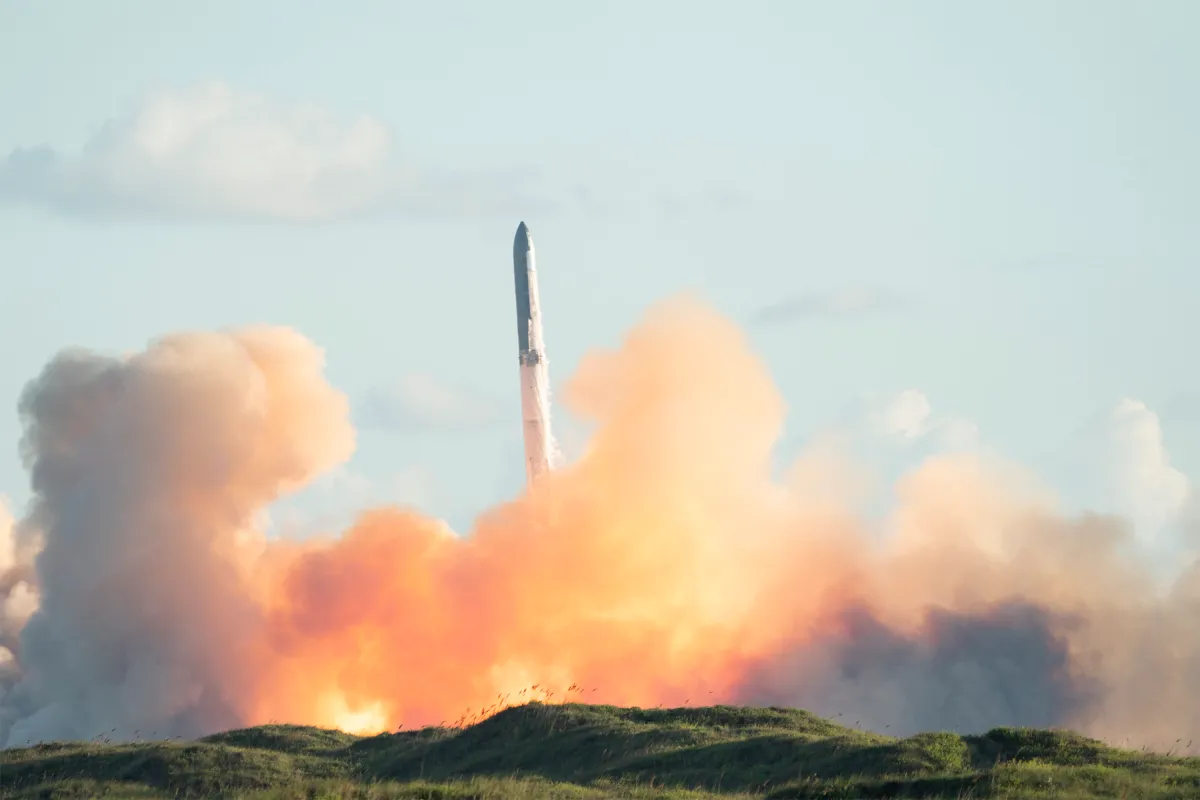
SpaceX Eyes $75 Billion IPO Amid Ambitious Plans for Orbital Data Centers
SpaceX has reportedly submitted confidential documents for an initial public offering that could raise $75 billion, valuing the company at an impressive $1.75 trillion. CEO Elon Musk envisions a pivotal role for orbital data centers in SpaceX’s future endeavors, highlighting the company’s commitment to revolutionizing data management in space.
During the latest episode of TechCrunch’s Equity podcast, hosts Kirsten Korosec, Sean O’Kane, and I delved into Musk’s vision alongside other companies pursuing similar trajectories in the burgeoning space tech sector.
Realizing the dream of orbital data centers will necessitate substantial advancements in technology and significant capital investment. As Sean pointed out, with growing opposition to terrestrial data centers, industry leaders like Musk and Jeff Bezos may be pondering if the engineering hurdles in space are ultimately easier to navigate than the social challenges faced on Earth.
A notable development in this trend is the startup formerly known as Starcloud, which recently secured $170 million in funding, officially achieving unicorn status. This company stands out as one of the earliest players aiming to build a substantial business around space-based data centers, underscoring the growing interest in this innovative field.
Jeff Bezos is also entering the fray with plans for a next-generation competition involving his satellite networks, adding a layer of complexity to the rivalry between SpaceX’s Starlink and Amazon’s low Earth orbit (LEO) satellite initiative. With Blue Origin poised to launch its own network within the next few years, the competition is expected to intensify.
As interest in space-based data storage surges, Musk’s strategy seems to focus on capturing the public’s imagination. By positioning SpaceX as a pioneer in this domain, he effectively generates excitement and draws attention despite potential challenges. The notion of constructing data centers in space signals a forward-looking vision, appealing to investors and tech enthusiasts alike.
Critics, however, express skepticism about the feasibility of such grand ambitions. Discussions around the logistical and engineering hurdles are rampant, with questions being raised about whether these space centers could genuinely supplement Earth’s data center needs or serve merely as a novelty. With a recent lull in the demand for new data centers on Earth, the prospects for ambitious initiatives like these hang in the balance, and it remains to be seen how they will unfold.
It’s worth noting that SpaceX’s primary business model focuses on launch services, providing a unique advantage in this competitive landscape. The company stands to generate significant revenue from deploying satellites to form these data centers, leveraging its capabilities as the transportation vehicle for this expansive vision. Therefore, whether Musk’s dreams become reality or remain aspirational, the financial motivations driving SpaceX cannot be overlooked as they prepare for their foray into public markets.