

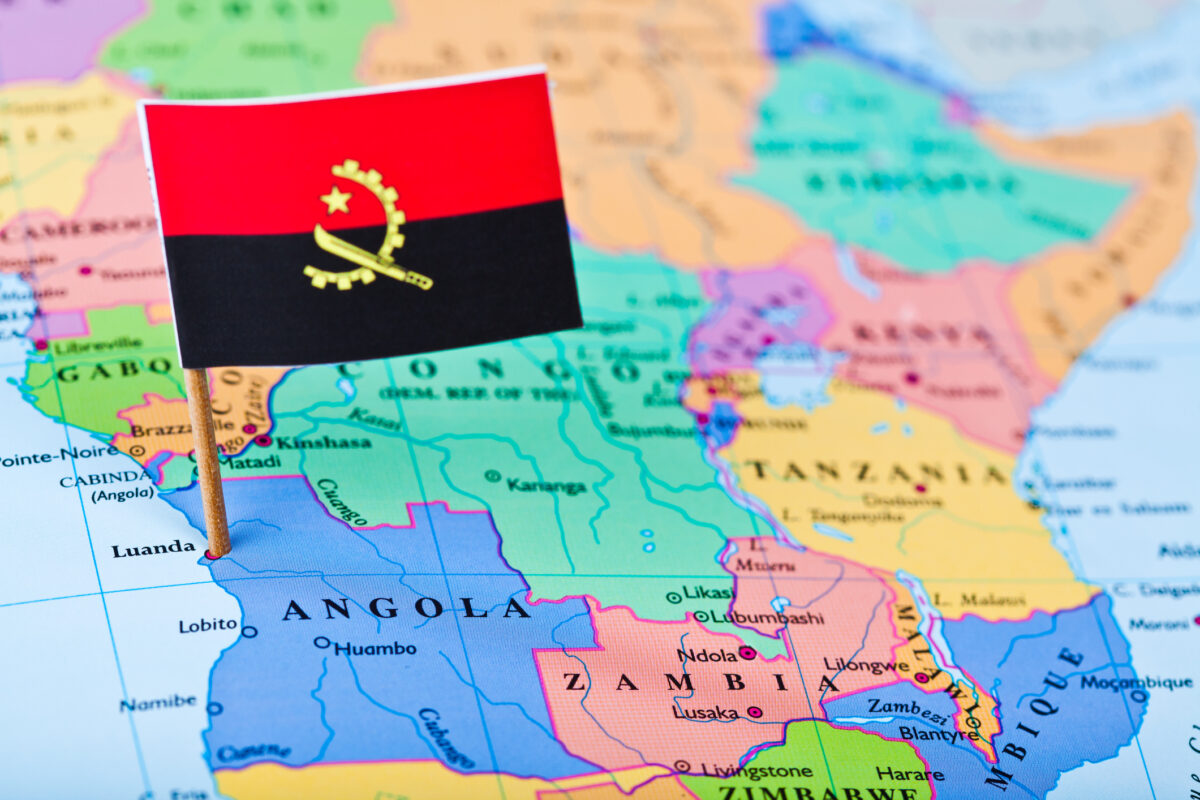
Angola’s Fintech Evolution: A Gradual Transformation
Fintech ecosystems seldom materialize overnight; they evolve incrementally, driven by regulatory reforms, enhancements in financial infrastructure, and a rise in entrepreneurial experimentation. Angola’s fintech sector exemplifies this gradual development, reflecting both the opportunities and the challenges inherent in its broader economic landscape.
Over the last decade, Angola has been diligently establishing the groundwork for a digital financial ecosystem. Historically dependent on oil revenues, the country is now pivoting towards digital innovation and financial inclusion as vital components of its economic diversification strategy.
While Angola’s fintech ecosystem remains modest in size compared to some of Africa’s more established technology hubs, its momentum is increasingly noteworthy. Regulators are actively experimenting with new policy frameworks, payment infrastructures are expanding, and startups are exploring innovative ways to deliver financial services to millions who remain unbanked.
The narrative of fintech in Angola in 2026 is one of gradual transformation rather than outright disruption.
Regulatory Framework Development
In emerging fintech markets, regulation is crucial in shaping the sector’s trajectory. The Banco Nacional de Angola (BNA), the nation’s central bank, is at the forefront of developing policies aimed at enhancing financial inclusion and fostering innovation in digital financial services. A significant initiative is the establishment of Angola’s first fintech regulatory sandbox, created in collaboration with the innovation consultancy Beta-i. This sandbox enables fintech startups to test their products within a controlled regulatory setting, benefiting from guidance on compliance and financial regulations.
Furthermore, regulators are focused on modernizing the country’s payment infrastructure. Angola’s national interbank payment system, Multicaixa, managed by EMIS, serves as the backbone of electronic payments in the nation, connecting banks through a comprehensive ATM and point-of-sale network.
Recent years have also seen policymakers investigating broader reforms aimed at fortifying the startup ecosystem. Initiatives backed by organizations like the International Finance Corporation are working to refine Angola’s regulatory framework for startups and enhance the environment for innovation.
Growing Opportunities within a Nascent Ecosystem
Despite its promising potential, Angola’s fintech ecosystem is still relatively small. Current estimates indicate that approximately 14 fintech startups operate within the country, focused on areas such as payments, digital banking, financial infrastructure, and crypto-enabled services.
In a broader context, Angola’s startup ecosystem is in the early stages of development, with merely a handful of technology startups across various sectors. Analysts describe this ecosystem as nascent yet promising, and stress the necessity for ongoing support through policy reform, investment, and entrepreneurial capacity building.
Nonetheless, the potential for fintech growth in Angola is significant. With a youthful population, increasing smartphone adoption, and a large informal economy, the landscape is ripe for financial innovation. Estimates reveal that nearly half of the population remains unbanked, highlighting millions of prospective users for digital wallets and payment platforms.
Innovative Startups Paving the Way
While Angola’s fintech landscape is still maturing, several companies are beginning to make their mark.
A prime example is BayQi, a Luanda-based technology platform that transitioned from an e-commerce marketplace to a fintech provider, now offering digital payments, QR-code transactions, and mobile services. The company has received authorization from the central bank to operate as a payment services provider, an important milestone for fintech entrepreneurship in Angola.
Mobile payment applications are another area witnessing innovation. The PayPay app, which operates within Angola’s instant payment system, KWiK, has seen remarkable adoption. By 2026, PayPay was handling over 1.6 million monthly transfers, underscoring the swift growth of digital payments throughout the nation.
These advancements are vital in a context where financial inclusion remains a key priority. Mobile-based services increasingly empower individuals and small businesses to send money, receive payments, and engage with the formal financial system using their smartphones rather than relying on traditional banking channels.
Projected Growth and Challenges Ahead
Angola’s fintech ecosystem in 2026 is undeniably a work in progress. While digital financial services are expanding, adoption remains inconsistent. Venture capital investment is comparatively limited when set against Africa’s leading fintech hubs, and regulatory frameworks are still evolving as policymakers strive to balance innovation with financial stability.
Yet, the direction is evident. The rise of instant payment systems, the emergence of fintech startups, and the gradual modernization of regulatory frameworks collectively indicate a financial system that is slowly but surely becoming more digital and inclusive. For Angola, fintech may not yet be a global headline, but it signifies a crucial pathway toward enhancing financial access, encouraging entrepreneurship, and diversifying the economy beyond its traditional reliance on oil.