

Shifting Dynamics in Global Inflation
Global inflation dynamics are experiencing a significant transformation, influenced by recent consumer price index (CPI) data, central bank decisions, and fluctuations in energy markets. The ongoing conflict in the Middle East has emerged as a key risk factor, significantly impacting the economic outlook, according to analysis from LSEG Data & Analytics.
Current CPI Trends and Central Bank Reactions
Inflation has been a dominant theme in the global economy over the past four years, propelled by supply chain disruptions and repeated energy shocks. Recent CPI reports across major Western economies indicate a general moderation in price growth, prompting both the European Central Bank (ECB) and the Bank of England (BoE) to maintain steady interest rates. However, the economic conditions in these two regions are diverging significantly.
In the UK, the CPI increased by 3.4% year-on-year in December 2025, leading the BoE to revise its 2026 growth forecast downward from 1.2% to 0.9%. The unemployment projection also saw an uptick, adjusting from 5% to 5.3%. After hitting a peak of 11.1% in October 2022, UK inflation had initially fallen to the BoE’s target of 2% by May 2024, only to rise again in 2025 due to heightened energy and food prices. The BoE now anticipates returning to its 2% target by the second quarter of 2026.
Middle East Conflict and Renewed Inflation Concerns
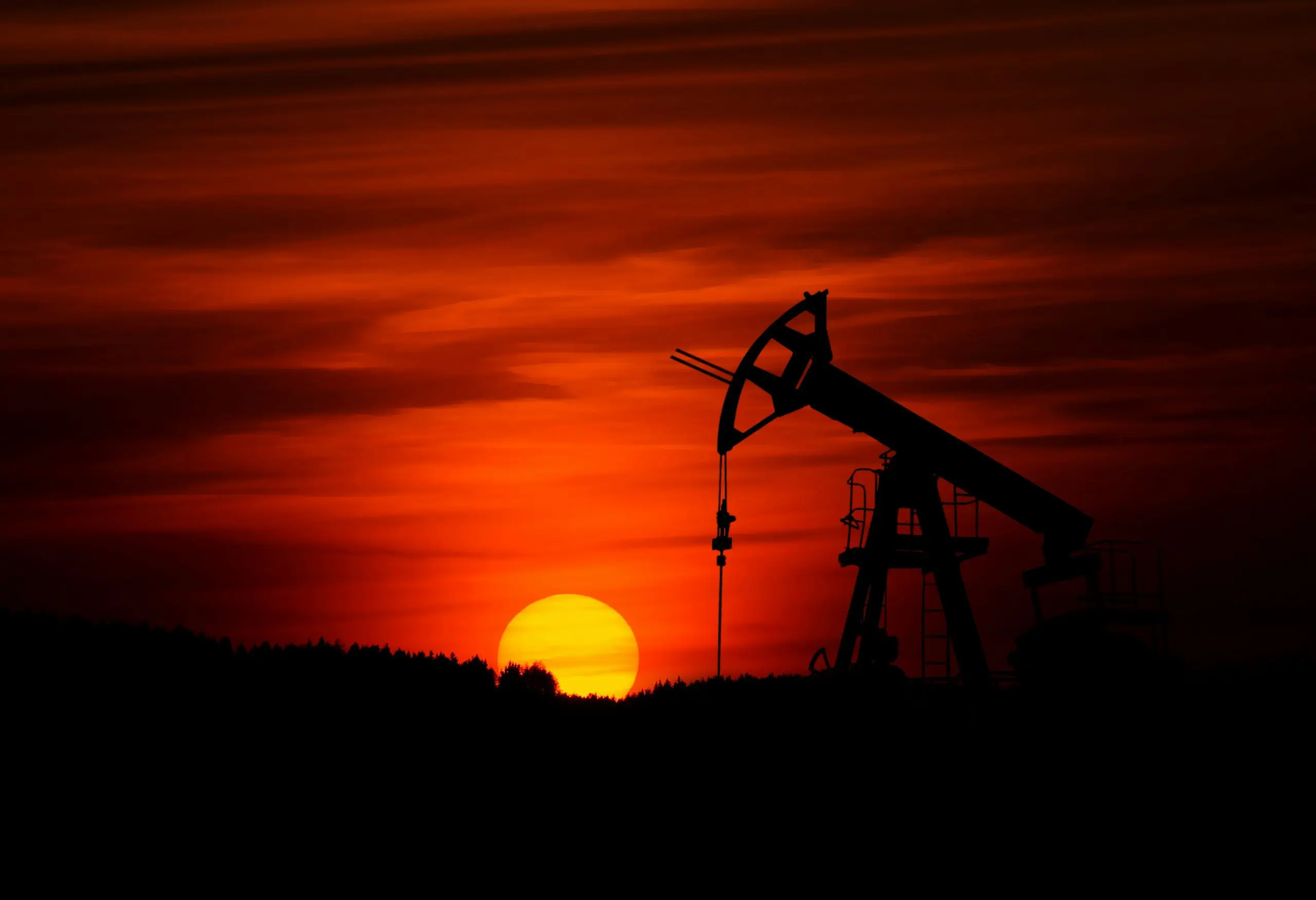
Despite an early 2026 trend towards disinflation, the ongoing conflict in the Middle East has significantly changed the economic perspective. LSEG Data & Analytics highlights how disruptions to oil supply routes have spurred sudden price increases, raising concerns about a potential resurgence of global inflation.
In 2025, around 13 million barrels of oil flowed through the Strait of Hormuz daily, amounting to approximately 31% of all seaborne crude oil movements. Additionally, about 20% of global liquefied natural gas (LNG) shipments from the Persian Gulf are under threat. East Asia, in particular, faces exposure, receiving 75% of Japan’s oil imports and 70% of South Korea’s. In Europe, countries such as Italy, Greece, Spain, Poland, and Belgium depend on oil flows through the Strait, raising the probability of sustained price increases, though outright shortages are not anticipated at this time.
Financial Markets React to Geopolitical Tensions
Financial markets have swiftly adjusted to these developments. The US dollar has appreciated due to safe-haven demand; however, US Treasury yields have risen following airstrikes, driven by inflation concerns alongside unexpectedly strong economic data. The ADP National Employment report revealed the creation of 63,000 new private-sector jobs in February, surpassing the Reuters consensus estimate of 48,000. Meanwhile, manufacturing and services PMIs registered positive trends at 52.4 and 56.1, respectively. Yet, the official employment report painted a more cautious picture, highlighting a decline of 92,000 in nonfarm payrolls and a drop of 86,000 in private payrolls.
Heightened energy prices are diminishing the prospects for immediate rate cuts by the Federal Reserve, even as signs of softness in the labor market suggest that easing may be necessary in the future, according to LSEG. The strength of the dollar against emerging-market currencies further complicates matters for economies that rely heavily on energy imports.