

Currency Volatility Marks a New Era in Finance
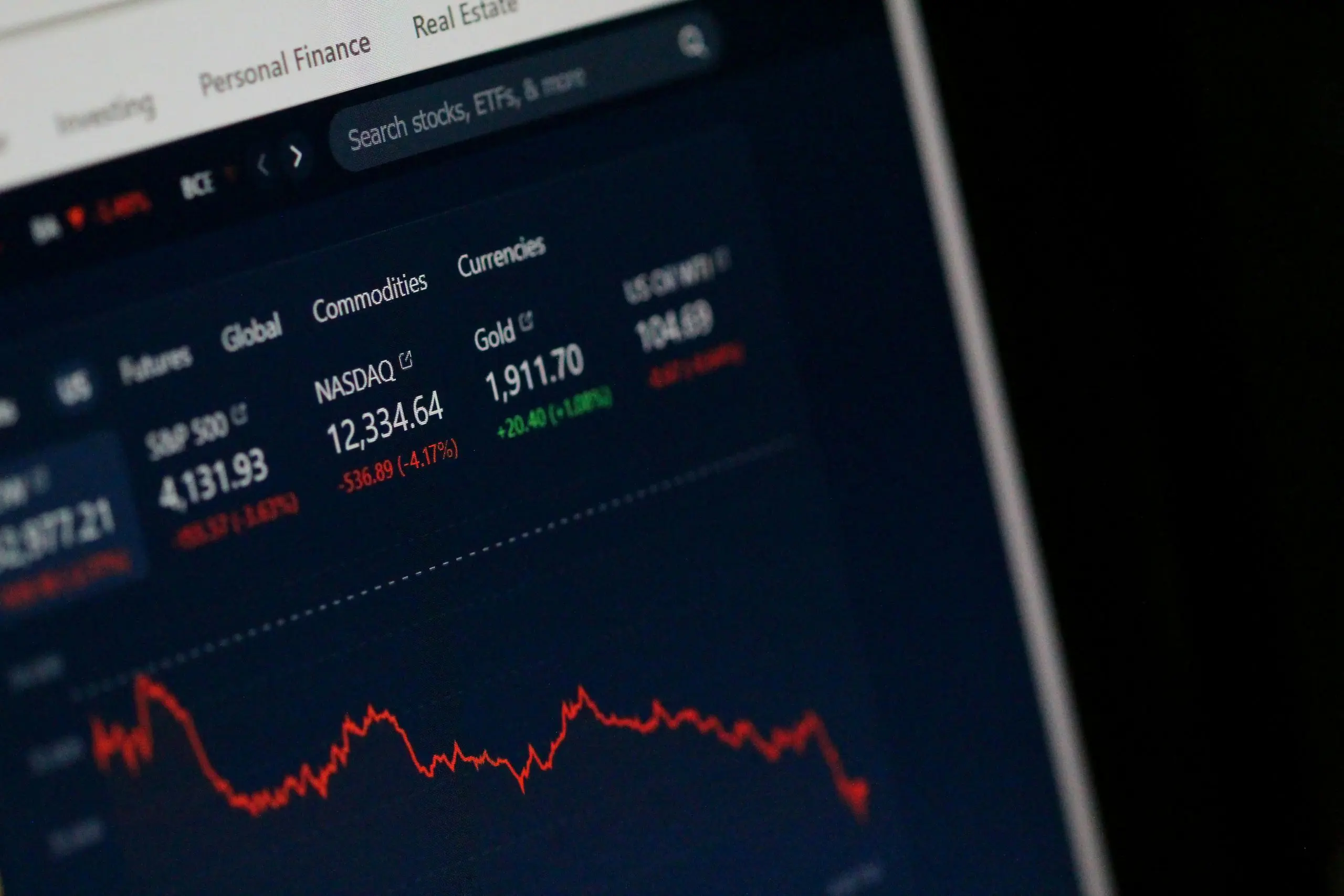
A dynamic shift in currency volatility has emerged, breaking a long period characterized by low interest rates and stable exchange rates. In the United States, recent Federal Reserve rate cuts, coupled with widespread macroeconomic and political uncertainty, have contributed to a near 10% decline in the dollar against other major currencies. This downturn marks 2025 as the dollar’s most challenging year since 2017.
Impact on Diversified Portfolios
Ortec Finance, a leader in technology and solutions for risk and return management, recently explored this increasing currency volatility. The company noted that for globally diversified portfolios, the consequences are significant. Each currency and country pairing now requires a meticulous assessment, incorporating factors such as equities and interest rate forecasts related to fixed income instruments, along with a comprehensive approach to currency management.
Shifting Towards Centralized Currency Management
In reaction to these challenges, asset owners are increasingly centralizing their currency management operations. This strategic move allows for a thorough consideration of interconnected factors, such as the correlation between currency movements and equity returns, various approaches to hedge ratios, and the aggregation of offsetting positions—all aimed at reducing trading costs. Moreover, this centralized framework enables real-time responsiveness to market fluctuations through overlay programs.
Advantages of the Total Portfolio Approach
This centralization aligns well with the growing trend of adopting a Total Portfolio Approach (TPA), which integrates multiple factors and overlays into a streamlined function. By doing so, asset owners can alleviate the complexities associated with delegating responsibilities among various managers, thereby enhancing efficiency.
Navigating Complexities in Performance Attribution
Nevertheless, centralizing currency management introduces its own set of complexities, with many asset owners grappling with performance attribution more than they anticipated. One principal challenge is the need to gather and align pivotal data. Funds must closely monitor variations between actual trade rates and benchmark close rates, ensure they are receiving optimal value for their FX execution, and recognize the challenges posed by the asynchronous nature of currency markets—a factor that can lead to flawed snapshots of performance.
Addressing Intra-Month Framework Changes
In addition to data alignment, intra-month adjustments and implementation delays can result in accidental risks. When multiple managers possess conflicting perspectives on similar currency pairs, this can lead to unnecessary and costly offsetting trades, further complicating an already intricate management landscape.
Ortec’s Innovative Solutions for Currency Management
To tackle these hurdles, Ortec’s investment management platform, PEARL, has introduced a currency overlay capability specifically designed to address these challenges. Through a unified user interface, users can visualize all components of a fund’s currency overlay in a single consolidated report, while also referencing underlying portfolios. All relevant trade, position, and portfolio data is integrated into one source, allowing users to monitor changes over time and compare different hedge policies and base currencies. This integration effectively merges overlay reporting with investment decision-making, enhancing overall portfolio management sophistication.