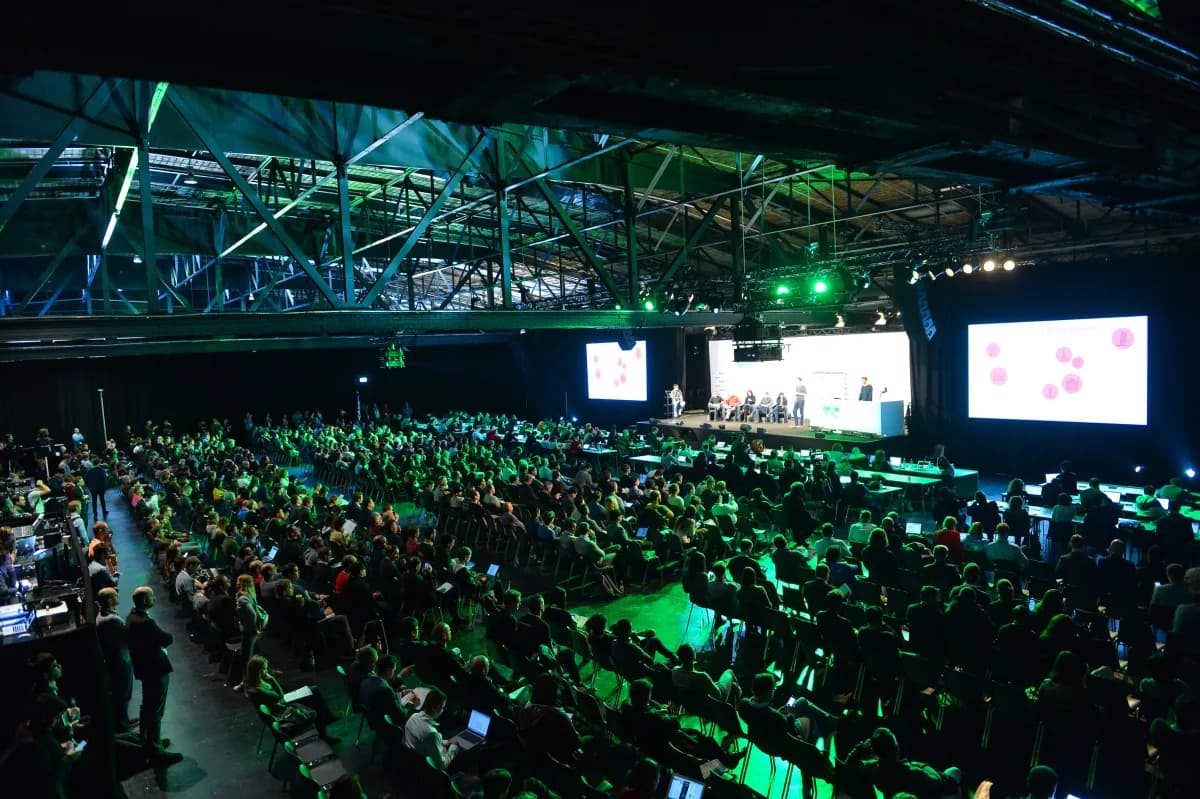
TechCrunch Disrupt 2026 returns to San Francisco’s Moscone West from October 13 to 15, bringing together 10,000 founders, venture capitalists, operators, and technology leaders for three days of high-signal programming. For more than a decade, this event has served as the startup world’s most concentrated environment for deal flow, fundraising conversations, and tactical insight. This year’s edition arrives at a moment when early-stage funding is rebounding after a prolonged correction, AI is reshaping product development cycles, and investor appetite for differentiated founders is climbing again. If you are building, scaling, or funding a company in 2026, the conference offers a rare density of opportunity that virtual alternatives struggle to replicate. Right now, early-bird pricing cuts up to $500 off standard pass rates, but that discount expires at 11:59 p.m. PT tonight. The window to register at the lowest available price for TechCrunch Disrupt 2026 is closing fast.
What TechCrunch Disrupt 2026 Offers Founders and Investors
TechCrunch Disrupt 2026 is not a passive conference built around slide decks and panel monologues. Instead, the three-day programme is designed around outcomes: closed deals, signed term sheets, new hires, and partnerships that move businesses forward. Over 300 startups will showcase their products across the expo hall, giving attendees direct access to emerging tools and platforms before they reach mainstream adoption.
On stage, more than 250 speakers will share insights drawn from active operating experience rather than theoretical frameworks. In 2025, session highlights included candid discussions from investors at Insight Partners, GV, and Moxxie on what separates successful Series A raises from the rest. TechCrunch reported that the 2025 event also showcased 200 early-stage startups across industries ranging from logistics and biotech to climate technology and agentic AI commerce. The 2026 agenda is expected to expand coverage into sectors like deep tech, space infrastructure, and regulatory technology, reflecting where capital is moving fastest. For venture capitalists, the event functions as a sourcing engine. Rather than sifting through cold inbound decks, investors can evaluate founders live, watch product demonstrations in real time, and compress weeks of diligence into focused conversations over three days.
Startup Battlefield Returns With a $100,000 Equity-Free Prize
The centrepiece of TechCrunch Disrupt 2026 is Startup Battlefield, one of the longest-running and most prestigious pitch competitions in the technology sector. Each year, the programme selects 200 companies from thousands of global applicants. From that group, a top 20 is chosen to pitch live on the main stage in front of investors, press, and a panel of expert judges. Five finalists then compete for the $100,000 equity-free prize and the coveted Disrupt Cup.
Last year’s competition crowned Glid, a logistics startup developing hybrid-electric vehicles for shipping container transport, as the winner. Nephrogen, a biotech company building AI-driven gene-delivery systems for kidney disease, earned the runner-up spot. The remaining finalists included Charter Space, which is building fintech infrastructure for spacecraft insurance, and MacroCycle, which recycles textile waste into virgin-grade resin. Together, these companies represent the calibre of innovation that Startup Battlefield consistently surfaces.
The programme’s alumni list speaks for itself. Previous participants include Dropbox, Discord, Cloudflare, Fitbit, and Mint. Collectively, Startup Battlefield alumni have raised over $29 billion in funding and completed more than 200 exits. For early-stage founders accepted into the Battlefield cohort at TechCrunch Disrupt 2026, the visibility alone can accelerate fundraising timelines by months. The application window for 2026 closes on May 27, and founders can nominate themselves or be nominated by their investors.
Networking Built for Results at TechCrunch Disrupt 2026
One of the clearest differentiators of TechCrunch Disrupt 2026 is its intentional approach to networking. The event does not rely on random hallway encounters. Instead, organisers use curated matchmaking through the Disrupt app to connect attendees based on investment thesis, sector focus, and stage of growth. In 2025, over 2,000 curated meetings took place across the venue during the three-day event.
For founders, this structure means direct access to investors who are writing cheques in their category. For VCs, it means efficient deal sourcing without the noise of a general tech conference. Operators and executives navigating the balance between AI automation and human expertise can exchange practical lessons with peers who have already scaled through similar challenges.
Beyond the main venue, TechCrunch Disrupt 2026 also hosts Side Events across the Bay Area during the surrounding week of October 11 to 17. These include breakfast meetups, cocktail hours, off-site panels, and intimate founder dinners that extend the networking value well beyond the conference floor. According to TechCrunch’s exhibitor guide, startups that secure exhibit tables gain 10 passes, branded signage, and direct lead capture through the event’s app. That level of access turns a single table into a full Q4 pipeline-building operation.
Why the Fintech and AI Tracks Matter in 2026
Every edition of TechCrunch Disrupt 2026 reflects the sectors attracting the most capital and attention. This year, fintech and AI are expected to dominate the programming. The growing role of agentic AI in banking has created urgent demand for compliance frameworks, trust layers, and risk management tooling that regulators can accept. These topics featured heavily in 2025 sessions and will likely expand in scope as regulatory pressure intensifies across the United States and Europe.
On the fintech side, embedded finance, stablecoin infrastructure, and AI-driven underwriting are attracting outsized investor interest heading into the second half of the year. Disrupt’s programming consistently features the founders and operators who are building in these categories, making it one of the few events where fintech-specific networking reaches critical mass alongside broader technology conversations. For investors tracking where TechCrunch Disrupt 2026 attendees are deploying capital, the fintech and AI sessions will offer the clearest signal.
How to Secure Your TechCrunch Disrupt 2026 Pass Before Prices Rise
Tonight marks the final window to save up to $500 on TechCrunch Disrupt 2026 passes. After 11:59 p.m. PT, ticket prices return to standard rates, and these savings will not be repeated at any point before October. The event offers multiple pass tiers, from Expo+ access for attendees focused on the showcase floor to full Partner passes that include every session, networking event, and side programme across all three days.
Group discounts of up to 30% are also available for teams of three or more. For founders planning to bring co-founders, CTOs, or business development leads, the group rate compresses per-person costs considerably and ensures your entire leadership team can work the event simultaneously.
Whether you are raising a seed round, scouting your next portfolio company, or hiring senior talent, TechCrunch Disrupt 2026 concentrates those opportunities into three days at a single venue. Register before the deadline to lock in the lowest available rate and secure your place among 10,000 builders shaping what comes next.