The SEC Concludes Investigation into Faraday Future
The Securities and Exchange Commission (SEC) has officially closed its investigation into electric vehicle startup Faraday Future, despite recommendations from staff for potential enforcement actions last year, according to sources familiar with the matter. This past week, the SEC notified the company and individuals involved in the investigation regarding its closure.
This decision comes during a significant decline in enforcement actions by the SEC, which initiated only four cases against publicly traded companies in its 2025 fiscal year. The SEC did not respond to after-hours requests for comment.
The investigation into Faraday Future, which lasted nearly four years, scrutinized allegations that the company made “false and misleading statements” during its 2021 public merger with a special purpose acquisition company (SPAC). The SEC also examined claims from several former employee whistleblowers who suggested that the company may have fabricated sales figures for its inaugural electric vehicles in 2023.
Regulatory filings indicate that the SEC issued multiple subpoenas to Faraday Future. Additionally, investigators conducted depositions of various former employees and executives throughout 2024 and 2025, according to three individuals familiar with the case.
In July 2025, Faraday Future disclosed that it had received “Wells Notices” from the SEC, indicating that staff recommended the commission pursue enforcement actions against the company and several top executives, including founder Jia Yueting. Companies typically receive Wells Notices when staff members suggest enforcement based on their investigative findings.
Jia Yueting noted that the closure of the investigation allows the company to shift focus towards strategic execution, remarking that in the past five years, substantial resources were allocated toward cooperating with the inquiry. Faraday Future confirmed that the SEC would not pursue any actions against its executives.
The company’s response to the Wells Notices remains unclear, though regulatory disclosures from February indicated that no engagement had yet occurred. Faraday Future stated it intended to present its case to the SEC, arguing that enforcement action was unwarranted.
Background of the Investigation
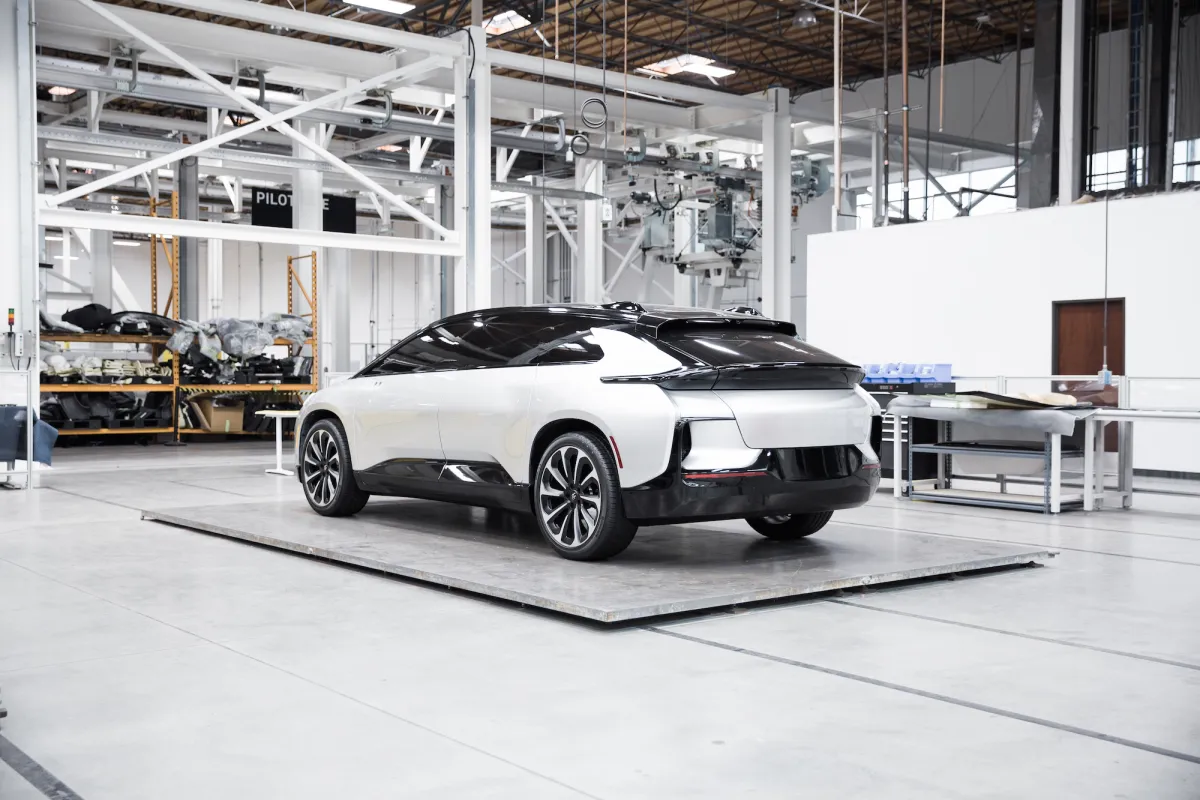
Founded in California in 2014 by Jia Yueting, a businessman previously associated with the tech conglomerate LeEco, Faraday Future aimed to become a competitor to Tesla. The startup attracted talent from Tesla and other major automakers, boasting a workforce of around 1,400 at its peak. However, its ambitions faced challenges soon after its flashy debut at the 2016 Consumer Electronics Show.
The company unveiled its luxury electric SUV, the FF91, in 2017 but quickly encountered financial hardships, leading to significant layoffs. By the time Jia faced issues in China, including being placed on a government debtor blacklist, the company had begun to lose momentum. An investment from the Chinese real estate giant Evergrande provided temporary relief, but that relationship deteriorated, culminating in further layoffs.
In 2019, Jia nominally stepped down as CEO while also restructuring his personal finances through a bankruptcy filing to mitigate debts from LeEco. Despite this, he maintained substantial influence within Faraday Future’s operations. When the company went public in 2021 and raised approximately $1 billion, concerns arose within the board regarding his control over daily activities, leading to the establishment of a special investigative committee.
This committee quickly engaged external legal and forensic accounting agencies, with the findings reported directly to the SEC. Subsequently, Jia was sidelined in early 2022, and other key executives faced repercussions for noncompliance with the investigation.
Discussions revealed that Faraday Future had previously depended on multi-million-dollar loans from employees tied to Jia, categorized as “related party transactions.” In March 2022, the company publicly acknowledged the SEC’s investigation as well as queries from the Department of Justice, indicating the unfolding nature of the scrutiny.
Avoiding Enforcement Actions
As the SEC investigation progressed, internal power struggles ensued, leading to threats against board members and eventual resignations that allowed Jia’s associates to regain control. Amid these turmoil, Faraday Future began delivering its first FF91 SUVs in early 2023, although former employees later filed lawsuits claiming that these sales were misleading.
In 2024, SEC investigators conducted depositions of former executives and employees, revealing multiple rounds of questioning into allegations of fraudulent sales practices leading to the final Wells Notices issued in July 2025. These notices highlighted the SEC staff’s preliminary determination to recommend an enforcement action citing various anti-fraud provisions.
Key allegations included “false or misleading statements” made during the SPAC merger related to Jia’s involvement in company governance and financial transactions. In addition to Jia, other executives received Wells Notices, marking a critical juncture in the scrutiny of Faraday Future’s operational integrity.
Despite these hurdles, Faraday Future is attempting to pivot its business strategy by introducing more affordable hybrid and electric vehicles from China, as well as exploring other ventures, such as robotics and biotechnology. However, on Friday, the company faced a warning from Nasdaq regarding its stock price, which fell below the minimum threshold of $1, risking potential delisting.
This investigative saga is representative of the broader regulatory environment for electric vehicle startups, underscoring the SEC’s vigilant approach toward disclosures and operational transparency in the burgeoning EV sector.