

Stablecoin Realities Beyond the Peg
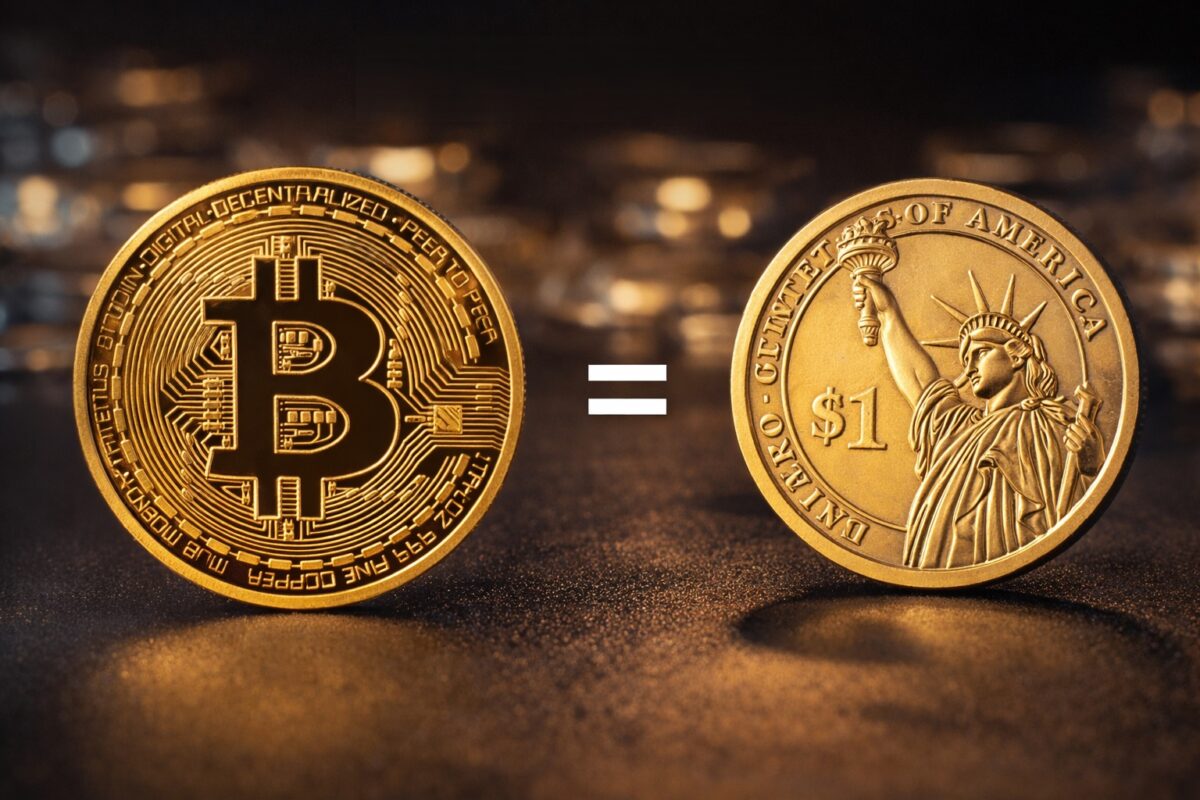
While stablecoins are designed to maintain a 1:1 ratio with the US dollar, real-world business outcomes often deviate from this ideal due to conversion spreads and intricate multi-network routing complexities. Research published in the European Journal of Finance reveals that major USD-pegged stablecoins face an annualized devaluation probability averaging 60 basis points under normal market conditions. This figure can escalate to over 200 basis points during periods of heightened market volatility.
The Challenges of Spread Variability
For fintech companies engaged in the acceptance and settlement of these digital assets, this market behavior introduces significant spread uncertainty and ongoing reconciliation challenges. Each transaction compels firms to question the actual value they will receive at the settlement’s conclusion. Even a modest average spread can result in substantial financial leakage when scaled. For instance, a client processing $10 million monthly in diverse stablecoins could incur approximately $5,000 in avoidable monthly losses due to just 5 basis points (0.05 percent) of conversion and routing inefficiencies.
Enhancing Predictability in B2B Infrastructure
To address this crucial gap in the market, Rhino.fi has launched Stablecoin 1:1. Drawing on six years of experience in building API infrastructure for stablecoin deposits, this feature continuously monitors the global foreign exchange rate between USDC and USDT. It provides users with a guaranteed 1:1 quote, complete with an explicit fee structure and no hidden spreads.
Interchangeability and Support Across Blockchains
The system regards USDT and USDC as fully interchangeable units of USD for both acceptance and settlement, irrespective of the originating blockchain. Currently, it supports these assets across over 25 blockchain networks, including significant ecosystems like Ethereum, Tron, TON, Base, Polygon, Arbitrum, and Solana. This level of interoperability is essential for fintech firms operating in a multi-chain environment.
Client Flexibility and System Integrity
Clients benefit from the operational flexibility to either absorb this explicit fee themselves or pass it directly to end customers, tailored to their specific pricing strategies. To maintain system integrity, Rhino.fi has implemented robust guardrails for each client and end-user, effectively mitigating the risk of arbitrage exploitation.
Market Expectations and Regulatory Developments
Consumer-facing platforms like Revolut have set public expectations for seamless 1:1 USD and stablecoin conversions, and Rhino.fi aims to replicate this clarity within the B2B infrastructure layer. WirexPay has joined as an early design partner in this technological deployment. Will Harborne, CEO of Rhino.fi, emphasized the urgent need for upgraded infrastructure to meet these expectations.
Transforming Stablecoins into Reliable Payment Systems
As digital assets gain traction as core components of payment infrastructure globally, the demand for predictability and transparency is becoming increasingly vital. This industry-wide evolution is supported by emerging regulatory frameworks, such as the MiCA initiative in Europe, alongside heightened global engagement with stablecoin payment models. Lexi Short, Rhino.fi’s chief growth officer, highlighted the company’s focus on eliminating the confusion surrounding stablecoin selection and settlement outcomes. She stressed that predictability is the cornerstone that will transform stablecoins from a mere feature of crypto into a reliable payment solution.