Mastercard Aims to Transform Stablecoins into Everyday Payment Tools
Mastercard is harnessing its extensive global network to convert stablecoins from speculative assets into practical payment instruments, particularly focusing on the trillion-dollar remittance market. The company’s strategy is underpinned by a commitment to trust and regulatory compliance.
Although blockchain technology has been in existence for over 15 years, providing 24/7 transactions and transparency, its inherent volatility has hindered its adoption as a reliable medium of exchange. The emergence of stablecoins—digital assets designed to maintain consistent value—offers a potential solution, paving the way for their application in areas beyond cryptocurrency trading.
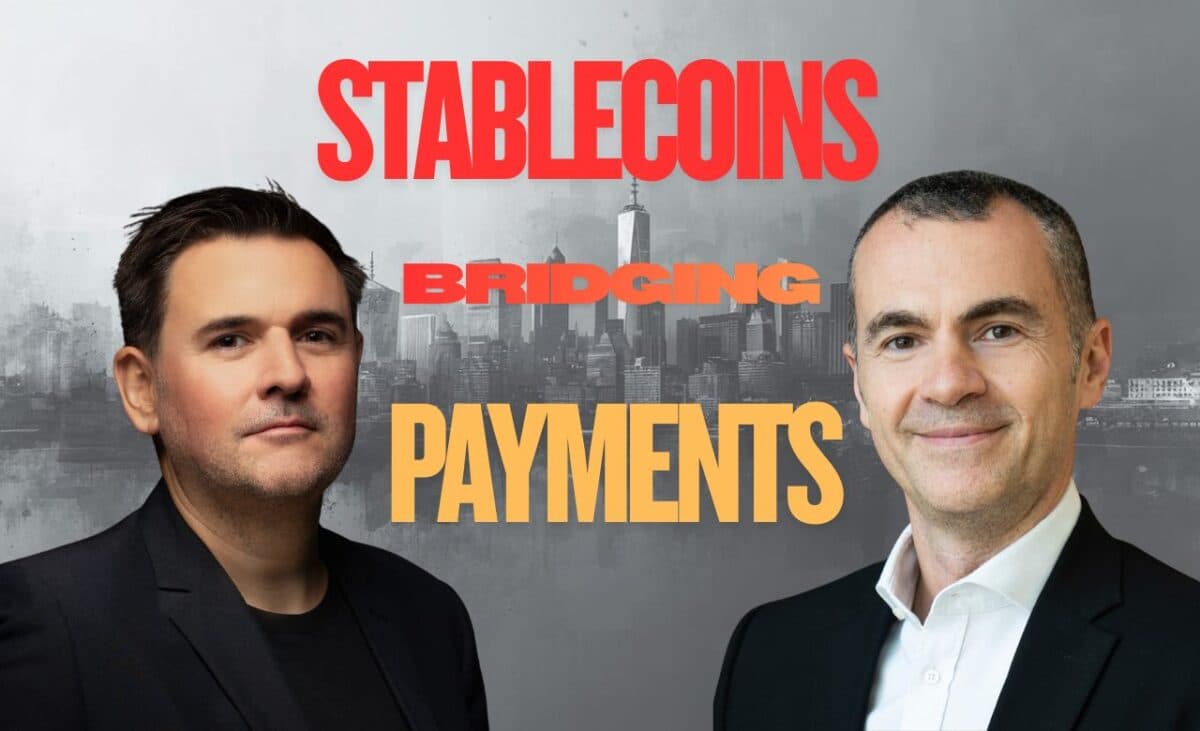
According to Mete Guney, the executive responsible for Mastercard’s dealings with non-financial institutions, the payments giant views stablecoin technology as a crucial element of the future financial landscape. Currently, 90% of stablecoin volume is tied to crypto trading, but Guney believes that adoption is gaining momentum for real-world applications, such as business payments, escrow accounts, and prominently, cross-border remittances.
Addressing Challenges in Cross-Border Payments
Cross-border payments have historically been fraught with high fees, lengthy settlement times, and a lack of transparency. International money transfers can take several days, leaving senders uncertain about the final costs and the whereabouts of their funds.
Guney emphasizes that stablecoins are specifically designed to alleviate these issues, offering instant settlement, reduced costs, and complete traceability. This is particularly significant in the Gulf Cooperation Council (GCC) region, which is a global hub for remittance flows. Mastercard is already employing stablecoins for settling international remittances in this area, marking a shift from conceptual utility to practical implementation.
Establishing Trust as a Prerequisite for Adoption
For stablecoins to transition from a niche innovation to a mainstream payment method, building trust is essential. Guney stresses that without trust and appropriate regulation, widespread adoption may falter.
He points to the United Arab Emirates as an exemplary jurisdiction fostering this environment of trust. With regulatory bodies like VARA and the Central Bank of the UAE developing clear frameworks, the region is witnessing the emergence of Dirham-backed stablecoins issued by licensed financial institutions, including Al Maryah Bank and Zand.
Creating a Robust Infrastructure
Mastercard is positioning itself as a critical conduit between the fragmented world of digital assets and traditional finance. The company’s approach relies heavily on strategic partnerships and infrastructure development.
Collaborations with industry leaders such as Circle and Paxos are allowing acquirers to settle transactions in stablecoins while assisting financial institutions in minting and distributing compliant digital assets. Furthermore, Mastercard’s Multi-Token Network (MTN) aims to standardize these technologies, acting as a “highway” that connects isolated domains and simplifies access for financial players.
A significant challenge to widespread adoption lies in ensuring interoperability. With potentially thousands of stablecoins entering the market, it would be impractical for merchants to integrate them all individually. Mastercard is tackling this issue by introducing stablecoin-backed payment cards.
Guney elaborated that this innovative solution allows users to link their cards to stablecoin wallets or any digital asset wallet, enabling them to make purchases wherever Mastercard is accepted.
Expanding Utility and Future Applications
Looking forward, the functionality of stablecoins is anticipated to broaden through programmability, allowing funds to be released only under specific conditions. This feature, which has not yet been fully exploited, could unlock a range of complex new use cases for automated payments.
Guney also forecasts a diversification of assets backing these coins, proposing that we may soon see stablecoins supported by commodities like gold or silver, providing users with additional avenues to store and transfer value amid global economic fluctuations.
As the digital economy advances, the merging of regulated stablecoins with established payment networks seems poised to revolutionize the movement of money across borders.