Family Rejects Multimillion-Dollar Offer for Farmland Preservation
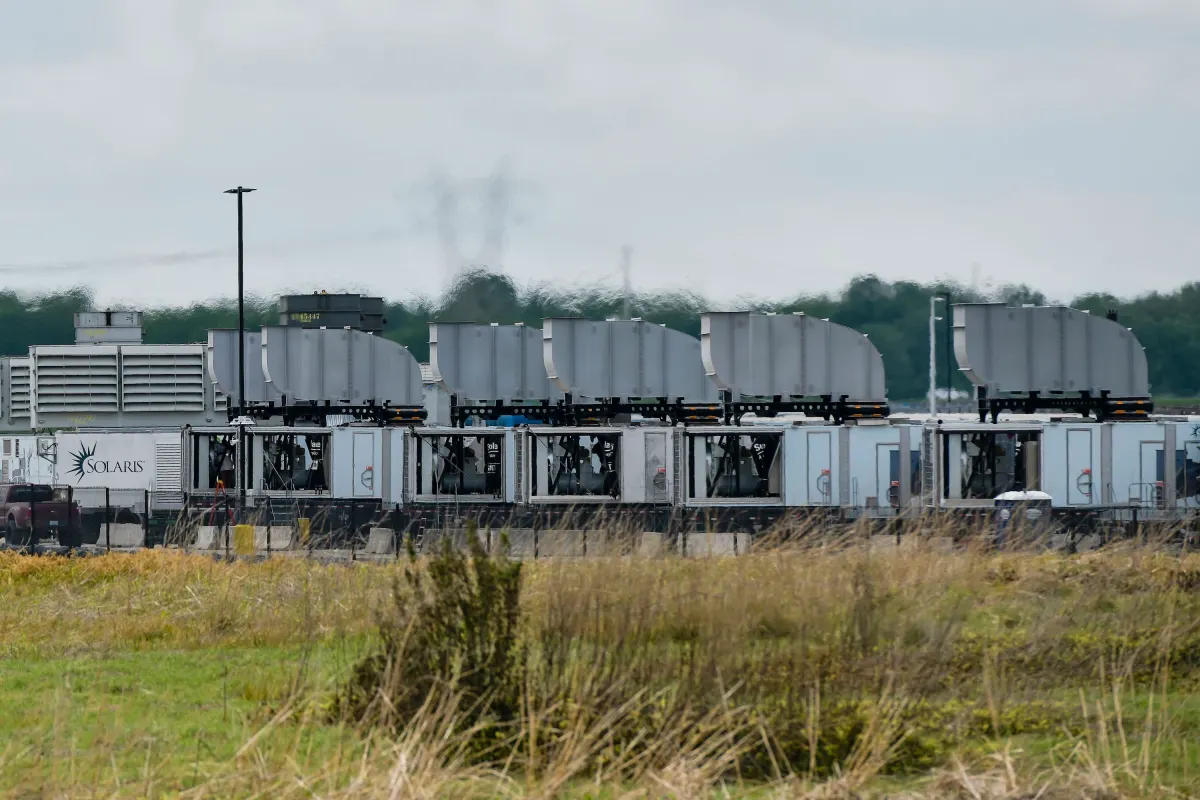
For generations, the Huddleston family has cultivated a farm in northern Kentucky, staunchly prioritizing its preservation over financial gain. Last year, they received a substantial $26 million offer from a major artificial intelligence company to sell a portion of their 1,200 acres for a proposed data center. However, the family decided against the lucrative deal, citing concerns about the implications of having a data facility near their property located just outside Maysville.
Economic Concerns Over Data Center Development
The family’s decision reflects a growing apprehension among rural communities regarding the impact of data centers on local environments and economies. Ida Huddleston, 82, explained their position, saying they are more than just “old stupid farmers.” She expressed awareness of the broader implications of food scarcity, land degradation, and water shortages, concerns that have been well-documented in recent reports about environmental issues surrounding data centers.
Awareness of Environmental Impacts
Huddleston elaborated on how recent incidents of water shortages and ground contamination linked to nearby data centers have heightened their concerns. She emphasized the importance of protecting their land, despite the allure of a significant financial payout. The conversation around data center development is evolving as more communities grapple with the dual pressures of economic development and environmental sustainability.
Community Doubts About Promised Economic Benefits
In her interview with the local news outlet, Huddleston expressed skepticism regarding the economic benefits that the proposed data center would bring to Mason County. “It’s a scam,” she stated, reflecting a sentiment that is becoming increasingly common in similar debates across the country where local residents question the promised job creation and economic growth tied to such developments.
Revised Plans and Zoning Requests
Despite the family’s objections, the unnamed AI company has reevaluated its strategy and submitted a zoning request to modify over 2,000 acres in northern Kentucky. This move indicates that the firm may still pursue plans to establish a data center adjacent to the Huddleston’s property, intensifying the family’s dilemma over preserving their farmland against the backdrop of modern technological demands.
The Balancing Act Between Development and Preservation
This situation spotlights the tension between agricultural preservation and the burgeoning tech industry, particularly as data centers proliferate across the United States. As rural communities face mounting pressure from tech companies seeking land for expansion, the Huddleston family’s story serves as a poignant reminder of the crucial balance between technological advancement and environmental stewardship.
Local Impact Considerations Emerge in National Debate
The Huddleston family’s decision and their concerns resonate far beyond Kentucky, contributing to a national dialogue about the role of local communities in accommodating rapid technological expansion. This case underscores the need for transparent discussions about the environmental and social implications of data centers, urging policymakers to consider the voices and values of those directly affected by such developments.