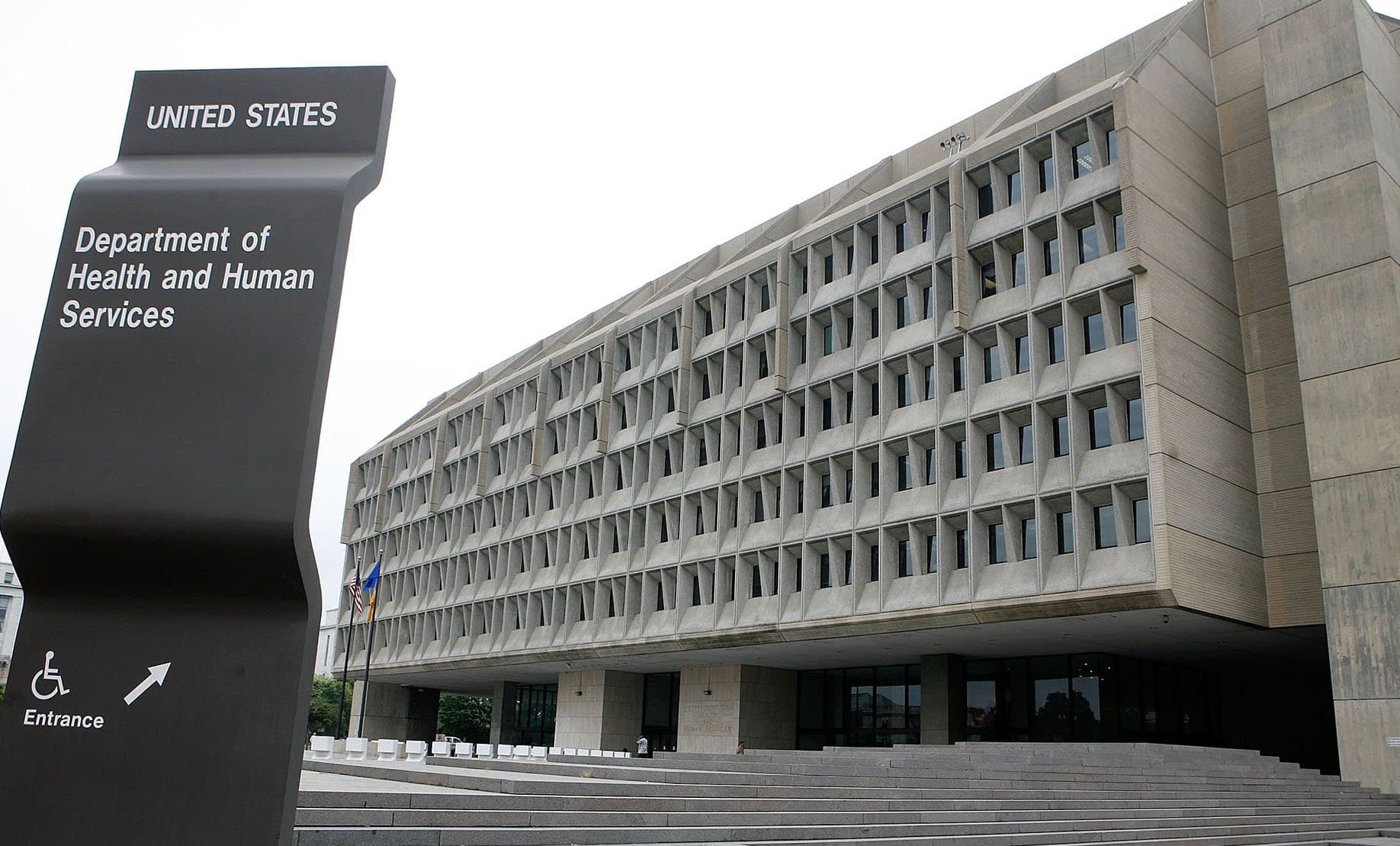
HHS Launches AI Strategy to Revolutionize Federal Operations
The Department of Health and Human Services (HHS) has introduced a comprehensive artificial intelligence (AI) strategy aimed at enhancing the efficiency and effectiveness of federal personnel. This initiative seeks to integrate AI technologies into internal operations, research activities, and public health initiatives.
Integration of AI in Healthcare Systems
In a recent announcement, HHS declared its commitment to utilizing the C3 interagency data platform. This innovative approach will combine disease-specific data from the National Institutes of Health (NIH) with information from Medicare, Medicaid, and state registry datasets. The primary goal is to enhance data quality and improve governance within the Centers for Medicare and Medicaid Services (CMS).
Significance of the OneHHS Strategy
The “OneHHS” strategy emphasizes collaboration across various divisions within HHS, such as the Centers for Disease Control and Prevention (CDC), the Food and Drug Administration (FDA), and the National Institutes of Health (NIH). By building a robust AI infrastructure, the strategy aims to streamline workflows and enhance cybersecurity, ensuring a cohesive approach to artificial intelligence at all levels of the department.
First Steps Towards AI Integration
While the strategy lays a strong foundation for internal improvements, HHS has clarified that it will not initially incorporate AI into the delivery of public services. The focus is on optimizing internal operations and enhancing efficiency—objectives outlined by the Office of Management and Budget (OMB). This measured approach sets the stage for future innovations in AI delivery.
Engaging with Private Sector for Collaborative Solutions
HHS’s strategy also creates opportunities for partnership with private sector stakeholders. By fostering collaboration, the agency aims to co-develop solutions that leverage AI’s transformative potential. This engagement is vital for maximizing the benefits of artificial intelligence in federal operations and public health.
Five Pillars of the AI Strategy
HHS’s AI strategy is built around five essential pillars designed to guide its implementation and optimization. These pillars encompass governance and risk management to retain public trust, adaptive infrastructures tailored to user needs, workforce development to improve efficiency, promoting health research resilience, and modernizing public healthcare approaches to enhance outcomes.
Driving Innovations in Healthcare
Under the leadership of Clark Minor, the Acting Director of Artificial Intelligence at HHS, this strategy reflects the Trump Administration’s AI Action Plan and executive orders related to AI. “AI has the potential to revolutionize health care and human services, and HHS is leading this paradigm shift,” stated Assistant Secretary of Health and Human Services, Jim O’Neill. This strategic direction aims to facilitate significant advancements in patient outcomes and public health initiatives.
In summary, the Department of Health and Human Services is poised to enhance its operations through a well-structured AI strategy that emphasizes collaboration, efficiency, and innovative solutions. This initiative is not just about technology; it’s about improving the lives of individuals and driving meaningful change in public health.