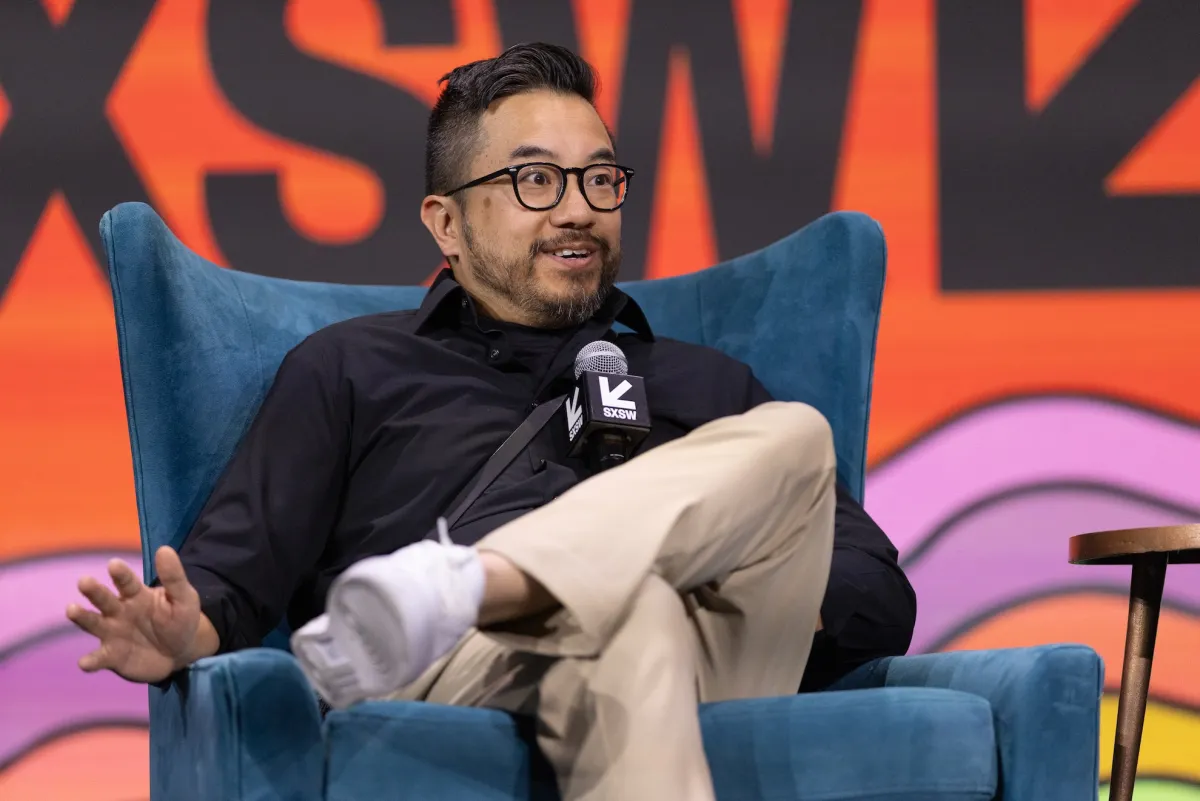
The Garry Tan Claude Code setup called “gstack” has divided the developer community since its open-source release on March 12, 2026. While the Y Combinator CEO shared his AI workflow at SXSW to widespread enthusiasm, critics soon pushed back with sharp skepticism about whether it deserves the hype.
Tan told fellow venture capitalist Bill Gurley on stage that he was sleeping only four hours a night. He described this state as “cyber psychosis,” driven entirely by his obsession with AI-assisted development. Rather than relying on stimulants popular in startup culture, he credited the framework with fuelling his creative energy around the clock. His previous startup required $10 million in venture capital and two years of work. The AI-driven approach has compressed that timeline dramatically.
Garry Tan Claude Code Setup: What gstack Brings to the Table
So what does the Garry Tan Claude Code gstack setup do? At its core, it packages a collection of specialized “skills” into Anthropic’s Claude Code command-line tool. Each skill assigns the AI a specific role within a structured development workflow.
Instead of treating the tool as a single all-purpose assistant, gstack breaks software delivery into distinct phases. One skill prompts the AI to evaluate startup ideas like a CEO. Another directs it to write features as a software engineer. Additional skills handle code review, design consultation, QA testing, and release documentation.
The GitHub repository now lists 13 skills. The setup requires just two paste commands to install and operates under an MIT open-source licence. Because the skill definitions are pure Markdown configuration files, they work with any project regardless of programming language.
According to analysis from SitePoint, constraining what the AI focuses on at each stage reduces revision cycles. By limiting scope per role, developers get more consistent results from each interaction.
How the Viral Launch Unfolded
On March 12, Tan posted his repository to X (formerly Twitter). The tweet went viral almost immediately. Within days, the Garry Tan Claude Code setup had trended on Product Hunt and accumulated nearly 20,000 stars on GitHub.
Early adopters praised the structured approach. Developers noted that separating planning and review into distinct AI “modes” produced more reliable outputs. On Product Hunt, multiple users highlighted how the /qa skill helped them ship features with fewer bugs.
However, enthusiasm shifted when Tan shared a text message from a CTO friend. The friend reportedly called gstack “god mode,” claiming it had uncovered a subtle cross-site scripting vulnerability. That endorsement became the lightning rod for criticism.
5 Key Criticisms of the Framework
First, critics argued that gstack consists of prompt engineering techniques experienced developers could replicate on their own. Vlogger Mo Bitar published a video titled “AI is making CEOs delusional.”
Second, many developers pointed out they had already built similar custom setups privately. The Garry Tan Claude Code framework offered nothing genuinely new to daily AI coding users.
Third, the “god mode” endorsement drew harsh responses. One founder posted on X that Tan “should be embarrassed” for sharing it.
Fourth, sceptics questioned whether Tan’s celebrity status gave the project undeserved attention. Without his name, the tool would have attracted far less interest.
Fifth, concerns emerged about non-technical executives promoting AI coding tools with unrealistic expectations.
Why the Garry Tan Claude Code Debate Matters
Beyond the drama, this controversy reflects a much larger conversation across the technology sector. AI coding assistants have moved from novelty to necessity in many workflows. Meanwhile, competitors like Mistral are pursuing customizable AI solutions to compete in the enterprise market.
As TechCrunch reported, even ChatGPT and Gemini offered supportive assessments of gstack when asked to evaluate it. Both described it as a system that enhances coding accuracy rather than replacing the process.
The broader trust discussion continues to intensify. As noted in a recent FintechBits analysis, Claude has overtaken ChatGPT in trust metrics. This shift adds another layer to the conversation about which platforms developers feel comfortable building around.
What Comes Next for the Project
Despite polarised reception, the Garry Tan Claude Code gstack project continues to evolve rapidly. According to MarkTechPost, the persistent browser daemon runs a long-lived headless Chromium process. A cold start costs three to five seconds. Subsequent calls drop to roughly 100 to 200 milliseconds after startup.
The /qa skill analyses branch diffs, identifies affected routes, and tests application paths automatically. Every bug fix generates a regression test. Tan credited this skill with helping him scale from six to twelve parallel workers.
Other companies are exploring AI-driven approaches to content and revenue in ways that parallel these ambitions for development workflows. Whether gstack becomes a lasting fixture or fades as a momentary curiosity remains to be seen. What is clear is that the Garry Tan Claude Code project has forced a necessary conversation about professional standards for AI-assisted development at scale.