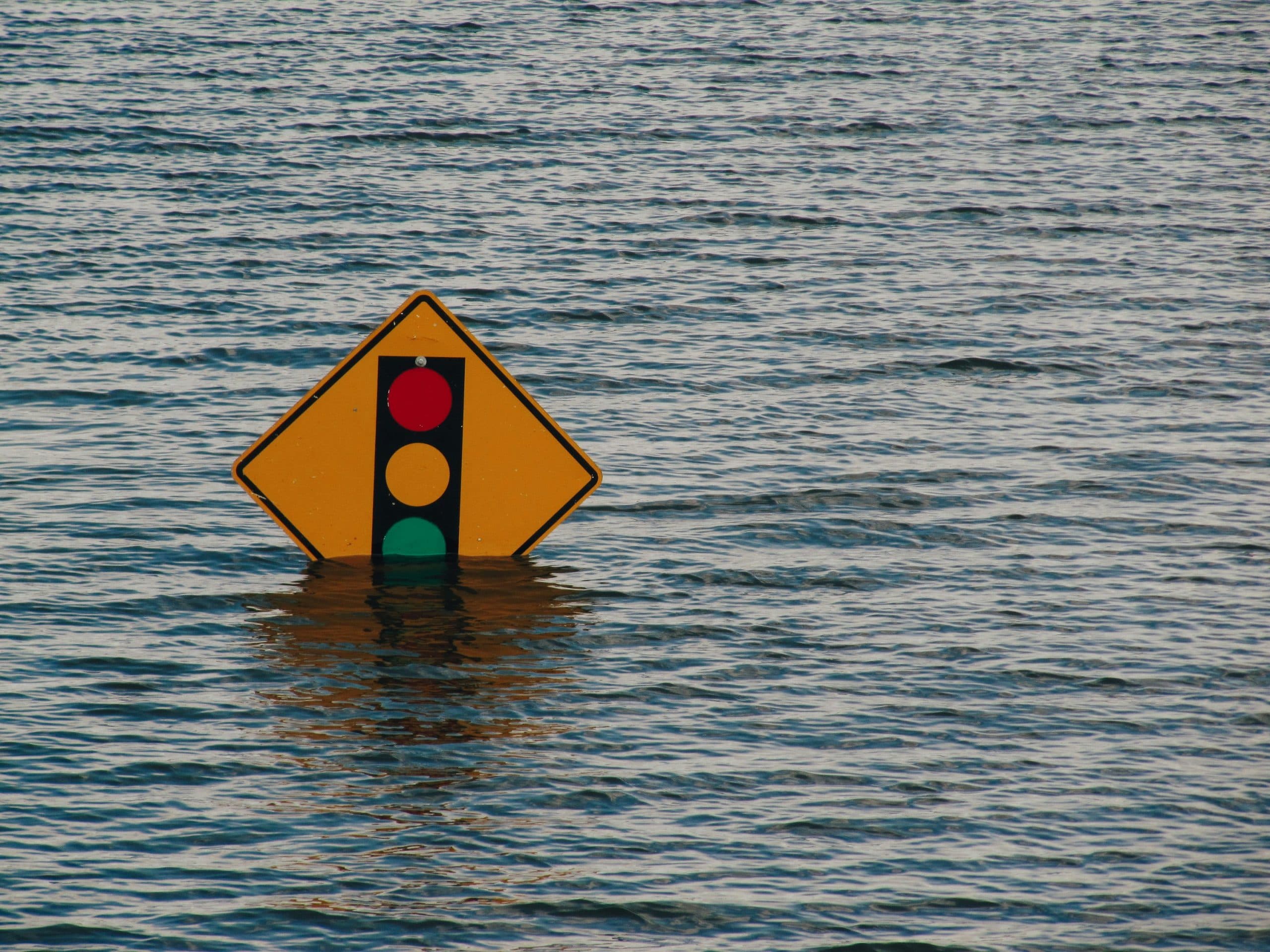
The Rising Threat of Climate Change on Insurance Markets
Climate change is no longer a distant concern for risk management teams; its immediate effects are being felt in the form of increasing annual losses, rising premiums, and a retreat from insurers, leading to consequences beyond just household coverage.
The Insurability Crisis: A Looming Threat
According to Ortec Finance, climate change could incite an insurability crisis that jeopardizes the stability of the global financial system. As extreme weather events become more frequent and intense, the financial ramifications of insurance become a pressing issue, likely to affect mortgage lending, diminish asset values, and further strain public finances.
Alarming Trends in Insurance Costs
Swiss Re has reported that inflation-adjusted insured losses tied to natural disasters, predominantly climate-related, are escalating at a rate of 5-7% annually. Furthermore, industry leaders have cautioned that the conventional methods of risk transfer may not endure the continuing rise in global temperatures. Allianz’s Günther Thallinger indicated that if temperatures rise by 3°C, insurance may become unattainable across significant sectors of the economy, potentially destabilizing the financial system.
The Current Warming Trajectory
Currently, Climate Action Tracker suggests the world might be on a path towards approximately 2.6°C of warming by 2100. This projection highlights that even a moderate increase of 2°C—deemed achievable within a few decades—could render insurance unaffordable for more households in high-risk areas.
Signs of Insurability Issues in Major Markets
Evidence of this insurability challenge is surfacing in key markets. In the United States, the percentage of uninsured homes has more than doubled from 5% in 2019 to 12% in 2024, with premiums estimated to surge by 38%, nearly double the inflation rate. The Federal Reserve warns that within the next 10 to 15 years, certain regions could become effectively uninsurable, making mortgage lending increasingly challenging.
Europe’s Growing Protection Gap
In Europe, only 20-25% of catastrophe-related losses are covered by insurance policies, with the protection gap continuing to widen. For instance, in the Netherlands, specific risks like flooding from the North Sea and significant rivers are inadequately insured. A 2019 Ecorys report found that risks such as “heap rot” affect around 800,000 homes, with average repair costs estimated at €64,000 per house, costs that homeowners must bear alone.
Implications for Insurers and Communities
This situation poses not only a pricing dilemma for insurers but also a challenge to their long-term sustainability. As the frequency of climate-related claims rises, the ability for communities and businesses to bounce back after disasters becomes crucial in shaping future loss trends and the viability of insurance markets.
A Call for Preventive Measures
If proactive steps are not taken, the problem of insurability could evolve into a widespread systemic issue that threatens housing finance, destabilizes markets, and increases governmental budgeting burdens. Addressing climate change impacts on the insurance sector must become a crucial consideration for stakeholders worldwide.
Copyright © 2026 FinTech Global