

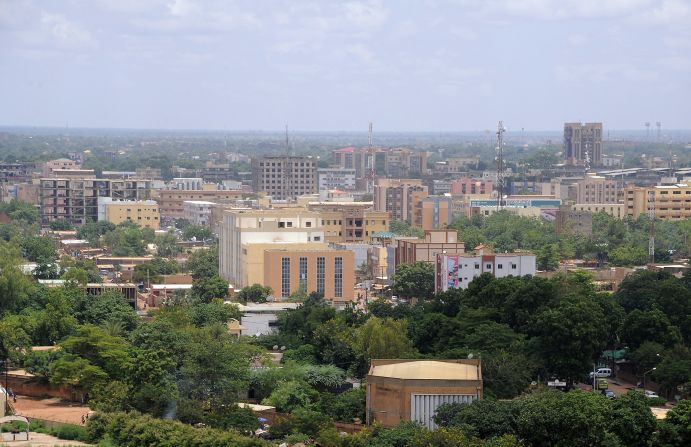
Burkina Faso fintech is one of West Africa’s quieter growth stories, but it is picking up real speed in 2026. The ecosystem sits at the crossroads of mobile connectivity, regional regulation, and a massive unbanked population that needs better financial tools. Security challenges and infrastructure gaps have slowed progress across multiple sectors. Yet beneath those hurdles, mobile payments and government-backed digital programs are steadily changing how people handle money. As Africa’s fintech future continues to take shape, smaller markets like this one are proving they deserve closer attention from investors and entrepreneurs alike.
Burkina Faso Fintech Runs on Mobile Money
Mobile money drives the bulk of Burkina Faso fintech activity right now. Most of the population still relies on cash for everyday transactions, so traditional banks serve only a fraction of the market. That gap has opened the door for mobile payment providers to step in. Orange Money, Moov Money, and Wave are the three dominant platforms, letting users send money, receive remittances, and pay bills without ever visiting a bank branch.
According to DataReportal’s Digital 2026 data, there were 29.3 million active mobile connections in Burkina Faso by late 2025. That figure is equivalent to 121% of the total population. Internet penetration sits at 22.4%, but mobile broadband covers nearly 90% of connections. That growing coverage is the fuel behind digital finance adoption across urban and rural areas.
Mobile wallets are no longer limited to simple transfers, either. Some providers now offer micro-savings, merchant payments, and microloan access through their platforms. A GSMA report on mobile money in West Africa found that active 30-day accounts across the WAEMU region hit 76 million between 2021 and 2022, the highest growth rate globally that year. Each new feature pulls more users deeper into the digital economy, creating more data and more opportunities for fintech companies to build on top of existing infrastructure.
How WAEMU Regulation Shapes the Landscape
Burkina Faso’s membership in the West African Economic and Monetary Union (WAEMU) plays a critical role in shaping its fintech landscape. The Central Bank of West African States (BCEAO) oversees digital finance regulation across all eight member nations, and it has been tightening oversight recently.
In September 2025, the BCEAO launched its Interoperable Instant Payment System Platform (PI-SPI), mandating instant transfers between banks, mobile money operators, and fintechs. This means a Wave user can now send money to an Orange Money wallet without extra fees. For Burkina Faso fintech companies, that interoperability removes friction and opens up entirely new use cases across the payments chain.
Beyond local benefits, the WAEMU structure offers cross-border scalability. A licensed startup can expand into Senegal, Ivory Coast, or Mali without navigating entirely separate regulatory regimes. However, regional approval processes can be slow and complex, which acts as a barrier for smaller players. Despite those hurdles, the unified framework provides stability that many fragmented markets lack. Similar dynamics play out in other emerging African fintech ecosystems facing comparable infrastructure and inclusion challenges.
A Small but Growing Startup Scene
Compared to Africa’s big four hubs, the Burkina Faso fintech startup scene remains early-stage. Roughly 15 companies operate in the country, spanning digital payments, mobile wallets, insurance technology, and financial infrastructure platforms.
Several names stand out. LigdiCash handles digital payment processing. Coris Money leverages Coris Bank International’s network for mobile money services. SwagPay focuses on merchant payments, while M-Score builds credit scoring tools for a market with limited financial data. What makes this landscape interesting is the gap between demand and supply. Millions of people still lack access to savings accounts, credit products, and insurance, and every one of those gaps represents a potential use case for a digital financial solution.
Funding remains tough, though. Most local fintech startups struggle to attract the venture capital that flows into Nigerian or Kenyan companies. International investors tend to focus on larger, more established markets, which means local founders often bootstrap their way through early growth stages. Still, the trajectory points upward as the WAEMU regulatory framework matures and mobile penetration keeps climbing. The startups already on the ground hold a first-mover advantage that could pay off significantly once capital starts flowing more freely into francophone West Africa.
Government Spending Signals Commitment
The Burkinabe government is not sitting idle when it comes to supporting Burkina Faso fintech growth. Its Ministry of Digital Transition has allocated 61 billion CFA francs (roughly $109.4 million) for digital projects in 2026, nearly doubling the previous year’s budget. That plan covers 156 activities including 270 km of new optical fibre, mobile coverage for 750 identified white zones, and the digitisation of 100 administrative procedures.
International partnerships have also contributed. The World Bank has supported the digitisation of Treasury payments through bank cards and mobile money, reducing cash handling and improving transparency across government finances. Meanwhile, the United Nations Capital Development Fund (UNCDF) has worked alongside the government to expand digital financial services for underserved populations. These investments in connectivity and digital skills are building the human capital that Burkina Faso fintech companies need to grow and compete. Countries like Algeria are pursuing similar strategies to strengthen their own digital finance foundations.
What Comes Next for Burkina Faso Fintech
Looking ahead, the trajectory for Burkina Faso fintech depends on infrastructure improvements, continued BCEAO regulatory clarity, and increased access to funding. Security challenges remain a wildcard that can slow investment and discourage both local and foreign entrepreneurs from entering the market.
That said, the fundamentals are promising. A young, growing population with increasing mobile access creates a large addressable market. The WAEMU framework offers a clear path to regional scale. And the gap between existing financial services and the population’s needs ensures that demand for digital solutions will persist for years to come.
For investors and entrepreneurs watching West African digital finance, Burkina Faso fintech deserves a closer look. It will not rival Lagos or Nairobi anytime soon, but the country offers a combination of regulatory stability, unmet demand, and mobile infrastructure that makes it a quiet opportunity worth tracking.
In 2026, Burkina Faso fintech remains early-stage by any measure. But early-stage markets are where the biggest opportunities tend to hide.