Subscribe to Updates
Get the latest news from Fintechbits.
- Brazilian InsurTech Azos Secures $25 Million in Series C Funding
- Meta Faces Challenges with Uncontrolled AI Agents
- AI in FinTech 2025: The Hype Is Real, But the Big Money Is Not Biting Yet
- Enhancing Efficiency: Theta Lake’s Reconciliation Tools
- CEO Carl Pei Predicts the Decline of Smartphone Apps in Favor of AI Agents
- Weaker Dollar and Diversification Enhance Appeal of Emerging Markets for Global Investors, According to Finnfund
- Regional Distributors Are Subsidising Construction’s Cash Flow Problem and Nobody’s Measuring It
- Warranty Claims Are Construction’s Hidden Financial Time Bomb
Author: Charitarth Sindhu
Author: Hasan Can Soygök, Founder, Remotify.co There is a growing disconnect between the people who manage money on paper and the people who manage it in practice. Finance professionals spend their careers building accurate reports and refining dashboards. Yet across industries, the operators and small business owners who handle money every day keep arriving at the same conclusion: the finance world is solving the wrong problems. The gap is not about intelligence or training. It is about proximity. The person coding an invoice at 6am before a shift starts experiences finance differently than the person reviewing a quarterly P&L from a corner…
By Jesse Fowler, Founder of J&J Renovations and J&J Plumbing Services I run a plumbing and renovation business. So when fintech people talk about embedded finance, they usually mean retail checkout pages or SaaS dashboards. They rarely mean the kitchen table where a homeowner is staring at a five-figure quote for a bathroom renovation. That is starting to change. And the trades industry is quickly becoming one of the most interesting frontiers in point-of-sale lending. The gap that traditional lending left wide open Here is the reality most fintech founders do not see up close. A homeowner needs a new hot water system or…
Author: Charitarth Sindhu, Fractional Business & AI Workflow Consultant Finance teams build reports. They refine dashboards. They track every dollar down to the decimal. Yet across industries, the people closest to the money say the same thing: the finance world keeps solving the wrong problems. We asked eight industry leaders, from hospitality operators and steel distributors to plumbers, swim school owners, and fintech founders, one simple question: what have you learnt about finance that finance professionals tend to overlook? Their answers point to a gap that no software update can fix. It sits between the spreadsheet and the shop floor, between…
Author: Darren Tredgold, General Manager at Independent Steel CompanyIf you work in fintech and your mental image of supply chain finance involves container ships and enterprise ERP dashboards, you are missing the market that needs you most. I run a regional steel distribution business in South-East NSW. We operate three branches across Queanbeyan, Nowra, and Moss Vale, and we service everyone from farmers building cattle yards to builders working on commercial fitouts. Our world runs on trust, fast turnaround, and keeping the right stock on the ground so local projects do not stall waiting for materials. But the past five…
Author: Hasan Can Soygök, Founder, Remotify.co Something shifted in cross-border payments between August 2025 and February 2026. Not a gradual shift either. Three forces collided at once: stablecoins got regulated, real-time payment networks started linking across borders, and legacy infrastructure finally retired. If you move money internationally for a living, here is what happened and why it matters. Stablecoins stopped being experimental The GENIUS Act, signed into law in July 2025, gave the United States its first federal stablecoin framework. That single piece of legislation removed years of regulatory ambiguity. Stablecoin issuers now need 1:1 reserve backing, monthly certification, and full…
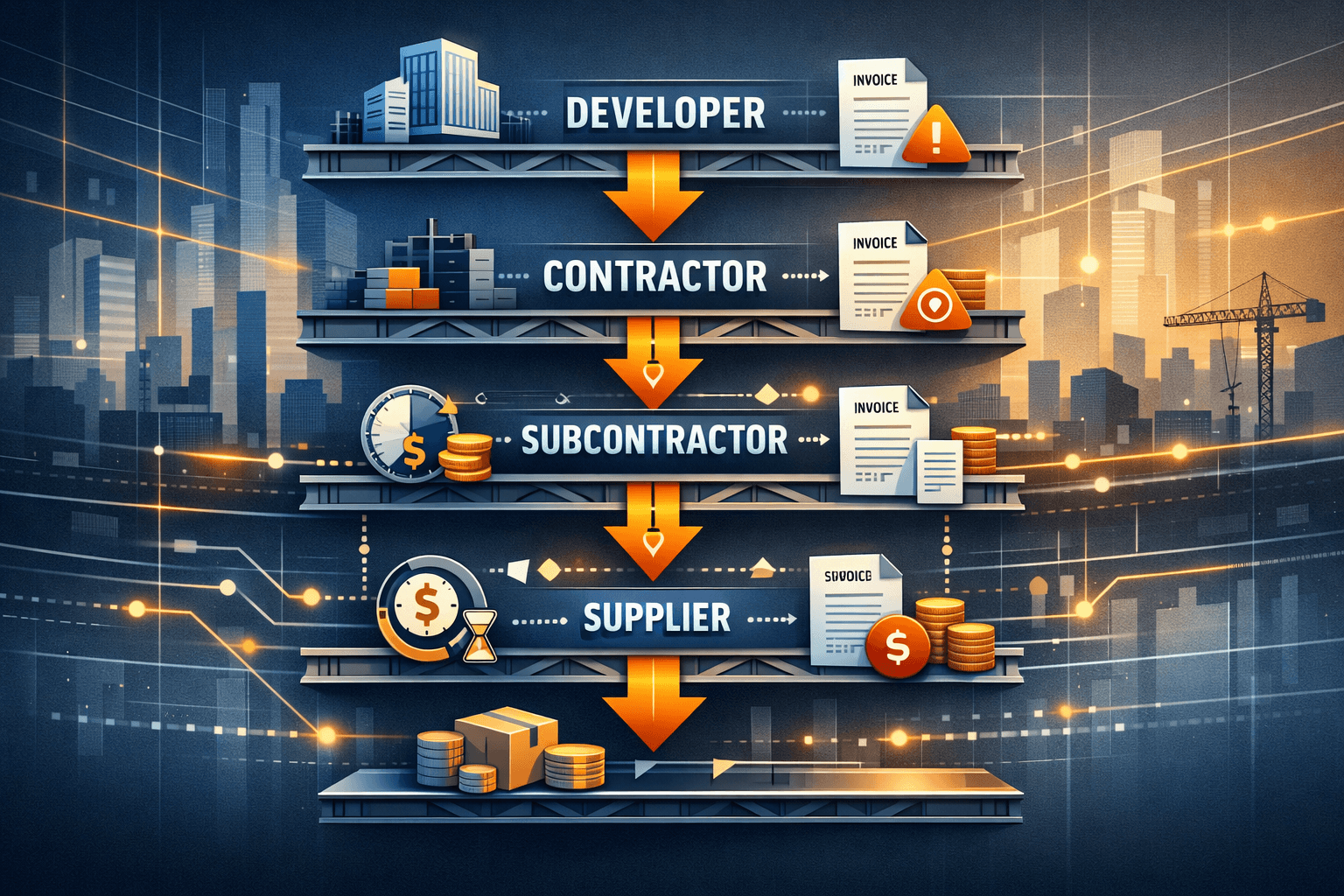
By Jesse Fowler, Founder of J&J Renovations and J&J Plumbing Services Construction doesn’t have a quality problem. It has a cash flow problem. And it’s killing good builders. Australia recorded 3,217 construction insolvencies in 2024. That’s roughly 27% of all company failures nationally, in just one industry. Names like Probuild, Porter Davis, and Project Coordination didn’t go under because they forgot how to build. They went under because the money didn’t move fast enough. I run a renovation and plumbing business in Canberra. The pattern is the same whether you’re building a $2 million custom home or replacing a hot…
Author: Charitarth Sindhu, Fractional Business & AI Workflow Consultant The EU AI Act’s August 2, 2026 deadline is closing fast. For fintech companies using AI in credit scoring, automated lending, or insurance underwriting, this is not a distant regulatory event. It is a hard compliance wall with fines reaching €35 million or 7% of global turnover. We asked founders, CTOs, and tech leaders across the industry one simple question: What is one step fintech companies should take now to prepare for the EU AI Act’s August 2026 deadline? Their answers point to a clear consensus. Start with visibility. You cannot comply…
Author: Alena Sarri, Owner Operator, Aquatots Swim schools don’t show up in fintech trend reports. They probably should. Australia has over 600 registered swim schools teaching roughly 1.5 million kids a year. Swimming is the number-one participation activity for children under four in this country. And almost every one of those schools has quietly gone fully digital with their payments over the past few years. No fanfare. No press releases. Just a whole industry ditching cash envelopes and bank transfer reminders for automated direct debits and integrated billing platforms. The result is one of the cleanest cashless transitions in any…
Author: Charitarth Sindhu, Fractional Business & AI Workflow Consultant The neobank hype cycle is over. After years of burning through venture capital to chase user growth, the digital banking sector is hitting a wall. Roughly 76% of neobanks worldwide are still losing money. Only 23 out of 453 global digital challenger banks are operationally profitable. The gap between winners and losers is getting wider, not smaller. So what separates the profitable few from the rest? We asked industry leaders from enterprise technology, media, and cross-border payments one simple question: what is the one thing neobanks must do differently to achieve profitability…
Author: Charitarth Sindhu, Fractional Business & AI Workflow Consultant The EU’s DAC7 directive came into force on January 1, 2023. Since then, it has quietly turned freelancer payment management upside down for businesses operating across Europe. We asked four industry leaders how DAC7 has changed the way they handle freelancer payments, onboarding, and reporting. Their answers paint a clear picture: this is not just a tax rule. It is a fundamental shift in how businesses document, verify, and report on every euro paid to a contractor through a digital platform. What is DAC7 and why should you care? DAC7 (Council Directive…