Subscribe to Updates
Get the latest news from Fintechbits.
- How Fintech Companies Balance AI Automation With Human Expertise in Regulated Finance
- How AI Took Over Global Finance (And Why It’s Just Getting Started)
- Seven Industry Leaders on the Emerging Market Fintech Trends About to Reshape Western Finance
- The Tokenization Wave: How Real-World Assets Are Moving On-Chain in 2025
- Why Most Neobank Customers Are Worth Almost Nothing (And How to Fix It)
- Your Plumber Knows More About Your House Than Your Insurer
- What Neobanks Must Do Differently to Achieve Profitability in 2026
- Your Next Junior Hire Might Be a $50/Month Subscription
Author: Charitarth Sindhu
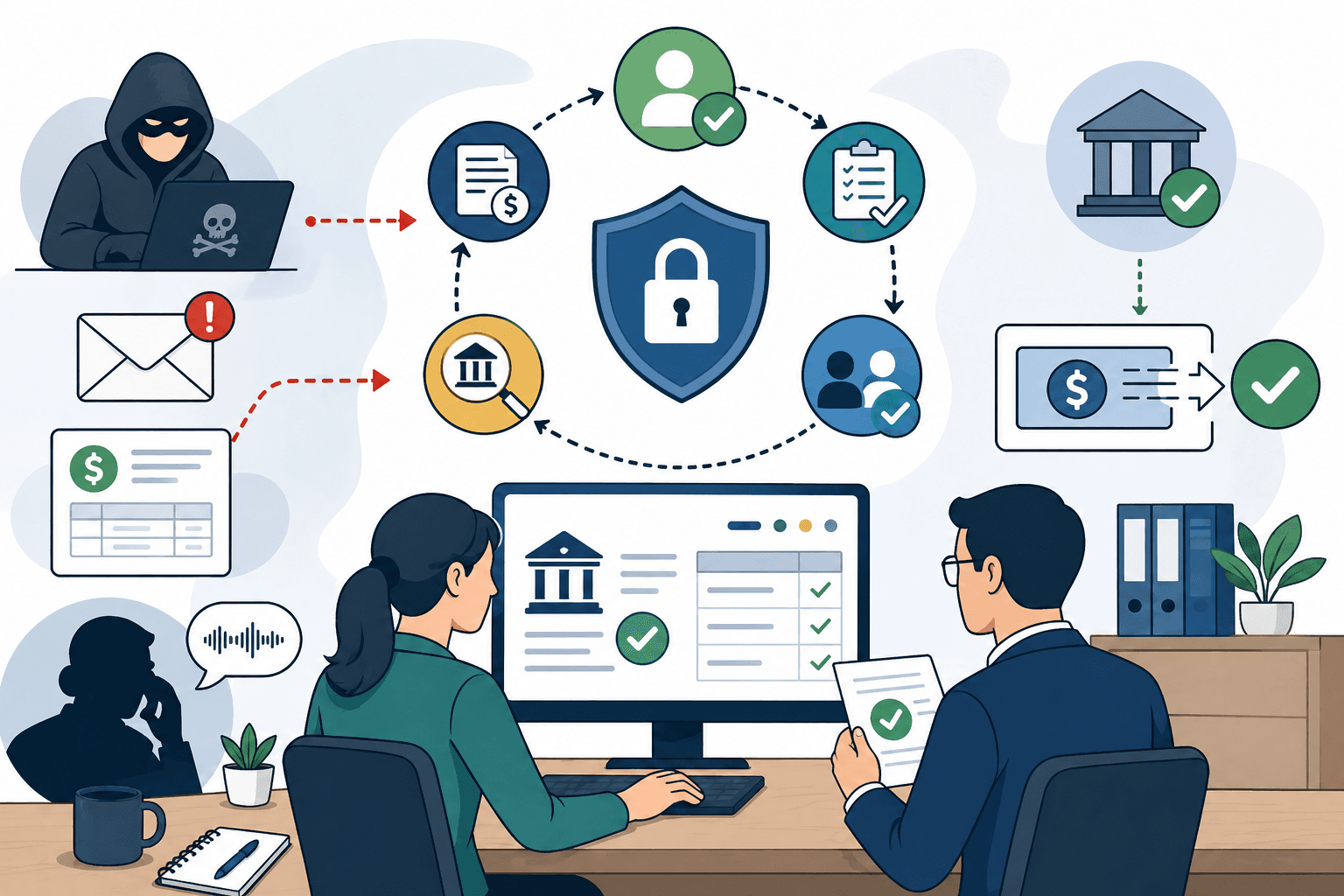
Author: Charitarth Sindhu, Fractional Business & AI Workflow Consultant Valentine’s Day is built on trust. It is also built on urgency. Those two ingredients are exactly what scammers and fraudsters look for. If you want a clean Valentine-fintech theme that is not fluffy, it is this: the holiday is a trust stress test. The background trend is not comforting. Reported fraud losses have been rising sharply. The Federal Trade Commission says consumers reported losing more than $12.5 billion to fraud in 2024, a 25% increase from the prior year. The FTC also notes that the increase was driven by a higher…
Author: Charitarth Sindhu, Fractional Business & AI Workflow Consultant Valentine’s shopping is not calm shopping. It is deadline shopping. People wait longer than they should. They buy late because they want the “right” gift. They buy late because life is busy. They buy late because they underestimate how quickly the date arrives. Then they need the purchase to happen quickly. That urgency changes what wins at checkout. It rewards two things: speed and emotional comfort. Speed is about fewer steps. Emotional comfort is about making the decision feel manageable, even if the price is higher than usual. This is where mobile…
Author: Charitarth Sindhu, Fractional Business & AI Workflow Consultant Valentine’s Day looks like a romance holiday on the surface, but in finance terms it is a predictable, short, high-pressure surge in consumer demand. People buy because the date is fixed. They buy because they do not want to miss the moment. That creates a burst of transactions that is unusually sensitive to checkout friction. In the United States, the scale is now record-setting. National Retail Federation expects Valentine’s Day spending to reach $29.1 billion, beating the prior record of $27.5 billion in 2025. They also report a record average budget of…
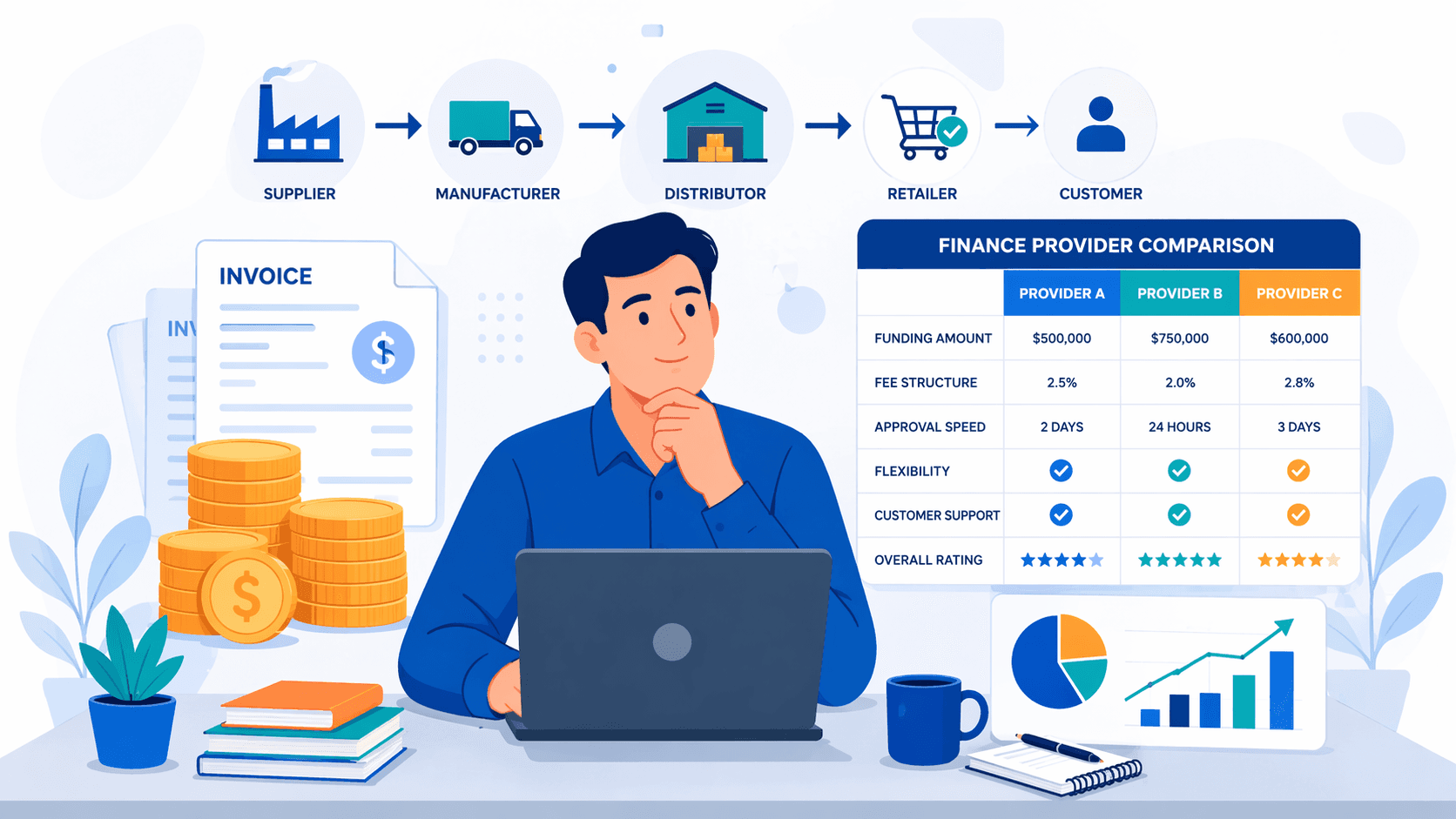
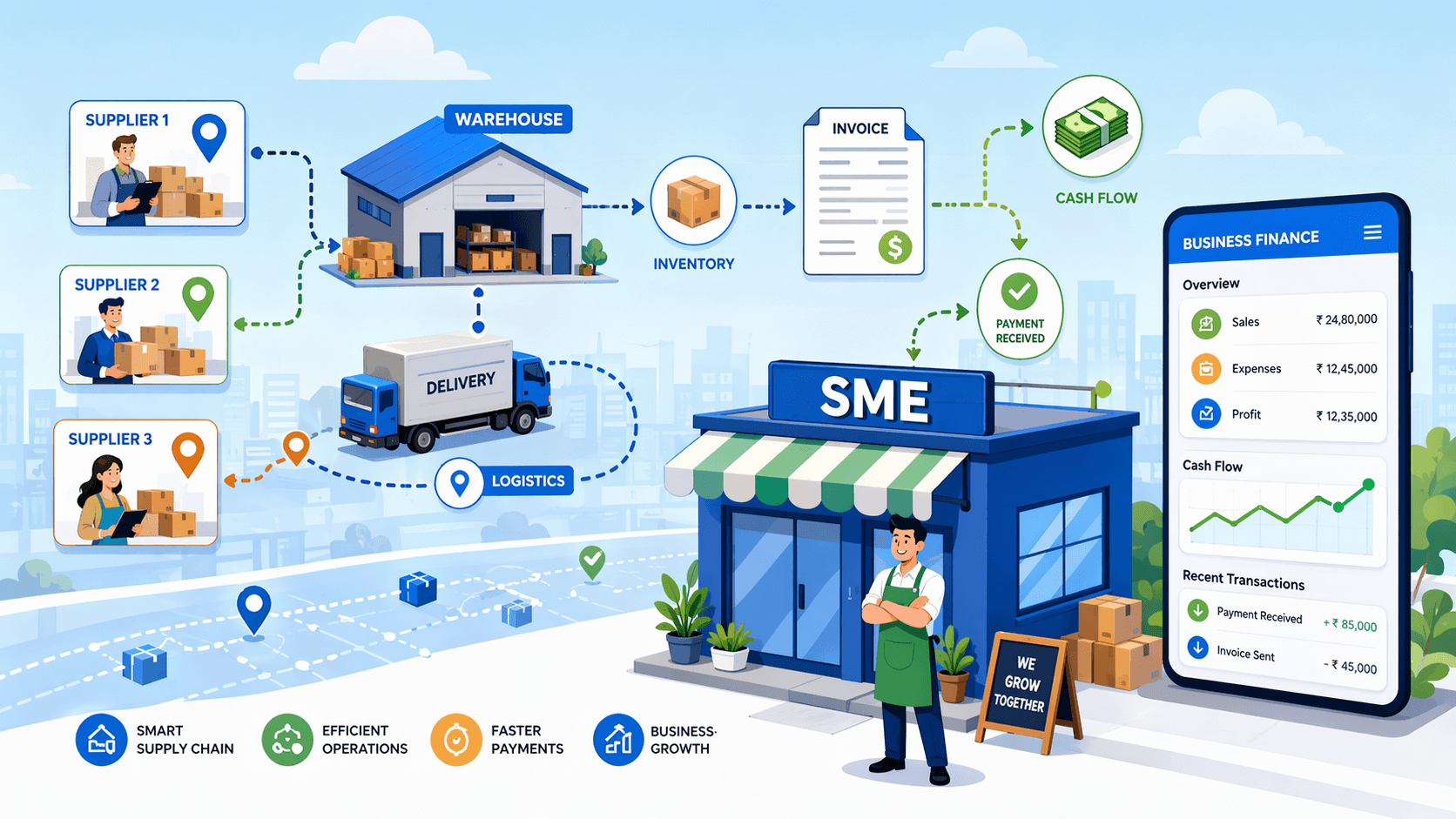
B2B buy-now-pay-later (BNPL) is growing faster than consumer BNPL for a simple reason: businesses buy to keep work moving, not to splurge. When cash flow timing gets messy, flexible payment terms can be the difference between “project continues” and “project stalls.” In consumer BNPL, the story has matured. Many shoppers already have access, default risk is front and centre, and regulators have started paying closer attention. In B2B, the baseline is different. Companies already live on payment terms like Net 30, Net 60, and Net 90. So BNPL is not introducing the idea of delayed payment. It is modernising it.…
Founding a fintech is weird because you can do everything “right” in product and still lose. Not because the model is worse, or the UI is clunky, but because the system around you has rules. The rails you run on have regulators, audits, banks, and enterprise buyers who care far more about proof than promises. For this piece, we spoke with two people who have lived the hard parts up close, from different angles. Sudhanshu Dubey is an enterprise solutions architect and delivery manager at Errna who has seen what breaks when fintech teams scale too fast. Dan Ahmadi is…
Real-world asset tokenization has been “about to happen” for years. From tokenized real estate to on-chain bonds and commodities, the promise is compelling: faster settlement, broader access, global liquidity, and lower operational cost. Yet despite pilots, proofs of concept, and a growing stack of blockchain infrastructure, mainstream adoption remains stubbornly limited. To understand why, we spoke with a Enterprise Solutions Architect who is building tokenization infrastructure for institutional use. Their perspective cuts through much of the surface-level debate and focuses on a harder problem: law, not technology. From the outside, it is easy to assume blockchains are the bottleneck. Scalability,…
Author: Charitarth Sindhu, Fractional Business & AI Workflow Consultant Fintech sounds simple from the outside. Build an app. Move money faster. Charge a small fee. Scale. In reality, fintech is one of the hardest types of startups to get right. Not because the ideas are bad, but because money is regulated, risky, and unforgiving. Before starting a fintech company, founders need to understand a few uncomfortable truths. Fintech is not “just software” Many first-time founders think fintech is like SaaS with payments added on top. It is not. The moment you touch money, you are operating in a regulated environment. Even…
Vertical SaaS used to win on workflows. The pitch was simple: replace spreadsheets, remove admin pain, standardise operations. That model still works, but founders we spoke to say it is no longer where the biggest upside sits. The centre of gravity is shifting from subscription revenue to transaction-led revenue, where payments, lending, and insurance are embedded inside the exact moment work gets done. This is not just a fintech trend. It is a vertical SaaS business model upgrade. When a platform becomes the operating system for a niche, it does not just “support” the industry. It starts to control the…
Stablecoins are often discussed as a technical upgrade to global payments. Faster settlement. Lower fees. Cleaner cross-border rails. But when we interviewed Matthew Schneider, President and CEO of Building, Inc., it became clear that this framing misses the deeper story. Schneider’s work sits at the intersection of blockchain infrastructure, geopolitics, and financial access. His perspective is shaped less by Silicon Valley optimisation and more by direct exposure to markets that operate under sanctions, capital controls, and broken banking systems. In those environments, stablecoins are not a convenience layer. They are a workaround for exclusion. We began by asking why interest…
Author: Charitarth Sindhu, Fractional Business & AI Workflow Consultant For most of fintech’s short history, AI has had a clear job: assist humans. It might flag a suspicious card payment, rank a borrower’s risk, or surface an alert for a compliance analyst. But the final call, in theory, stayed with a person. That line is blurring fast. The most important fintech trend right now is not “AI in finance” in the generic sense. It’s more specific than that. AI is moving from being a tool that recommends actions to being a system that takes actions. That sounds like a small…